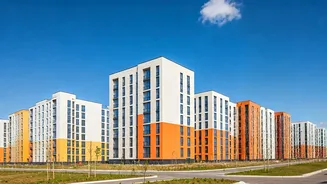








Affordable Housing Boom
The Delhi-NCR region is witnessing a surge in affordable housing projects, driven by the increasing demand for cost-effective homes. Several factors contribute to this trend, including government initiatives
promoting affordable housing and a growing middle class. These projects offer a variety of options, from apartments to plotted developments, catering to diverse needs and preferences. They're often strategically located to provide residents with easy access to essential amenities and convenient connectivity to major hubs, ensuring a balanced lifestyle. Furthermore, these developments often incorporate modern infrastructure and design elements, aimed at providing comfortable and functional living spaces. The rise of these projects signifies a shift towards making homeownership more accessible, addressing the needs of a wide range of individuals and families. This trend is set to continue as developers focus on providing quality housing options at competitive prices.
Location Advantage Matters
When considering budget-friendly housing, location plays a critical role. Many upcoming projects are strategically located in areas that offer both affordability and accessibility. These areas often have well-developed infrastructure and are well-connected to Delhi and other parts of the NCR. Examples include locations near upcoming metro lines, major highways, and commercial centers. The projects often prioritize proximity to essential services like schools, hospitals, and shopping complexes, making daily life more convenient. Furthermore, these locations frequently boast good potential for future appreciation in property value, making them attractive investments. The choice of location often reflects a balance between affordability, convenience, and long-term investment prospects, catering to the needs of modern homebuyers. The emphasis on connectivity ensures that residents can easily commute to work and access essential services, enhancing their overall quality of life.
Key Project Highlights
Each affordable housing project typically offers unique features designed to attract homebuyers. These may include various unit sizes, from compact apartments for singles to larger units for families, accommodating different budget levels. Many projects incorporate modern amenities like clubhouses, swimming pools, gyms, and landscaped gardens, providing residents with recreational options. Furthermore, smart home features, such as integrated security systems and energy-efficient appliances, are often integrated to enhance convenience and sustainability. These projects also prioritize open spaces, including parks and play areas, fostering a community-centric environment. Some developers focus on eco-friendly designs, incorporating features like rainwater harvesting and solar panels, to reduce environmental impact. The selection of these features shows a commitment to providing a balanced living experience, combining comfort, convenience, and a sense of community for residents, creating an appealing value proposition.
Pricing and Payment Plans
Understanding the pricing and available payment plans is essential when exploring budget-friendly housing options. Projects often provide flexible payment schemes to make homeownership more accessible. These may include options like construction-linked payment plans, where payments are tied to the progress of construction, or subvention schemes, where the developer pays interest on the home loan for a certain period. The overall pricing of these projects tends to be competitive, often lower than in prime locations, making them suitable for buyers on a budget. It is important to carefully review all associated costs, including registration charges, stamp duty, and other applicable fees. Prospective homebuyers are encouraged to compare pricing across different projects, considering the amenities, location, and the reputation of the developer. Careful financial planning, and understanding of the payment terms, are crucial to ensure a smooth and manageable home-buying experience.
Developer Reputation Matters
The reputation of the developer is a crucial factor when selecting a housing project. Researching the developer's track record, experience, and past projects can provide insights into their credibility and commitment to quality. Reviewing completed projects can offer information on the construction quality, adherence to timelines, and the overall satisfaction of previous buyers. It's often helpful to check for customer reviews and testimonials, which can provide valuable perspectives on the developer's service and responsiveness. Verify the developer’s financial stability, ensuring that they have the resources to complete the project successfully. Checking for certifications and awards can also indicate the developer's commitment to quality and sustainability. Choosing a reputable developer gives buyers the assurance that their investment is safe, and that they will receive a high-quality home, creating trust and long-term peace of mind.
Legal and Regulatory Compliance
Ensuring the legal and regulatory compliance of a housing project is critical for protecting the buyer's interests. Verifying that the project has all the necessary approvals and clearances from the local authorities is essential. Confirming the project's registration under the Real Estate Regulatory Authority (RERA) provides an additional layer of protection, as RERA mandates transparency and accountability from developers. Reviewing the project's title and legal documents with a qualified legal professional is highly recommended to confirm that the land is free from encumbrances. Understanding the terms and conditions outlined in the sale agreement and other legal documents is crucial to avoid any future disputes. Buyers should also ensure that the project complies with environmental regulations, which will influence the project’s sustainability. Thoroughly reviewing the legal and regulatory aspects ensures a secure and smooth home-buying process, mitigating potential risks and ensuring that the investment is legally sound.
Home Loan Options
Exploring home loan options is a key step in financing the purchase of a budget-friendly home. Various banks and financial institutions offer competitive home loan packages, tailored to meet the needs of different buyers. Comparing interest rates, loan terms, and the eligibility criteria of different lenders can help you secure the most favorable terms. Checking for schemes like subsidized interest rates or government incentives can help reduce the overall cost of borrowing. It is useful to calculate the monthly installments (EMIs) based on the loan amount, interest rate, and the repayment tenure, to assess the affordability. Make sure you meet the lender's requirements for documentation, and credit score. It's also possible to consult with a financial advisor to get personalized guidance on the best loan options. Understanding the available home loan options and planning finances is essential for a manageable and successful home-buying journey.
Investment Potential
Investing in budget-friendly housing in Delhi-NCR can offer significant investment potential, especially in areas experiencing rapid development. Assessing the potential for property value appreciation is essential. Researching the historical trends in the location and considering factors like infrastructure developments, connectivity improvements, and the economic growth of the area, helps in making informed decisions. Identifying the potential rental yield and demand in the area can provide valuable insight into the investment's return prospects. Evaluating the long-term prospects of the project and the developer's credibility helps determine the investment's sustainability. The ability to monitor market trends and assess the area's ongoing development is important. Investing in budget-friendly housing, with due diligence and strategic planning, allows for promising returns and long-term wealth creation. Careful research and understanding the market dynamics can help maximize the investment potential.
Comparing Project Choices
When choosing from among budget-friendly housing projects, comparing different options is crucial to make the best decision. Evaluating the features, amenities, and the location of different projects is important. Compare the pricing, payment plans, and additional costs associated with each project. Assessing the track record of the developers, the construction quality, and the customer reviews for each project will help assess the project’s reputation. Consider the convenience of location, proximity to essential services, and accessibility to major transport links. Compare the potential for property value appreciation, rental yields, and investment returns for each project. Prioritizing individual needs and preferences helps narrow down the choices and identify the projects that match your requirements. Comparing projects based on multiple factors can ensure you select a home that is an ideal fit, providing a combination of affordability, comfort, and investment potential.
Final Considerations
Making the final decision requires considering various factors and making informed choices. Evaluate the financial aspects, including the purchase price, the payment plans, and the available home loan options. Review the developer's reputation, construction quality, and project delivery timelines. Consider the location, connectivity, and proximity to essential services, along with the investment potential. Prioritize the specific needs, preferences, and lifestyle of the prospective buyers, which are critical to finding the right home. Take time to inspect the project site, review the floor plans, and evaluate the amenities. Consulting with experts, like real estate agents, financial advisors, and legal professionals, provides additional guidance and support. The final selection should be one that balances affordability, comfort, and potential investment returns, leading to a successful and fulfilling home-buying experience. With meticulous consideration and thorough analysis, prospective buyers can secure a home that aligns with their financial goals and personal preferences.