






Unexpected UV Surge
Even before the traditional heatwave season takes hold, parts of southern India are experiencing an unseasonable surge in ultraviolet (UV) radiation levels. Bengaluru, despite registering a moderate maximum
temperature of 32°C recently, saw its afternoon UV Index skyrocket to 13, a level classified as 'extreme' by the World Health Organization. This rapid escalation, a jump from 10 to 13 in less than two days, has experts more worried than the temperature itself. The intensity of UV radiation is significantly impacted by the Earth's ozone layer, which typically acts as a natural shield by absorbing a substantial portion of the sun's harmful rays.
Kerala's Radiation Warning
Authorities in Kerala have echoed these concerns, with the State Disaster Management Authority (KSDMA) issuing an official ultraviolet radiation alert. Several districts within Kerala have recorded high UV Index values, with Konni, Chengannur, and Munnar reporting a UVI of 8. Areas like Kottarakkara, Changanassery, Ollur, Thrithala, and Mananthavady registered a UVI of 7. Previously, districts such as Kollam, Pathanamthitta, Alappuzha, Kozhikode, and Palakkad had also noted a UV index of seven, with Idukki reaching eight. KSDMA has cautioned that prolonged exposure to such high UV levels can lead to a range of health issues, including sunburn, skin ailments, and eye damage. The most potent UV radiation is generally observed between 10 AM and 3 PM.
Essential UV Precautions
To mitigate the risks associated with high UV radiation, it's crucial to adopt protective measures. Experts advise avoiding direct sunlight between 11 AM and 3 PM, the period of peak UV intensity. Applying sunscreen with an SPF of 30 or higher is recommended, with reapplication every 2-3 hours when outdoors. Protective clothing, such as long-sleeved shirts, caps, or wide-brimmed hats, offers a physical barrier. Essential for eye protection are sunglasses that specifically block UV rays. Staying adequately hydrated by drinking plenty of water and other fluids is also vital. Seeking shade whenever possible, particularly during the afternoon, can significantly reduce exposure. Limiting strenuous outdoor activities like work or exercise during these high-UV periods is also advised. It's important to be vigilant for signs of sunburn, dizziness, dehydration, or heat exhaustion and to seek rest immediately if they occur.
Understanding UV Risks
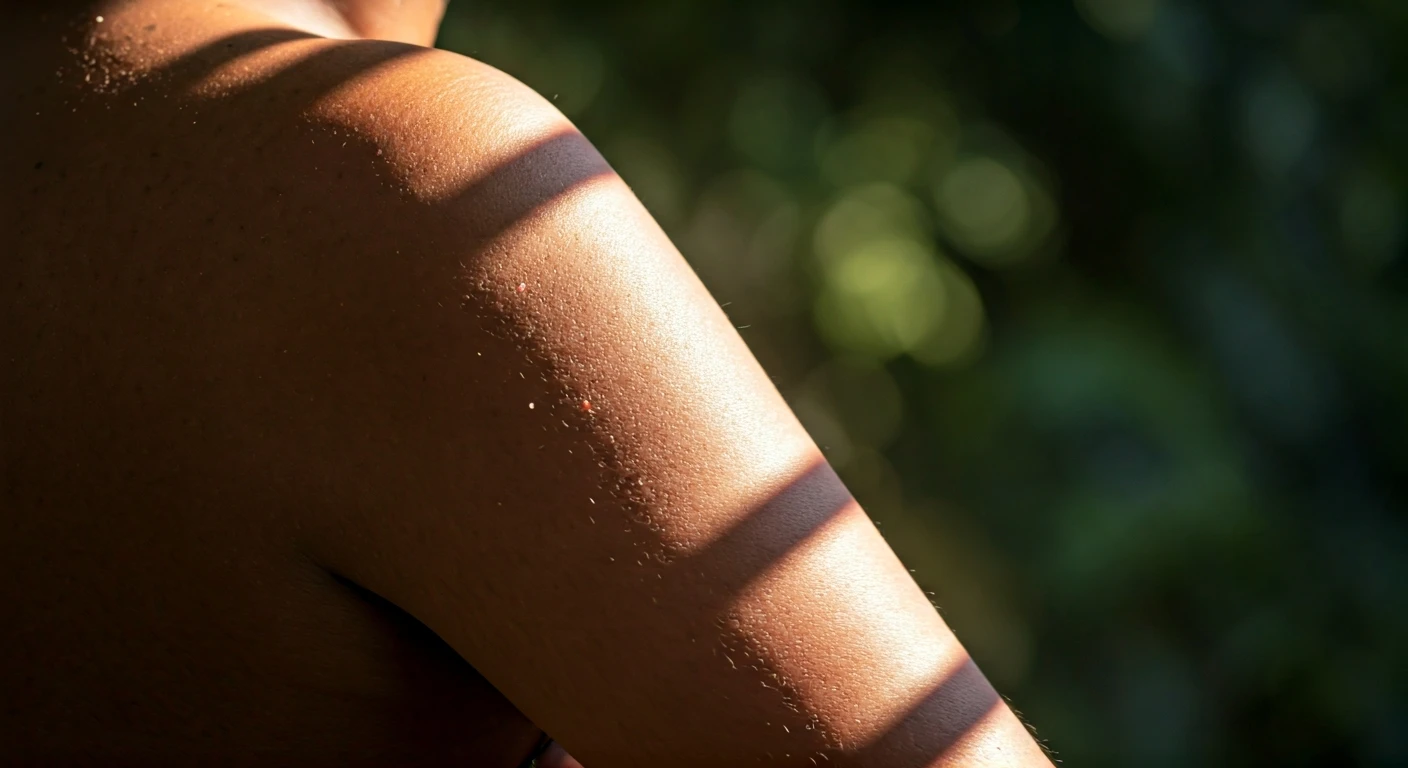
The dangers of excessive UV radiation exposure are multifaceted and can manifest in both short-term and long-term health consequences. Even brief periods in direct sunlight can result in sunburn and skin irritation. Over time, persistent exposure contributes to premature skin aging, characterized by wrinkles and uneven pigmentation. The eyes are also vulnerable, with potential for irritation and more serious, long-term vision problems. Perhaps the most significant concern is the elevated risk of developing skin cancer with prolonged or repeated unprotected exposure. Furthermore, intense sun exposure can exacerbate dehydration, and in severe cases, lead to heat exhaustion or even heatstroke, particularly affecting outdoor workers and vulnerable populations.