



Understanding the Vacuum Belly
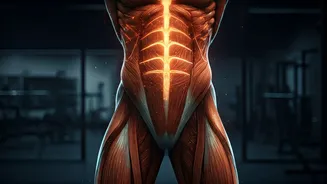
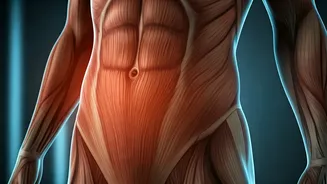
The 'vacuum belly' exercise, also known as a 'stomach vacuum,' is a deep core strengthening technique primarily involving breath control. It requires a full exhalation, followed by drawing the abdomen
inward towards the spine and holding this contracted state. The main goal is to activate the transverse abdominis, a fundamental muscle that wraps around the midsection like a natural corset, contributing to core stability and a toned appearance. While this method has been utilized for years by fitness enthusiasts, particularly in disciplines like bodybuilding and yoga, its effectiveness and safety are now under scrutiny, especially when performed without proper understanding or guidance. Achieving the desired effect demands considerable control over breathing and a keen awareness of one's abdominal muscles.
Viral Performance Sparks Concern
Ella Chen's recent live performance where she visibly pulled her abdomen inward for approximately ten seconds, causing her ribs to become prominently defined, captivated and alarmed the audience. The striking visual resulted in a surge of online discussion, with reactions ranging from admiration for her apparent physical control to significant unease. The intensity of the demonstration moved beyond typical fitness demonstrations, prompting many to question the potential implications of such a display becoming a widespread trend. Celebrities often inadvertently set benchmarks, and when a visually dramatic exercise like this goes viral, it can rapidly influence public perception and practice, sometimes without adequate consideration for individual safety.
Doctor's Warnings Issued
Medical professionals have voiced serious concerns regarding the popularization of the 'vacuum belly' trend, urging the public to exercise caution and avoid blindly imitating the exercise. The potential risks, though not immediately apparent, are significant. Holding one's breath while simultaneously contracting the abdominal muscles can disrupt normal oxygen flow, potentially leading to symptoms like dizziness or headaches, especially for individuals new to such techniques. Furthermore, experts warn that consistent or improper execution of this exercise can lead to an increase in intra-abdominal pressure. This heightened pressure could, in some vulnerable individuals, exacerbate or contribute to existing conditions such as hernias or put undue strain on the pelvic floor muscles.
Who Should Avoid This
The 'vacuum belly' exercise is not universally suitable, and certain individuals are strongly advised to refrain from attempting it or to do so only under strict medical supervision. Postpartum women, whose abdominal and pelvic floor muscles are still in a recovery phase, face a heightened risk of complications. Those who suffer from existing lower back issues, particularly involving the lumbar spine, may find this exercise detrimental as it can increase pressure on already compromised areas. Additionally, individuals diagnosed with high blood pressure or any form of respiratory condition must be particularly cautious, as the practice of breath-holding can pose considerable risks to their health. This exercise demands a healthy respiratory and cardiovascular system.
Fat Loss Misconceptions
A common misconception surrounding the 'vacuum belly' exercise is its supposed ability to directly reduce body fat. In reality, this technique does not burn fat through caloric expenditure. Its primary benefit lies in strengthening the deep abdominal muscles, specifically the transverse abdominis, which can contribute to improved posture and a more flattened abdominal appearance over time. However, achieving significant visible fat loss is a complex process that depends on a holistic approach. Factors such as consistent healthy eating habits, regular physical activity, adequate sleep, and overall lifestyle choices play a far more crucial role in shedding excess weight than any single isolated exercise.
Fitness vs. Appearance Focus
The widespread reaction to Ella Chen's viral performance highlights a broader societal issue: the tendency for fitness trends to become intertwined with unattainable beauty standards. The idealization of a perfectly flat stomach often overshadows the true meaning of health, which encompasses strength, energy levels, and overall well-being. This incident serves as a timely reminder that while an exercise might look impressive or be aesthetically appealing, its safety and necessity should be the paramount considerations. It encourages a shift in focus from purely cosmetic outcomes to a more balanced and health-centric perspective on physical fitness, emphasizing that what looks good isn't always what's good for you.