




A Ramadan Revival
During the holy month of Ramzan, Zakaria Street in Kolkata, adjacent to Rabindra Sarani, transforms into a hub of activity, drawing significant crowds not only for its iconic landmarks and tantalizing
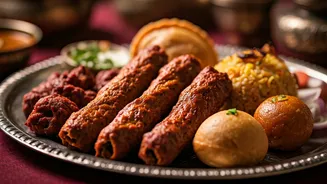
food stalls but also for the increasingly popular heritage walks that have become a seasonal fixture. These guided tours are thoughtfully organized around sehri, the pre-dawn meal, and iftar, the breaking of the fast, uniting food enthusiasts, history buffs, and newcomers into a shared cultural exploration. This year, the trend has seen a notable surge, with organizers from various cities leading heritage walks through this historic pocket. These community-driven explorations provide participants an intimate look into the traditional culinary offerings and the intricate social and cultural fabric of this bustling Ramzan destination in central Kolkata, offering an experience that goes beyond mere sightseeing.
Beyond a Food Tour
For many, like 29-year-old Aritra Sen from South Kolkata, visiting Zakaria Street during Ramzan transcends a simple food walk. He describes the entire neighborhood as undergoing a remarkable change, presenting a multifaceted experience encompassing food, history, and engaging conversations, catering to a diverse range of interests. Sen notes the unique rhythm of the place, a characteristic he has come to appreciate over his five-year annual visits. His participation in a recent heritage walk underscored this sentiment, highlighting the area's ability to offer a holistic cultural immersion. The allure lies not just in the seasonal delicacies but in the palpable historical narrative and the vibrant community spirit that permeates the street during this auspicious period, making each visit a discovery.
Cultural Immersion Highlights
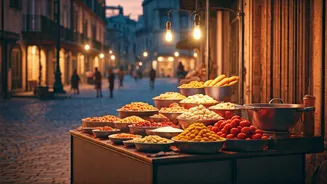
Central to the appeal of these heritage routes are the district's most celebrated features: the majestic Nakhoda Mosque, a collection of ittar (perfume) shops exuding traditional fragrances, bakeries crafting beloved seasonal delights, and numerous stalls laden with traditional sweets and vermicelli, essential to Ramzan feasts. Many visitors find immense pleasure in simply absorbing the vibrant atmosphere, navigating the crowded lanes, observing families engaged in late-night shopping, or sharing a moment of camaraderie by breaking bread with devotees within the sacred confines of the Nakhoda Mosque. This immersive experience allows for a deeper connection with the local culture and traditions, making it more than just a tourist excursion but a genuine engagement with the spirit of Ramzan.
Fostering Social Exchange
For others, the profound attraction of these walks lies in the significant social exchange they foster. Nandita Roy, a postgraduate student who joined an iftar walk recently, shared her motivation: 'I came with friends because we wanted to experience the area and learn more.' She recounted how the walk leader eloquently discussed the nuances of fasting, the enduring traditions, and the spiritual significance of the month. Roy emphasized that the experience felt more like a genuine sharing of space and understanding rather than a typical tourist engagement. This sentiment highlights the walks' success in creating an environment of mutual respect and learning, bridging gaps and fostering a sense of community among participants from varied backgrounds.
A Growing Phenomenon
Walk organizers observe a consistent and escalating interest in these heritage excursions. Sohail Khan, a heritage walk curator who led evening groups this season, characterizes Zakaria Street during Ramzan as 'a living cultural corridor,' rather than merely a food destination. He explains that attendees are keen to delve into the history of the Nakhoda Mosque, understand the area's historical trading connections, explore the seasonal food culture, and grasp the underlying spirit of the holy month. Khan notes the participation of individuals from a wide spectrum of backgrounds, which he believes significantly enriches the overall experience for everyone involved, reinforcing the idea of shared heritage and understanding.
Local Endorsement
The local community has warmly embraced this burgeoning trend. Mohammed Aslam, proprietor of an ittar shop on Rabindra Sarani, expresses his strong approval, stating, 'This is a very good trend.' He believes these walks are instrumental in helping people understand each other's cultures and initiating conversations that are often absent in the routines of daily life. This positive reception from local business owners and residents underscores the cultural and social benefits of transforming the Zakaria Street Ramzan Bazaar into a recognized heritage walk zone, promoting a deeper appreciation and connection between visitors and the local community.