





Pantanal's Immensity
The Pantanal, the world's largest tropical wetland, spans across Brazil, Bolivia, and Paraguay. During the wet season, the area floods, creating a massive, vibrant ecosystem. It's home to an extraordinary
array of wildlife, including jaguars, caimans, capybaras, and over 650 bird species. The Pantanal’s biodiversity is unparalleled, acting as a crucial carbon sink and flood regulator. Conservation is a key challenge, with threats from cattle ranching, agriculture, and climate change. Protecting this immense wetland is critical for maintaining global biodiversity and ecological balance, making it a priority for international conservation efforts. The area's size contributes significantly to its importance; it’s an extensive web of interconnected waterways and flooded grasslands. Ongoing research and monitoring programs help to understand its intricate ecological dynamics and to develop effective conservation strategies.
Okavango's Oasis
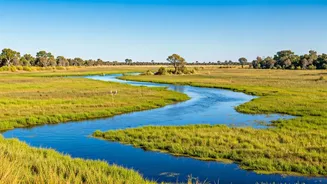
The Okavango Delta, located in Botswana, is a unique inland delta that supports a rich diversity of life in the heart of the Kalahari Desert. Each year, floodwaters from the Angolan highlands spread across the delta, creating a lush oasis that attracts an abundance of wildlife. This includes elephants, lions, cheetahs, and numerous bird species. The Okavango Delta is a UNESCO World Heritage site, underscoring its global significance. It's vital to the local communities, providing water and economic opportunities through tourism. Conservation efforts focus on managing water resources sustainably, combating poaching, and supporting eco-tourism to balance ecological protection with human needs. This ecosystem's seasonal flooding creates a dynamic environment that supports a wide range of flora and fauna, making it a crucial component of African wildlife conservation strategies.
Amazon's Vitality
The Amazon Basin, encompassing the vast Amazon River and its surrounding wetlands, is home to the world's largest rainforest and a significant wetland ecosystem. This region supports an incredible array of biodiversity, including thousands of plant and animal species, many of which are found nowhere else. The Amazon's wetlands are crucial for regulating global climate patterns, acting as a major carbon sink. They also provide essential ecosystem services, like water purification and flood control. The greatest threats include deforestation, driven by agriculture and logging, and climate change. Conservation initiatives involve supporting indigenous communities, promoting sustainable forestry, and implementing protected areas. The Amazon's wetlands are integral to the health of the planet and require concerted efforts to protect them from environmental degradation.
Sundarbans' Majesty
The Sundarbans, a mangrove forest located in the Ganges-Brahmaputra Delta in India and Bangladesh, is the largest mangrove forest globally. It is home to the iconic Bengal tiger, along with a variety of other wildlife, and is a vital breeding ground for numerous marine species. The Sundarbans play a crucial role in coastal protection, buffering against cyclones and erosion. This unique ecosystem faces significant threats, including rising sea levels, deforestation, and pollution. Conservation efforts involve mangrove reforestation, sustainable fishing practices, and combating poaching. The Sundarbans' intricate network of waterways and dense mangrove forests create a unique habitat that requires continuous and coordinated conservation strategies to preserve its ecological integrity.
Everglades' Ecosystem
The Everglades, a vast subtropical wetland in Florida, is a unique ecosystem known as the 'River of Grass'. This slow-moving sheet of water supports a diverse range of species, including alligators, crocodiles, wading birds, and manatees. The Everglades is a critical source of freshwater for the region, acting as a natural filter and providing flood control. Its ecological integrity has been significantly impacted by human activities, including drainage and agricultural runoff. Restoration efforts focus on restoring water flow, controlling invasive species, and improving water quality. The Everglades' interconnectedness makes its preservation critical for maintaining biodiversity and providing essential ecosystem services. The success of the restoration efforts will influence the future sustainability of this national treasure.
Mekong's Importance
The Mekong River Delta, located in Southeast Asia, is a fertile wetland formed by the Mekong River. It is a critical agricultural region, supporting millions of people through rice cultivation and fishing. The delta is home to a rich diversity of plants and animals, including several endangered species. The Mekong's wetlands are essential for supporting local livelihoods and maintaining biodiversity. They face threats from dam construction, unsustainable fishing practices, and climate change. Conservation efforts center on sustainable resource management, promoting responsible agricultural practices, and combating habitat loss. Protecting the Mekong Delta is vital for both ecological preservation and the economic well-being of the region. Integrated management strategies and regional cooperation are crucial for the long-term sustainability of the area.
Danube's Realm
The Danube Delta, in Romania and Ukraine, is a vast wetland at the mouth of the Danube River. It supports diverse flora and fauna, including over 300 bird species. The Danube Delta is a UNESCO World Heritage site, celebrated for its natural beauty and ecological significance. It's a key breeding ground and migration stopover for migratory birds. Conservation challenges include habitat loss due to development, pollution, and climate change. Ongoing efforts focus on managing water resources, controlling invasive species, and preserving traditional fishing practices. The Danube Delta exemplifies the importance of international cooperation in protecting transboundary ecosystems, highlighting the need to balance environmental preservation with sustainable human development. Protecting this area safeguards its rich biodiversity and scenic landscapes.
Camargue's Beauty
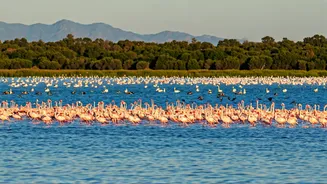
The Camargue, in southern France, is a vast river delta where the Rhône River meets the Mediterranean Sea. It's known for its unique landscapes, including salt marshes, lagoons, and rice paddies. The Camargue is a haven for migratory birds, including flamingos, and is home to the Camargue horse and bull. Conservation efforts are directed at managing water resources, preserving traditional land use practices, and controlling tourism. The Camargue provides critical habitat for numerous species and supports the local economy through agriculture and tourism. Challenges include rising sea levels, agricultural intensification, and climate change. Sustainable land management practices are essential to balance biodiversity protection and economic viability. Collaborative management is important to maintain the ecological integrity of this unique Mediterranean wetland.
Florida's Wetlands
Florida's wetlands extend beyond the Everglades and include numerous other significant ecosystems such as coastal marshes, mangrove forests, and freshwater swamps. These areas provide habitat for diverse wildlife, including manatees, alligators, and various bird species. Florida's wetlands provide critical ecosystem services, including water filtration, flood control, and shoreline protection. They face challenges from development, pollution, and climate change. Conservation efforts involve habitat restoration, water quality improvements, and the control of invasive species. The preservation of Florida's diverse wetlands is essential for protecting its natural heritage and providing ecosystem benefits. Managing water resources, controlling pollution, and protecting these areas' natural beauty is vital for their long-term preservation.
Caspian Sea's Deltas
The deltas of the Volga and Ural Rivers, which flow into the Caspian Sea, create extensive wetlands that support diverse wildlife. These wetlands are important breeding grounds for various fish species, as well as a habitat for migrating birds. The Caspian Sea's deltas are vital to both the regional and global ecology. Environmental challenges include pollution from industrial activities, habitat loss due to agricultural expansion, and the impact of invasive species. Conservation efforts focus on pollution control, sustainable fisheries management, and habitat restoration projects. Protecting these wetlands is essential for maintaining the ecological balance of the Caspian Sea and the livelihoods of those who depend on its resources. International cooperation is a key factor in addressing the complex environmental issues faced by these valuable ecosystems.