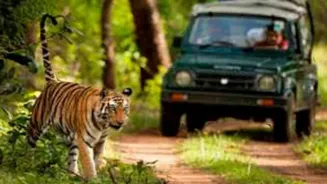








Prime Tiger Habitats
Embarking on a tiger safari in North Indian national parks means choosing the right gate is crucial for maximizing your chances of seeing these majestic creatures. Several gates within these parks have
gained a reputation for their high tiger sighting rates. The five selected locations, each offering a unique entry point into tiger territory, are known for their favorable habitats and the expertise of local guides and trackers, all of which contribute to a more rewarding wildlife viewing experience. The specific gates often provide diverse landscapes, from dense forests to open grasslands, which help in increasing the likelihood of encountering tigers and other wildlife, providing a more enriched and complete safari experience.
Gate 1: Enhanced Viewing
One of the key gates known for its frequent tiger sightings often benefits from its strategic location within the park. This particular gate provides access to areas where tigers are regularly spotted, offering visitors a higher probability of viewing these elusive animals. The landscape around this gate is conducive to tiger activity, with abundant prey and suitable cover, allowing tigers to thrive and move around easily. This environment, coupled with experienced guides who have in-depth knowledge of tiger behavior and movement patterns, significantly enhances the chances of spotting a tiger. Furthermore, the gate's management typically invests in conservation efforts, including anti-poaching measures and habitat preservation, thus ensuring the wellbeing of the tiger population and enriching the overall visitor experience.
Gate 2: Ideal Conditions
Another prominent gate to consider is often recognized for its ideal conditions for tiger sightings. Its terrain supports tiger activity and provides ample opportunities for viewing these magnificent creatures. This gate's location within the national park often includes varied landscapes like grassy plains and dense forests. These features help in the observation of tiger behavior. Park authorities at this gate regularly monitor tiger movements, enhancing the efficiency of the safari experience. Skilled naturalists, well-versed in tiger habits and signs, guide visitors, boosting their chances of seeing tigers. The infrastructure at this gate is often well-maintained, ensuring a smooth and comfortable safari, thereby adding to the overall experience and providing a memorable adventure for wildlife enthusiasts.
Gate 3: Diverse Terrain
A further key gate, often noted for its diverse terrain, provides several opportunities for tiger spotting. The varied topography, comprising dense forests and expansive grasslands, supports a wide array of wildlife, with the tiger as the apex predator, enhancing sighting potential. The park rangers at this gate often conduct regular patrols to monitor tiger activity and prevent any disturbance. The presence of water sources, such as streams and watering holes, is another factor, as tigers frequently visit these areas. This gate's popularity is also due to the guides, who possess extensive knowledge of the local wildlife and their behavior. Their experience allows them to lead visitors to the best locations, contributing significantly to an unforgettable tiger safari experience. Additionally, habitat conservation efforts have also greatly benefited the tiger population around this gate.
Gate 4: Strategic Location
This specific gate is often preferred because of its strategic location. Positioned within an area known for tiger activity, the gate is a favorite among wildlife enthusiasts and experienced trackers. The surrounding habitat offers excellent conditions for tigers, with abundant prey and dense vegetation. These environments are perfect for the tigers. The gate's management often employs sophisticated tracking technologies and wildlife monitoring programs, which boost the success rates for tiger sightings. Moreover, the guides leading safaris here have years of experience, adding to the success rate. The local communities collaborate on conservation efforts, thus providing sustainable conditions for wildlife and providing valuable experiences to visitors. This approach not only aids in observing tigers but also fosters a deeper appreciation for their habitat.
Gate 5: Conservation Focus
The final gate, recognized for its strong focus on conservation, is a noteworthy option. The dedication of this gate to preserving the natural habitat and tiger population has made it a prime location for sightings. Regular anti-poaching patrols, combined with habitat restoration projects, create a safe and favorable environment for tigers to thrive. These efforts are often paired with a continuous research program and monitoring of tiger movements. Safaris that depart from this gate are typically led by knowledgeable guides, who have a deep understanding of tiger behavior. Their expertise and the gate's conservation approach not only improve the chances of seeing tigers but also promote ecological responsibility, thus offering an educational and enriching experience for wildlife enthusiasts. The emphasis on sustainability ensures that future generations can also witness these amazing creatures.