
Introduction to Gates
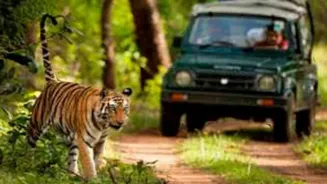
Embarking on a tiger safari demands careful planning, and selecting the right gate is crucial for a rewarding experience. The various gates into the national parks often dictate the wildlife you're likely
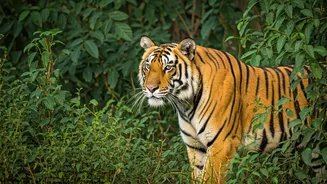
to encounter. Factors like tiger density, habitat, and past sighting records influence the chances of seeing a tiger. This article focuses on five such gates in North Indian national parks, renowned for their higher tiger sighting probabilities. These gates offer diverse landscapes, from dense forests to open grasslands, each presenting unique opportunities for wildlife viewing. Understanding the specifics of each gate is essential for a well-prepared and fulfilling safari.
Kanha National Park
Kanha National Park, located in Madhya Pradesh, is a prime destination for tiger sightings, and its various gates contribute to the park's success in tiger conservation. The Kisli gate is one of the most popular access points. It is known for its high tiger sighting frequency and offers access to areas with dense tiger populations. Another gate, Mukki, is equally popular as it has the same high probability of spotting a tiger. Both gates offer access to a variety of terrains, enhancing the safari experience. Tourists often find that the chances of tiger sightings are significantly higher in these zones compared to others, thanks to the park’s commitment to wildlife preservation and habitat management.
Bandhavgarh National Park
Bandhavgarh National Park, also in Madhya Pradesh, is recognized for its high tiger density and provides excellent opportunities for tiger sightings. The Tala gate is a significant entry point for safaris, and is particularly noted for a high rate of tiger encounters. It leads into areas that are actively monitored and managed to promote tiger activity and visibility. The Magadhi gate provides another accessible route into prime tiger territory. It offers a slightly different terrain and might present a different perspective on tiger behavior. Both gates provide access to key habitats where tigers are frequently observed, making Bandhavgarh a top choice for wildlife enthusiasts hoping to see tigers.
Ranthambore National Park
Ranthambore National Park, in Rajasthan, is famous for its tigers and the historic Ranthambore Fort. The various gates into the park play a crucial role in managing the flow of tourists and distributing the impact on wildlife. The entry gate, known as Zone 1, is often favored for its higher chances of tiger sightings. This zone offers a blend of varied landscapes including dense forests, making it an excellent habitat for tigers. However, the other gates, Zones 2, 3, 4, 5 and 6, also provide good chances to see tigers. Each zone has its unique charm and is a prime spot for spotting a tiger. These gates provide access to specific areas that are monitored for tiger activity. Visitors may enhance their overall safari experiences by exploring different zones through these gates.
Corbett National Park
Corbett National Park in Uttarakhand, is India's oldest national park and is celebrated for its tiger population. There are several gates that facilitate access into the park, providing various opportunities for tiger sightings. The Dhikala gate is very famous as it is one of the primary entry points and leads into areas with excellent tiger sightings. Bijrani gate is another popular option and is renowned for its diverse wildlife and rich forest. The Dhangarhi gate offers access to unique landscapes and also has a good track record of tiger sightings. Each gate provides an entrance into tiger-rich regions. Visitors can expect to explore diverse environments and increase their probability of seeing a tiger by entering through these gates.