




Chaitra Navratri: A New Dawn
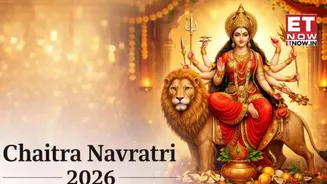
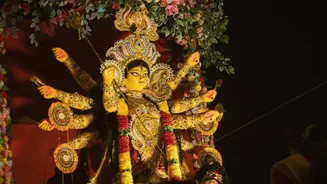
Chaitra Navratri, also known as Vasanta Navratri, ushers in the Hindu New Year, a period dedicated to Goddess Durga, symbolizing fresh starts and inner fortitude. This auspicious festival, observed in March-April,
involves days of fasting, prayer, and lively traditional dances, culminating in the celebration of Rama Navami. It is a time deeply focused on spiritual development and strengthening community bonds, with a unique color designated for each of the nine days to honor the various manifestations of the Navadurga. This festival serves as a spiritual awakening, blending devotion with communal joy, and is believed to amplify positive karma, making it an ideal period for spiritual practices and fostering family connections. It serves as a reminder of ancient narratives where goodness ultimately triumphs over chaos, reinforcing the belief in life's cyclical nature and the enduring power of light and positivity.
Navratri Dates and Ghatasthapana
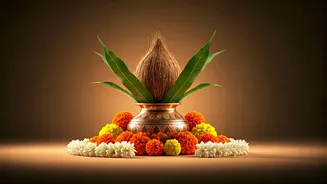
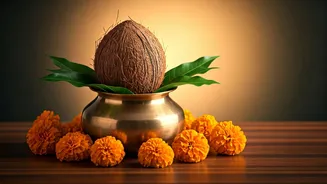
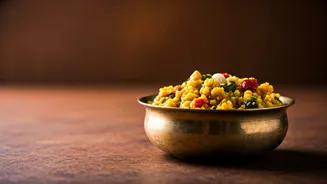
In 2026, Chaitra Navratri commences on Thursday, March 19th, and concludes on Friday, March 27th. The crucial ritual of Ghatasthapana, marking the beginning of the festivities, is scheduled for Pratipada tithi on March 19th. The auspicious timing for Ghatasthapana Muhurat is a brief window, spanning from 06:52 AM to 07:43 AM, offering approximately 50 minutes for devotees to perform this sacred act. This ritual involves the purification of the home, the sowing of barley seeds, and the installation of a Kalash, accompanied by the chanting of specific mantras. Throughout the nine days, devotees typically wake early, observe fasts that may include fruits and milk, recite the Durga Saptashati, and perform aarti. Those undertaking a full fast from Ghatasthapana to Navami are advised to abstain from grains, onions, and garlic, with permitted foods including fruits and items like buckwheat and yam. The fast is usually broken on Navami or Ram Navami.
The Sacred Nine Colors
The tradition of adorning oneself in specific colors each day during Navratri is deeply rooted in Vedic customs and is believed to align wearers with the energies of the nine forms of the goddess, known as the Navadurga, thereby inviting their blessings. Each color is thought to resonate with particular chakras and astrological influences, amplifying spiritual devotion and well-being. These colors are not merely aesthetic choices but are considered potent tools for channeling divine grace and fostering personal growth throughout the festival. By consciously selecting attire in these designated hues, devotees aim to enhance their connection with the divine feminine energy and invoke specific qualities associated with each goddess.
Day 1: Yellow for Maa Shailputri
The first day of Navratri is dedicated to Maa Shailputri, the daughter of the mountains. The color yellow, vibrant and cheerful like the first light of dawn, symbolizes her pure energy and inherent strength. This bright hue is associated with the solar plexus chakra, believed to boost confidence and invigorate the spirit, making it an ideal shade for embarking on new beginnings. Dressing in yellow on this day is thought to invite Maa Shailputri's protective blessings and instill a sense of vitality, particularly during the foundational ritual of Ghatasthapana.
Day 2: Green for Maa Brahmacharini
On the second day, the focus shifts to Maa Brahmacharini, revered for her austere devotion and often depicted holding a Jap mala and kamandal. The color green, representing nature's constant renewal and growth, perfectly mirrors her disciplined spiritual journey. This refreshing color is linked to the heart chakra, fostering feelings of love, compassion, and emotional balance. Wearing green is believed to invoke Maa Brahmacharini's grace, encouraging steady progress in one's spiritual endeavors and cultivating a deep sense of inner peace.
Day 3: Grey for Maa Chandraghanta
The third day honors Maa Chandraghanta, an embodiment of calm courage and strength, marked by the crescent moon on her forehead and adorned with a bell. The color grey, a neutral and soothing shade, reflects her serene demeanor even amidst conflict. This color is associated with the throat chakra, promoting clear communication and fostering harmony in interactions. Adorning oneself in grey is intended to invoke Maa Chandraghanta's bravery and her ability to bring about peaceful resolutions to challenges.
Day 4: Orange for Maa Kushmanda
Day four celebrates Maa Kushmanda, the goddess who is said to have created the universe from her divine smile, residing within the sun to emanate energy. The vibrant hue of orange, reminiscent of ripened fruits and the warmth of the sun, radiates prosperity and creativity. This energetic color is associated with the sacral chakra, stimulating joy and imaginative thought. Wearing orange is a way to invite Maa Kushmanda's blessings for abundance, good health, and the nurturing energy of the cosmos.
Day 5: White for Maa Skandamata
On the fifth day, pure white is worn in reverence of Maa Skandamata, the mother of Lord Kartikeya, who is depicted seated on a lion. White signifies her profound wisdom, unwavering purity, and the path to spiritual liberation. This color is believed to cleanse and awaken the crown chakra, enhancing spiritual clarity and insight. Clad in white, devotees seek Maa Skandamata's divine guidance, protection, and elevation towards ultimate truth.
Day 6: Red for Maa Katyayani
The sixth day calls for the bold and passionate color red, honoring Maa Katyayani, a formidable warrior goddess known for vanquishing ego and evil. Red embodies her fiery spirit, profound love, and unwavering commitment to justice. This powerful color is linked to the root chakra, providing a sense of grounding and stability. Wearing red is a means to channel her immense strength, resolve inner conflicts, and attract harmonious relationships into one's life.
Day 7: Royal Blue for Maa Kaalratri
For the seventh day, royal blue is chosen to pay homage to Maa Kaalratri, the fierce aspect of the divine who dispels darkness, fear, and evil. This deep, serene color, akin to the midnight sky, symbolizes her protective shield and her calming influence. Royal blue is associated with the third eye chakra, sharpening intuition and inner vision. Clothed in this regal hue, devotees aim to banish negativity and embrace Maa Kaalratri's fearless and tranquil presence.
Day 8: Pink for Maa Mahagauri
The eighth day is dedicated to the gentle and radiant Maa Mahagauri, the goddess of peace and purity, represented by the soft hue of pink. This color, delicate and soothing like blooming roses, signifies compassion and serenity. It is believed to fully open and harmonize the heart chakra. Wearing pink, especially during the Kanya Pujan ceremony, is a way to seek Maa Mahagauri's blessings for forgiveness, marital bliss, and her pure, comforting grace.
Day 9: Purple for Maa Siddhidatri
The final day, the ninth, is celebrated with the mystical color purple, honoring Maa Siddhidatri, the bestower of supernatural powers and ultimate success. This regal and profound color symbolizes spiritual enlightenment and the attainment of one's goals. Purple is thought to stimulate the crown chakra, opening the mind to higher wisdom. By adorning in purple, devotees conclude Navratri by inviting Maa Siddhidatri's blessings for victory, fulfillment, and divine perfection in all endeavors.