






A Preventable Tragedy
In a deeply distressing event that has cast a shadow over Ahmedabad, two young lives were tragically cut short after a family consumed dosa prepared from store-bought fermented batter. The incident began
with the entire family experiencing severe bouts of vomiting, a grim precursor to the fatalities that followed. While the parents continue to receive medical care, authorities have swiftly moved to collect samples of the suspect batter from the vendor for thorough forensic examination, aiming to understand the exact cause of this devastating suspected food poisoning. This event serves as a harrowing reminder of the critical importance of food safety, particularly with products that undergo fermentation.
Understanding 'Khiru'
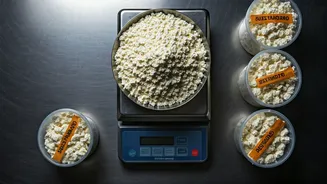
'Khiru' refers to a traditional fermented batter integral to Gujarati cuisine, commonly used for preparing South Indian staples like dosa, idli, and uttapam, as well as the local delicacy, handvo. Its foundation typically lies in a carefully balanced blend of rice and skinless urad dal. The magic of 'khiru' is unlocked through a fermentation process that spans approximately 4 to 5 hours, or often left overnight. This extended period allows natural yeasts and bacteria to develop, resulting in the batter's characteristic airy texture and slightly tangy flavor, which is crucial for achieving the desired lightness in the final dishes.
Risks of Store-Bought Batter
Experts strongly advise heightened vigilance during warmer months when foodborne illnesses pose a greater risk, especially with food prepared outside the home or purchased pre-packaged. Store-bought fermented batters, often exposed to environmental factors and handled with varying degrees of hygiene, can become breeding grounds for harmful microorganisms. Potential issues include rapid spoilage if not refrigerated adequately, leading to severe stomach infections. Over-fermentation, particularly in high temperatures, can render the batter excessively sour and cause digestive discomfort such as acidity and bloating. Furthermore, these commercial products might contain preservatives or stabilizers that, with regular consumption, could impact gut health. Improper handling, such as using unhygienic utensils or hands during preparation, can introduce bacteria, causing gas and bloating. The quality and cleanliness of the raw ingredients used in store-bought batters are also a concern; unlike home preparation where ingredients are meticulously washed, the sourcing and cleaning of ingredients at commercial outlets can be inconsistent, potentially leading to gut issues.
Home Preparation Best Practices
For those who enjoy the taste and texture of fermented batters, preparing 'khiru' at home offers a safer alternative. The process typically involves soaking 1 cup of rice and ¼ cup of skinless urad dal, along with 1-2 tablespoons of poha and ½ teaspoon of fenugreek seeds, for 4–6 hours or overnight. After draining, the urad dal and fenugreek seeds are ground until light and fluffy, followed by grinding the rice to a slightly coarse consistency. These are then combined in a large bowl, seasoned with salt, mixed thoroughly, covered, and left in a warm place for 8–12 hours to ferment. Proper covering during fermentation is essential. Once ready, the batter can be used immediately or stored in a clean, closed container in the refrigerator. The art of whisking also plays a role; consistent whisking in one direction helps to incorporate air, leading to a lighter batter and consequently fluffier idlis and uttapams.