



Green Banana Versatility
Shifting focus from the commonly found yellow banana, green bananas present a unique opportunity for culinary exploration. These are harvested at a point where their starch content is maximized and sugar
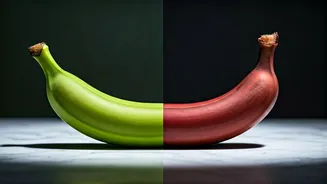
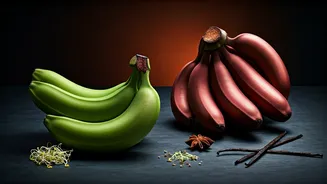
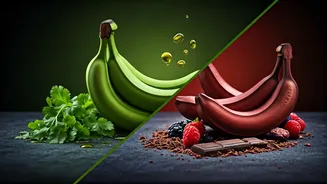
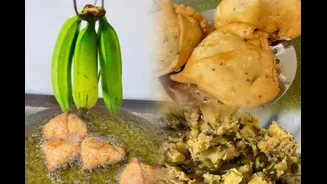
levels are minimal, resulting in a firm, somewhat waxy texture and a palate-neutral flavor. This composition makes them an excellent canvas for savory applications, much like potatoes. They maintain their structural integrity beautifully when subjected to boiling, steaming, or frying, allowing them to serve as a robust base for a wide array of dishes. Their neutral taste profile means they readily absorb the flavors of spices and other ingredients, offering a versatile foundation for meals that require a starchy component but don't need inherent sweetness. Experimenting with green bananas can introduce a novel textural element and a subtle depth to everyday cooking, proving they are far more than just an unripe version of their yellow counterpart.
Red Banana Sweetness
In contrast to their greener cousins, red bananas offer a distinctly different sensory experience. Visually, they are often shorter and more robust than yellow bananas, distinguished by their striking deep maroon peel. The culinary magic of red bananas truly unfolds as they ripen. Once mature, they develop an exceptionally creamy consistency, coupled with a sweet flavor profile that carries intriguing undertones reminiscent of berries or even tropical fruits like mango. This inherent sweetness and luxurious texture make red bananas a natural choice for dessert applications. They can imbue fruit salads with a gourmet touch, add a rich creaminess to baked goods, or be the star of indulgent sweet treats. Their unique flavor notes elevate simple desserts into something more sophisticated, offering a delightful departure from the usual banana experience.
Kitchen Creations
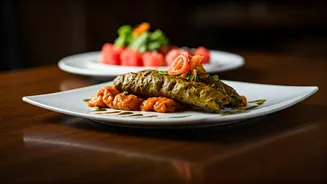
Transform your kitchen with these innovative recipes featuring green and red bananas. For a savory delight, try crispy green banana 'coins'. Treat them like potatoes, slicing them thinly and tossing with olive oil, cumin, turmeric, and salt. Bake at 200 degrees Celsius until golden and crisp. Remember to store green bananas away from ethylene-producing fruits like apples and yellow bananas to maintain their firm texture. When it comes to sweetness, a red banana and berry smoothie bowl is a perfect choice. Blend two ripe red bananas with frozen raspberries, Greek yogurt, and a touch of honey until smooth. Top with toasted almonds for a delightful crunch that complements the creamy banana base. Ripe red bananas, indicated by dark skins and a slight softness, are ideal for this vibrant and healthy treat.
Storage and Ripening
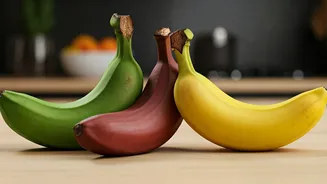
Proper storage is key to unlocking the full potential of both green and red bananas. To maintain the firm, starchy quality of green bananas, store them in cool, dry environments away from direct sunlight. Minimizing their exposure to ethylene gas, which is released by ripening fruits like apples and yellow bananas, will help slow down their transition to a sweeter state, thus preserving their suitability for savory dishes. Conversely, red bananas benefit from a ripening process that enhances their flavor and texture. Allow them to sit at room temperature until they emit a pleasant aroma and yield gently to light pressure. The color change and fragrance indicate they have reached peak ripeness, at which point their natural sweetness and creamy texture are optimized for culinary use, especially in desserts.
The Joy of Variety
Embracing ingredient diversity is fundamental to elevating home cooking and discovering new culinary horizons. By incorporating different banana varieties, you introduce both technical versatility and a broader spectrum of flavors into your meals. Starchy green bananas are perfect for hearty, substantial dishes that require a filling component, while the naturally sweeter red bananas lend themselves beautifully to exquisite desserts and lighter fare. This simple act of diversifying your pantry allows for more creative meal planning and a richer tasting experience. It's about moving beyond the familiar and exploring how subtle differences in ingredients can lead to significant improvements and exciting new possibilities in your everyday culinary adventures.