



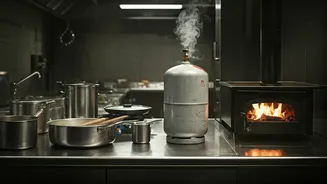
Menu & Method Shifts
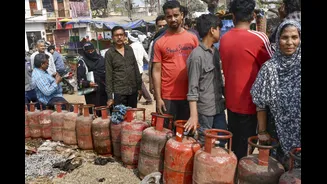
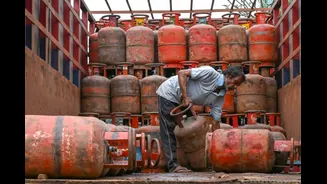
The unexpected disruption in commercial LPG supply has compelled numerous food establishments across Noida and Ghaziabad to implement significant operational changes. Restaurants are finding themselves
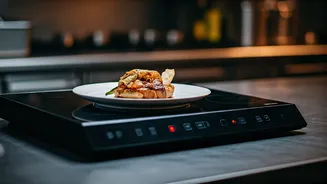
in a position where they must pivot their cooking techniques and even their core offerings to accommodate this shortage. A prominent adaptation involves a widespread transition towards electric appliances, a move that necessitates considerable investment and retooling of kitchen spaces. Beyond just equipment, the very essence of the menu is being reconsidered. For instance, dishes traditionally reliant on the intense, consistent heat of gas-powered griddles, such as large, classic dosas, are being substituted with smaller alternatives like benne dosas that are more amenable to cooking on electric plates. Similarly, establishments specializing in cuisines that demand high temperatures, like many Chinese dishes, are seeing a reduction in their availability, as electric alternatives may not replicate the rapid, intense heat required. This culinary evolution is driven by necessity, as businesses strive to maintain operations despite the fuel scarcity.
Kitchen Overhaul Challenges
The move from gas to electric cooking presents more than just a change in appliances; it introduces substantial logistical and infrastructural challenges within restaurant kitchens. Many existing kitchen designs in Noida and Ghaziabad were not originally conceived to support the increased electrical load required by a multitude of induction cooktops, electric fryers, and other powered equipment. This has led to makeshift solutions, with businesses resorting to the widespread use of extension cords to meet the demand. While these extensions can bridge the immediate gap, they pose potential safety risks and are far from an ideal, long-term setup. Furthermore, the perception of widespread closures due to the LPG shortage has unfortunately impacted customer footfall, with patrons mistakenly assuming that many restaurants are temporarily out of operation, further compounding the difficulties faced by these businesses.
Street Vendors' Struggles
The impact of the gas supply issue extends significantly to the vibrant street food sector in Noida and Ghaziabad, where vendors face a unique set of adversities. Unlike established restaurants that can afford to invest in new electrical cooking equipment, most street food vendors lack access to reliable electricity, making the switch to induction cooktops unfeasible. Consequently, these entrepreneurs are forced to find ways to stretch their limited existing fuel supplies, often resorting to doubling their prices or drastically simplifying their menus to conserve gas. This situation puts immense pressure on their livelihoods, as they rely on consistent fuel availability to operate their businesses. Their hope lies in a swift resolution to the commercial LPG shortage, allowing them to return to their usual operating methods and pricing structures without compromising their ability to serve customers.
Rapid Adaptations by Businesses
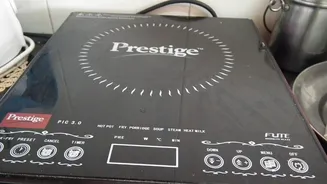
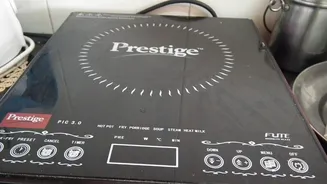
In the face of the critical commercial LPG cylinder supply halt, numerous restaurant owners in Noida have been compelled to make swift and decisive choices to ensure their kitchens could continue functioning. For a segment of these business owners, this necessity translated into substantial immediate investments in acquiring a new array of electrical cooking appliances. Others opted for a rapid menu revision strategy, effectively rewriting their offerings overnight to align with the new cooking constraints. An illustrative example is Baby Dragon, a popular bar and restaurant located in Sector 18. Its owner, Vicky Saluja, reportedly spent approximately Rs 1 lakh within a mere two-day period to transition a significant portion of his kitchen's cooking capabilities from gas-based systems to electric ones. This involved the procurement of six induction cooktops, an electric deep fryer, and associated new utensils, all acquired early in the week upon receiving news of the LPG supply disruption to restaurants.