





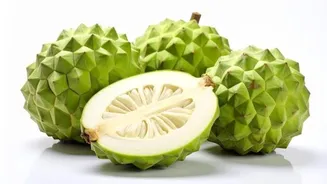

Kandmool: Root of Exile
The Ramayana narrates the story of Lord Rama, Sita, and Lakshman's arduous exile, a period during which they relied on the sustenance provided by Kandmool. This unique, large root-fruit, originating from
mountainous regions, is characterized by its earthy brown exterior and a crisp, white, fleshy interior. Although a real plant, it's quite rare and not widely cultivated today. Its mention in ancient texts underscores its importance as a vital food source during challenging times, embodying resilience and natural provision for the divine exiles.
Narikela: Divine Coconut
Known in Sanskrit as Shriphala, or 'God's own fruit,' the coconut holds a supremely revered status in Hindu traditions. It's an indispensable element in countless religious rituals and a common offering (Naivedya) during pujas. Beyond its practical uses, the coconut symbolizes purity and is believed to cleanse negative thoughts, making it a potent symbol of spiritual clarity and auspicious beginnings in Hindu practices. Its presence is almost ubiquitous in sacred ceremonies.
Pippala Fruit's Significance
Hailing from the sacred Ashwatha tree, revered in Hindu beliefs, the Pippala fruit is mentioned in the Rigveda. This fruit, along with its parent tree, carries profound spiritual and ritualistic importance. While both the tree and its small figs are tangible entities, their true power and symbolic weight in mythology are considered mythical. The Pippala fruit thus represents a connection between the earthly and the divine, imbued with ancient wisdom and sacred significance.
Shabri's Ber Berries
The humble Ber, or Indian Jujube, is famously linked to Shabri, a devout follower of Lord Rama. Her unwavering devotion is celebrated through the tale of her patiently waiting to offer the sweetest Ber fruits to Rama. She meticulously tasted each berry to ensure its perfection, and it is said that Lord Rama graciously accepted her offerings, even those half-eaten. This fruit, very popular in India, symbolizes devotion, purity of intent, and divine acceptance.