






An Unforeseen Landmark
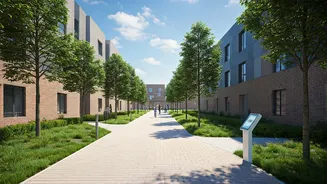
The Elstone Estate in Kalpetta, once a symbol of devastation following landslides, has undergone a remarkable metamorphosis. This newly constructed model township, designed for resettlement, is now drawing
an astonishing number of visitors. The scene at the site mirrors the crowds previously seen in disaster-stricken areas like Chooralmala and Mundakkai, highlighting a significant shift in public focus. This surge in attention has firmly established the township as a key destination on the regional travel itinerary, effectively redirecting 'disaster tourism' from the sites of tragedy to the locations of recovery and rebuilding. The sheer scale of this interest underscores the project's impact beyond its primary purpose of providing shelter.
A Global Draw
The appeal of Wayanad's rehab township extends far beyond domestic curiosity, even attracting international attention. Travelers like James and Bernard from Scotland, upon learning about the disaster and the subsequent reconstruction efforts, intentionally altered their Wayanad travel plans to visit the site. Their observations noted a striking resemblance between the aesthetic and urban planning of the development and European landscapes. This international validation has further amplified public intrigue, leading to hundreds of domestic visitors arriving daily. They are keen to observe firsthand the architectural design and thoughtful planning incorporated into the expansive 410-house project, showcasing a widespread fascination with this model of resilience and community rebuilding.
Widespread Fascination
The overwhelming public interest in the Wayanad model township has been a significant talking point, as noted by Kalpetta municipal chairperson Vishwanathan P. He elaborated on the diverse origins of the visitors, emphasizing that people are arriving in large groups via buses from various parts of the Wayanad district itself, as well as from other districts and neighboring states. This broad demographic underscores the project's status as a pioneering example of a large-scale resettlement initiative. The daily influx of hundreds of domestic tourists eager to examine the 410-house project's architecture and planning reflects a deep-seated admiration for the community's ability to rebuild and create a new beginning from adversity.