



Perception Over Size
The feeling of spaciousness in a home, particularly one as modest as 200 sq ft, is far less about the exact square footage and more about thoughtful design choices. While the dimensions might suggest coziness,
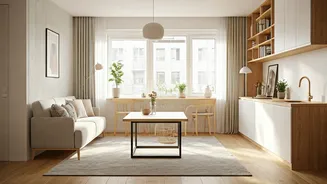
intelligent manipulation of elements like natural light, strategic furniture placement, and what the eye is drawn to can dramatically alter the perceived size of a room. Experts in urban living often emphasize that carefully planned layouts and efficient design solutions are the true keys to enhancing the livability of compact dwellings, proving that minimal space doesn't have to mean minimal comfort or style. The ultimate aim is not to magically increase the physical area, but rather to meticulously eliminate both visual and physical impediments that contribute to a feeling of confinement, thereby cultivating an environment that feels open, serene, and generously proportioned.
Declutter Strategically
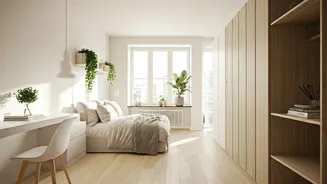
Achieving a sense of order in a small home is paramount, and this goes beyond mere minimalism. The objective is to ensure that every item has a purpose or brings genuine joy. Begin by keeping surfaces as clear as possible, utilizing clever storage solutions to keep items out of sight. Think about integrating under-bed storage, decorative baskets, and hidden compartments within furniture. The less visible clutter your space contains, the larger it will appear. However, it’s important to retain a few personal touches; a well-placed plant, a cherished photograph, or a small piece of art can add warmth and personality, preventing the space from feeling sterile. The simple rule of thumb is: if an item doesn't serve a functional purpose or isn't a source of delight, it's likely consuming valuable space that could be better utilized.
Mastering Light
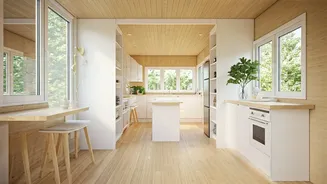
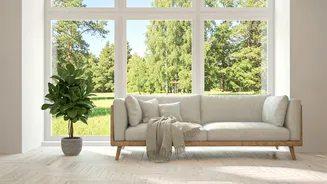
Illuminating a room effectively is a fundamental principle for making it feel larger. Natural light is your most potent ally; ensure it flows unimpeded by positioning furniture away from windows and opting for lighter window treatments that don’t obstruct the view or light. The strategic use of mirrors is also a powerful technique. Placing a mirror directly opposite a window can amplify the natural light and effectively extend the visual horizon, almost doubling the perceived size of the room. This isn't merely a decorative trick but a well-established design principle. In the evenings, embrace layered lighting, combining ambient ceiling lights with task lighting from floor lamps and wall sconces. This creates depth and dimension, a stark contrast to the flat, uninviting feel of a single, harsh overhead light source.
Vertical Space Savvy
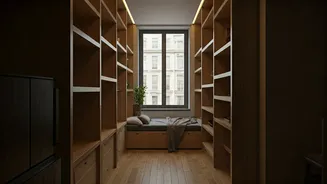
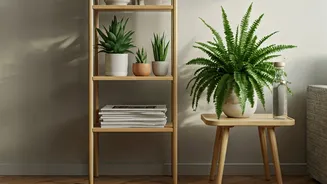
In a home with limited floor area, walls transform into valuable real estate. However, haphazardly filling them can make the space feel more cramped. Instead, adopt a layered approach to vertical storage. Install open shelving higher up for items that aren't used daily, reserving eye-level spaces for frequently accessed belongings. This strategy keeps the lower visual field clear, making the room feel more open. Employing tall shelving units that extend to the ceiling can actually enhance the perception of height, provided they are kept organized and uncluttered. A wall that is too busy or filled with excessive items can visually shrink a room far more effectively than a cluttered floor.
Multipurpose Furniture
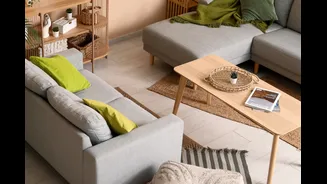
Within a compact 200 sq ft living area, every piece of furniture should ideally serve multiple functions. Consider incorporating items like beds with built-in storage drawers, dining tables that can be folded or extended as needed, or sofa beds that provide both seating and sleeping solutions. These pieces can dramatically alter how the space is utilized throughout the day. Beyond functionality, the scale of your furniture is critical. Oversized pieces can make even an empty room feel crowded. Opt for furniture with slim profiles and raised legs; this visible floor space beneath the furniture creates an illusion of openness and lightness, making the entire room feel more expansive.
Colour Palettes
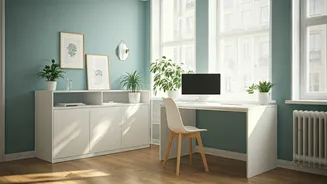
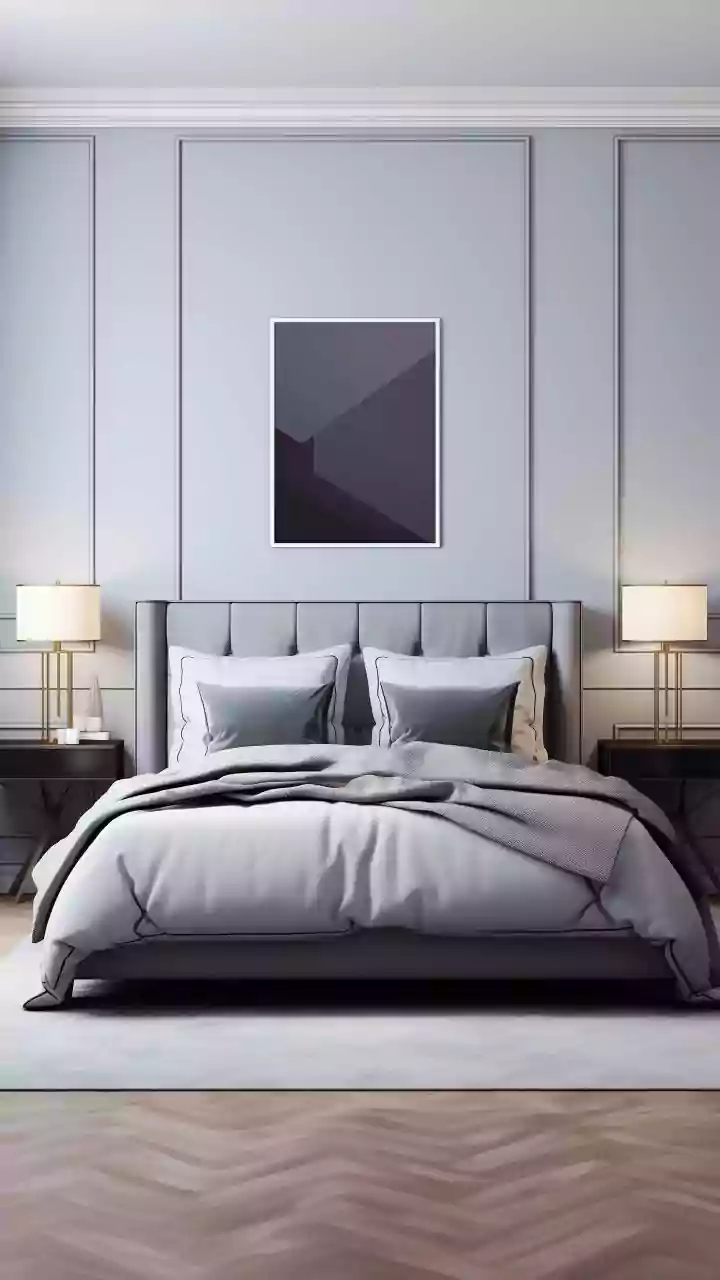
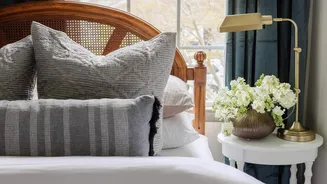
Light colors possess a remarkable ability to reflect light, thereby making a space feel more open and airy. Shades such as off-white, soft beige, pale grey, or muted pastel tones are particularly effective in small homes. This doesn't necessitate a completely monochromatic scheme; you can introduce character with a single accent wall or by incorporating textured surfaces that add visual interest without overwhelming the senses. Consistency in your color choices is key. Employing too many disparate colors can disrupt the visual flow, making the room appear smaller. A well-curated, limited color palette promotes a sense of calm and continuity, which contributes to a more spacious feel.
Uninterrupted Flow
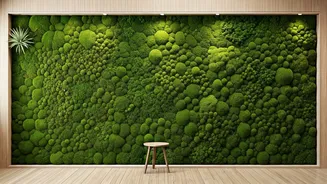
A primary reason why small homes often feel cramped is the fragmentation of the visual path. Sharp contrasts, bulky room dividers, and poorly arranged layouts create numerous visual interruptions. To counteract this, prioritize open sightlines. Use lower-profile furniture, avoid imposing vertical dividers, and arrange key pieces along the walls to guide the eye smoothly. Even dedicating one wall to be largely unadorned can create a powerful sense of depth. Architects often note that a room feels more expansive when the eye can travel freely without encountering obstacles. If some form of division is necessary, consider using glass partitions or sheer curtains instead of solid walls, as they can define different zones without breaking the continuity of the space.