




Chaitra Navratri's Arrival
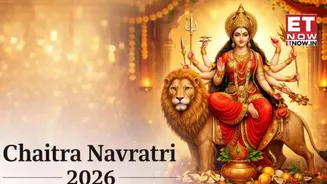
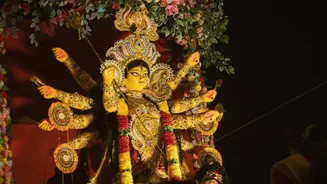
Chaitra Navratri, also recognized as Vasanta Navratri, heralds the Hindu New Year with profound devotion dedicated to Goddess Durga. This festival, typically observed in March and April, symbolizes fresh
starts and inner fortitude. It is characterized by periods of fasting, fervent prayers, and energetic traditional dances, culminating in the celebration of Rama Navami. The observance is a time for spiritual advancement and fostering community ties, with each of the nine days dedicated to a specific form of the Navadurga, each represented by a unique color to honor their distinct energies and blessings. It’s an opportune moment to shed the old, set positive intentions, and seek divine blessings for health, prosperity, and courage, embodying the cycle of renewal and positivity.
Navratri 2026 Dates
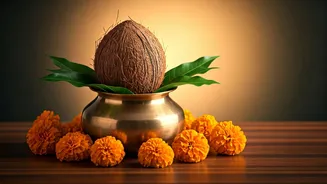
Mark your calendars for Chaitra Navratri 2026, as it commences on Thursday, March 19th, and concludes on Friday, March 27th. The sacred ritual of Ghatasthapana, marking the festival's beginning, is slated for March 19th. The auspicious timing for Ghatasthapana on this day falls within a brief window, specifically from 06:52 AM to 07:43 AM, providing approximately 50 minutes for devotees to perform this vital ceremony and invite divine blessings. This period is central to initiating the nine nights of worship and spiritual reflection, setting a tone of devotion and new beginnings for the days ahead.
Color Significance Unveiled
The practice of adorning specific colors on each day of Navratri is deeply rooted in Vedic traditions, serving as a conduit to connect with the divine energies of the Navadurga forms. Each color is believed to resonate with specific chakras and planetary influences, thereby amplifying devotion and spiritual receptivity. By aligning attire with these symbolic hues, devotees aim to invoke the unique blessings and powers associated with each goddess, fostering a more profound connection. This tradition enhances the spiritual experience, making the festival a visually vibrant and energetically potent period of worship and self-discovery.
Day 1: Yellow for Shailputri
The inaugural day of Chaitra Navratri 2026 is dedicated to Maa Shailputri, the daughter of the mountains. The vibrant yellow hue chosen for this day perfectly mirrors her pure energy and the strength embodied by the first light of dawn. This sunny color is associated with the solar plexus chakra, believed to boost confidence and signify new beginnings, making it ideal for the Ghatasthapana ceremony. Wearing yellow on this day is thought to invite vitality and protective blessings from Maa Shailputri, setting a positive and energetic tone for the entire festival. It represents purity, unwavering determination, and the foundational power of new beginnings.
Day 2: Green for Brahmacharini
On the second day, the color green is embraced to honor Maa Brahmacharini, revered for her asceticism and devotion, often depicted with a Jap mala and kamandal. This fresh, verdant shade beautifully reflects her disciplined nature and journey of spiritual growth, evoking the natural sense of renewal found in the environment. Green is intrinsically linked to the heart chakra, fostering love, balance, and focused energy. By adorning oneself in green, devotees seek Maa Brahmacharini's grace for steady progress in their spiritual practices and to cultivate inner peace and harmony, symbolizing growth, nature's vitality, and serene dedication.
Day 3: Grey for Chandraghanta
The third day calls for the adoption of grey attire to venerate Maa Chandraghanta, the warrior goddess distinguished by her bell and the crescent moon adorning her forehead. This subtle, neutral tone embodies her calm courage and resolute spirit when facing formidable battles. Grey is believed to harmonize the throat chakra, promoting clear communication and fostering an atmosphere of peace. Embracing grey allows devotees to seek Maa Chandraghanta's blessings for bravery in overcoming challenges and for a peaceful, unwavering resolve, representing composure, strength, and quiet determination.
Day 4: Orange for Kushmanda
Day four of Navratri is celebrated with the radiant color orange, paying homage to Maa Kushmanda. She is the divine feminine form who resides within the sun, radiating energy throughout the universe and dispelling darkness. This vibrant hue, reminiscent of ripening fruits, radiates warmth, prosperity, and creative energy. It is associated with the sacral chakra, stimulating joy and artistic expression. Wearing orange seeks Maa Kushmanda's blessings for abundance, good health, and the nurturing, life-giving energy of the cosmos, symbolizing creation, vitality, and abundance.
Day 5: White for Skandamata
The fifth day is dedicated to pure white, a color that celebrates Maa Skandamata, the mother of Lord Kartikeya, who is often depicted seated on a lion. This pristine hue signifies wisdom, ultimate purity, and the path to salvation. White is believed to cleanse and enhance the crown chakra, fostering spiritual clarity and higher consciousness. By wearing white, devotees seek Maa Skandamata's guidance for knowledge, protection, and an elevated understanding of divine truth, embodying serenity, spiritual insight, and maternal strength.
Day 6: Red for Katyayani
On the sixth day, the bold and passionate color red is worn to honor Maa Katyayani, the fierce warrior goddess renowned for her strength in vanquishing ego and evil forces. This fiery hue embodies her intense love, unwavering justice, and powerful spirit. Red is deeply connected to the root chakra, providing grounding and stability. Wearing red is intended to channel Maa Katyayani's formidable strength, help resolve internal conflicts, and attract harmonious and robust relationships, symbolizing passion, courage, and protective power.
Day 7: Royal Blue for Kaalratri
The seventh day calls for the deep and majestic hue of royal blue to honor Maa Kaalratri, the formidable destroyer of fear and darkness. This profound color, as deep as the midnight sky, symbolizes her protective shield and the tranquility she bestows. Royal blue is associated with the third eye chakra, enhancing intuition and inner vision. Adorning oneself in royal blue is believed to help banish negativity and embrace Maa Kaalratri's fearless presence and calming influence, representing protection, intuition, and divine peace.
Day 8: Pink for Mahagauri
For the eighth day, the soft and gentle color pink is chosen to revere Maa Mahagauri, the radiant and fair goddess embodying peace and compassion. This tender hue, akin to blooming roses, spreads feelings of empathy and serenity. Pink is known to fully open and activate the heart chakra. During Kanya Pujan, wearing pink is believed to invoke Maa Mahagauri's blessings for forgiveness, marital bliss, and her pure, soothing grace, symbolizing love, compassion, and gentle healing.
Day 9: Purple for Siddhidatri
The final day, the ninth, is celebrated with the mystical and regal color purple, dedicated to Maa Siddhidatri. She is the bestower of supernatural powers and ultimate success. This rich hue signifies spiritual enlightenment and the attainment of profound wisdom and achievements. Purple is thought to stimulate the crown chakra, fostering higher consciousness and divine connection. Embracing purple on this day signifies concluding Navratri by inviting Maa Siddhidatri's blessings for victory, fulfillment, and spiritual perfection, representing enlightenment, magic, and divine power.