
Prime Tiger Havens
This article shines a spotlight on five distinct safari gates nestled within North Indian national parks, celebrated for their high probabilities of tiger sightings. These gates serve as gateways to diverse
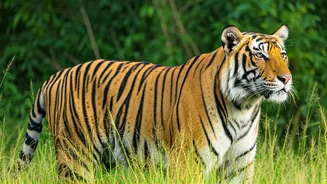
ecosystems, each harboring its own unique charm and promising the thrill of encountering the elusive Bengal tiger. The selection ensures a comprehensive coverage, giving readers a solid understanding of where to position themselves for the best chances of observing these magnificent creatures in their natural habitat. Planning a safari? This is your starting point.
Gate 1: Core Details
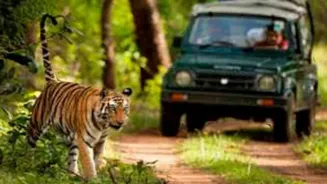
The first gate offers an immersive safari experience in a well-known national park. Known for its dense forests and varied topography, this gate is frequented by tourists seeking tiger sightings. Key factors to consider here include seasonal variations in tiger activity, the specific zones accessible from this gate, and the timing of safaris. Early morning and late afternoon safaris often yield the best results due to heightened tiger activity during these cooler periods. Be prepared for a captivating journey through the tiger's domain.
Gate 2: Landscape Insights
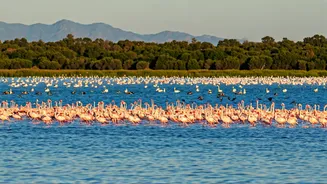
Gate number two presents a contrasting landscape, often characterized by vast grasslands and open water bodies, making tiger sightings visually stunning. This gate provides unique vantage points, allowing visitors to witness tigers in diverse habitats. Essential information to keep in mind includes the impact of the monsoon season on safari routes and tiger movement. Furthermore, the gate's proximity to specific waterholes can be strategically important, especially during the dry season when tigers are frequently drawn to these sources. It's a photographer's delight!
Gate 3: Strategic Planning
This gate emphasizes strategic planning for a successful tiger safari. The primary focus here revolves around identifying peak sighting times and understanding the behavior patterns of tigers within the region. Detailed knowledge of tiger territories and frequently used trails is invaluable. This section might cover tips on hiring local guides and drivers with expertise in tiger tracking and sighting. Consider all factors, from vehicle choice to appropriate attire, to maximize your tiger spotting opportunities.
Gate 4: Wildlife Interactions
At gate four, the article shifts focus toward the interactions between the tigers and the other wildlife. The importance of appreciating the biodiversity and ecological balance of the national park is highlighted. The section would likely include details about other animal species that visitors are likely to see, such as deer, monkeys, birds, and other predators. Knowing how these species interact with tigers provides deeper understanding of the ecological context.
Gate 5: Beyond Sightings
The final gate offers a broader perspective, focusing not just on sightings but also on the long-term conservation of tigers and their habitat. It encourages visitors to become responsible tourists, supporting local conservation efforts and adhering to park regulations. The section could address how the visitors can contribute towards wildlife conservation. It inspires a responsible approach towards tourism, encouraging visitors to leave the park as they found it, ensuring these majestic animals will thrive for generations to come.