




Impending Closures Loom
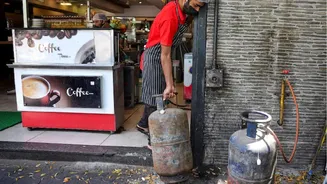
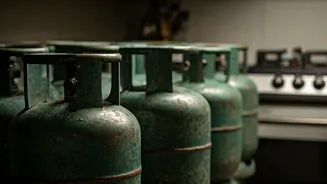
A critical scarcity of commercial Liquefied Petroleum Gas (LPG) cylinders has placed Kerala's hospitality sector in a precarious position, with projections indicating that as many as 70% of restaurants
and hotels across the state could be forced to cease operations by the end of the current week. K T Rahim, the Ernakulam district secretary for the Kerala Hotel and Restaurant Association (KHRA), highlighted that the current crisis has taken everyone by surprise, stating that for many years, a consistent supply of LPG was taken for granted, leading to a reliance on daily cylinder procurement. The abrupt halt in supply has left numerous establishments without a viable alternative, compelling them to consider shuttering their doors. Azees Moosa, the KHRA working president, echoed these concerns, estimating that currently operating establishments might possess enough gas for merely two to three additional days, suggesting that a complete shutdown for all eateries is imminent within days.
Root Causes of Crisis
The current LPG shortage in Kerala is a direct consequence of a Union government directive on March 8th, which discontinued commercial gas supply to non-essential services, including restaurants and hotels, with exceptions made only for hospitals and other critical facilities. This decision was prompted by significant disruptions in shipping routes due to ongoing conflicts in West Asia. Basheer, proprietor of Galaxy Hotel in Kochi, which had to close its doors on Wednesday, noted that even as the conflict escalated, there were no strong indicators of an impending gas shortage, leading many to forego stockpiling cylinders. The situation is particularly dire in rural areas, where gas cylinder availability was already less frequent prior to the current crisis, as pointed out by Azees Moosa. This exacerbates the challenge for establishments operating in these regions, potentially leading to a complete cessation of services.
Price Hikes and Scarcity
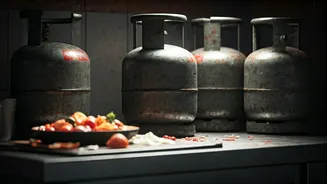
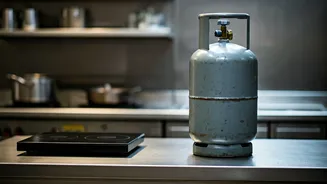
The disruption in regular LPG supply has led to a significant surge in prices from private gas suppliers, as alleged by N Abdul Razak, the KHRA general secretary. He reported that prices have escalated dramatically, moving from approximately ₹80 just two weeks prior to the current range of ₹130 to ₹140 per unit. However, even this inflated supply has now reportedly been exhausted, leaving businesses with no immediate relief. Adding to the complexity, an LPG dealer remarked that central government regulations apply universally across all agencies, implying that alternatives are limited. On average, a moderately sized restaurant consumes at least two commercial LPG cylinders daily, with each cylinder containing 47.5kg of gas. This substantial daily requirement underscores the severity of the supply cut for most establishments.
Menu and Operational Changes
In response to the escalating LPG crisis, the Kerala Hotel and Restaurant Association (KHRA) has advised its member establishments to implement substantial revisions to their menus and operating hours. Many outlets have already begun making these adjustments. A representative from Avenue Group mentioned that one of their larger hotels has completely closed its restaurant operations and is exploring menu overhauls, with a greater reliance on combi-ovens and induction cooking. A spokesperson for a 5-star hotel in Kochi confirmed that they have halted taking new bookings for large functions, although they intend to honor existing commitments. Discussions are underway with clients to explore potential menu modifications given the gas shortage. Another prominent hotel in Fort Kochi acknowledged facing a similar predicament, though they preferred not to disclose their remaining operational capacity. Even vegetarian establishments like Saravana Bhavan are experiencing impacts, having discontinued live fry items such as dosas and adjusting their operating timings.
Menu Items First to Go
The impact of the LPG shortage is most acutely felt in the immediate removal of certain popular menu items. Rahim noted that dishes like shawarma, shawayi, various Chinese preparations, and dosas are likely to be the first to be omitted from menus. He further suggested that smaller eateries will likely pivot towards preparing food items that can be made in large batches, such as biryani, to streamline operations. For hotels, the possibility of discontinuing buffet services is also being seriously considered. A hotel staff member indicated that offering a wide variety of items daily might become impractical, leading to a preference for à la carte options. The KHRA has explicitly discouraged the use of firewood for cooking, citing safety concerns and a lack of compatibility with current safety standards, though they acknowledge enforcement may prove challenging.
Unregulated Practices and Public Awareness
Azees Moosa warned of a potential proliferation of 'thattukadas,' or street eateries, which often operate illegally using domestic gas cylinders and may not adhere to necessary safety protocols. This could emerge as a workaround for consumers seeking affordable food options amidst the widespread closures. Meanwhile, Rahim observed that the general public is only beginning to grasp the reality of the LPG crisis. He highlighted that a significant portion of the population remains unaware of the problem's severity. However, as more restaurants are compelled to shut down, the crisis's tangible effects will become increasingly apparent, particularly in urban centers like Kochi, which attract a substantial young migrant population.