







Abhishek's Strategic Leadership
As the political landscape of West Bengal readies itself for the 2026 Assembly elections, Abhishek Banerjee has solidified his position as a pivotal figure within the Trinamool Congress. His role has transcended
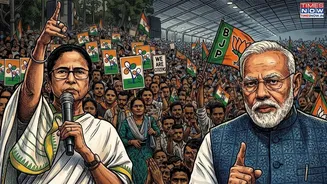
that of a youthful party leader; he is now instrumental in sculpting the party's electoral approach. This involves a multifaceted strategy that incorporates assertive political action, a keen focus on controlling the prevailing narrative, and a concentrated effort to expand the party's organizational reach across the state. The campaign's current thrust involves raising critical questions about established institutions, launching pointed attacks on the opposition's attempts at unity spearheaded by the Bharatiya Janata Party, and vigorously reinforcing the core tenets of identity politics, all under the overarching guidance of Chief Minister Mamata Banerjee. Simultaneously, Banerjee's deep involvement in extensive, on-the-ground engagement signifies a significant drive to strengthen the party's foundational organizational capabilities. This in-depth exploration aims to dissect this comprehensive strategy, pinpointing the critical areas of contention and the broader political implications, while also assessing whether the upcoming 2026 elections could represent a significant turning point in Abhishek Banerjee's developing leadership trajectory.
Key Flashpoints & Alliances
The political arena in West Bengal is set to be a battleground of ideas and strategies as the 2026 elections loom. A central point of contention will likely be the debate between the 'Dravidian Model' and the 'Delhi Model' of governance, representing contrasting approaches to development and state administration. The Trinamool Congress, under Abhishek Banerjee's strategic direction, is expected to champion its distinct regional development vision against the central government's policies. Furthermore, the formation and dynamics of political alliances will play a crucial role. The strength and cohesion of opposition fronts, particularly those involving the Bharatiya Janata Party, will be closely scrutinized. Abhishek Banerjee's campaign is designed to proactively counter any attempts at opposition unity, aiming to divide and weaken their collective impact. The narrative control employed by the Trinamool focuses on highlighting perceived institutional biases and reinforcing regional identity, creating a strong emotional connect with the electorate. These elements, combined with the ongoing efforts to consolidate the party's organizational strength at the grassroots level, will collectively define the major flashpoints of the upcoming electoral contest.
Electoral Stakes for Banerjee
The upcoming 2026 West Bengal Assembly elections hold substantial weight for Abhishek Banerjee's political future, potentially marking a significant milestone in his leadership journey. His current role in shaping the Trinamool Congress's election strategy underscores a deliberate move to demonstrate his capability in leading the party's electoral campaigns. The aggressive political stance, coupled with strategic narrative control and robust organizational outreach, are all geared towards securing a decisive victory for the Trinamool. Success in these elections would not only solidify his position within the party hierarchy but also enhance his standing as a national political figure. Conversely, any setback could impact his trajectory. The emphasis on institutional questioning and opposition critique, alongside the reinforcement of identity politics, are calculated moves to mobilize core voter segments and counter the influence of national parties. Therefore, the 2026 polls represent a critical juncture where Abhishek Banerjee's leadership acumen and strategic foresight will be put to the ultimate test, with the outcome significantly influencing the future direction of both his career and the Trinamool Congress.