



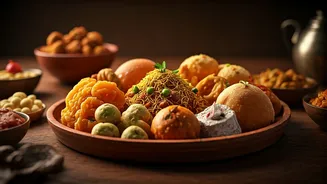
Culinary Diversity Celebrated
Uttar Pradesh, India's most populous state, is a treasure trove of diverse culinary experiences, with each of its 75 districts contributing unique flavors that reflect the rich tapestry of its communities
and the bonds forged over shared meals. In an effort to enhance the branding and market reach of these local delicacies, the Uttar Pradesh government has introduced a comprehensive 'One District, One Cuisine' (ODOC) initiative. This program meticulously assigns signature dishes to each district, with the overarching goal of promoting and marketing the state's traditional cuisines on a larger scale. The initiative aims to foster food entrepreneurship, elevate hygiene standards within the food industry, and establish a strong global brand identity for these regional specialties. This program, which began in January 2026, draws inspiration from the successful 'One District, One Product' scheme, underscoring a commitment to leveraging local strengths for economic and cultural development.
The ODOC List Unveiled
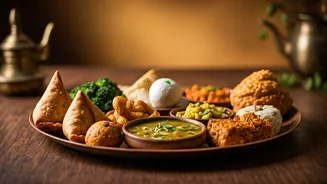
The 'One District, One Cuisine' list, as shared by Awanish K Awasthi, advisor to the UP Chief Minister, presents an intriguing array of food items that span from sweet confections to savory snacks and fruits. However, the notable absence of non-vegetarian dishes has drawn considerable attention and raised eyebrows among culinary enthusiasts and critics alike. Iconic non-vegetarian specialties that are nationally and internationally synonymous with Uttar Pradesh's culinary heritage, such as Lucknow's galawati kebab and Awadhi biryani, Rampur's mutton korma and seekh kebabs, and Bareilly's renowned mutton preparations, have been conspicuously omitted. The list primarily features vegetarian items, including sweets like peda, balushahi, and jalebi, street food favorites like samosas and chaat, and other regional specialties such as petha from Agra, gajak from Meerut, and thandai from Varanasi.
District Highlights & Delicacies
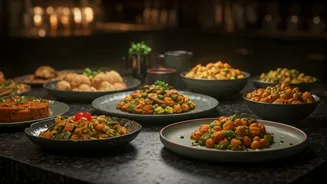
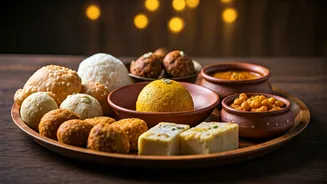
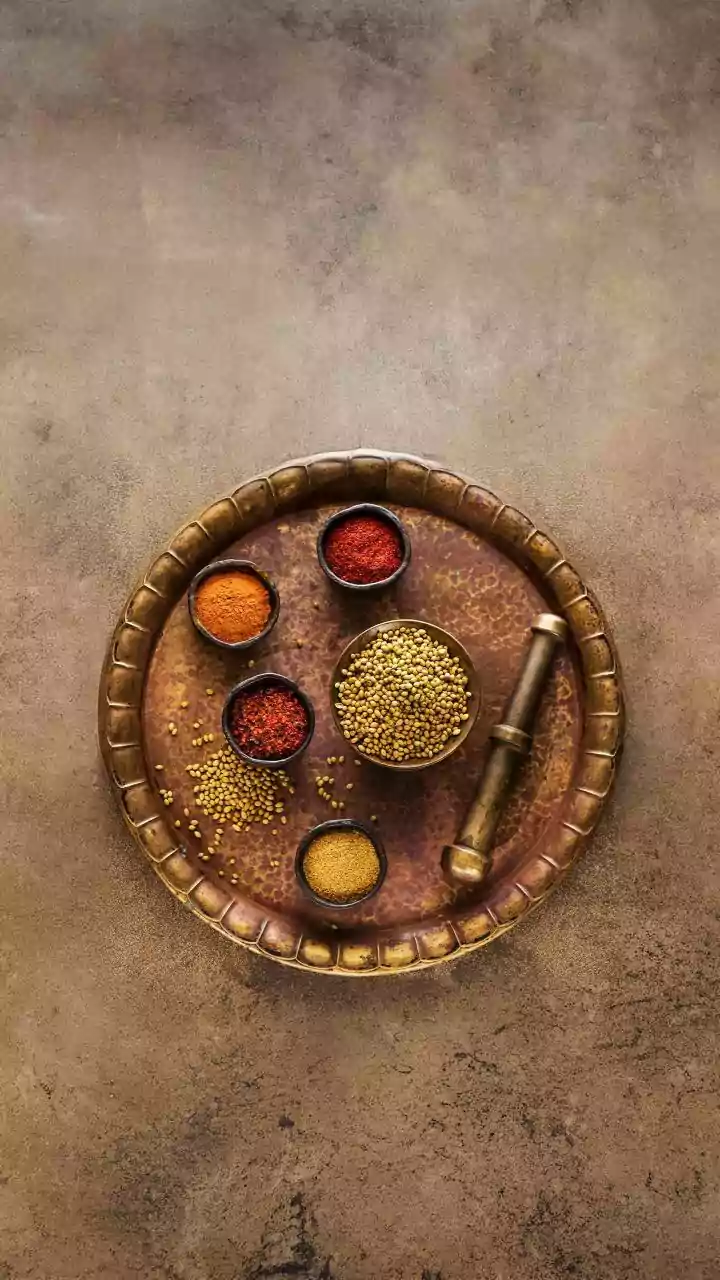
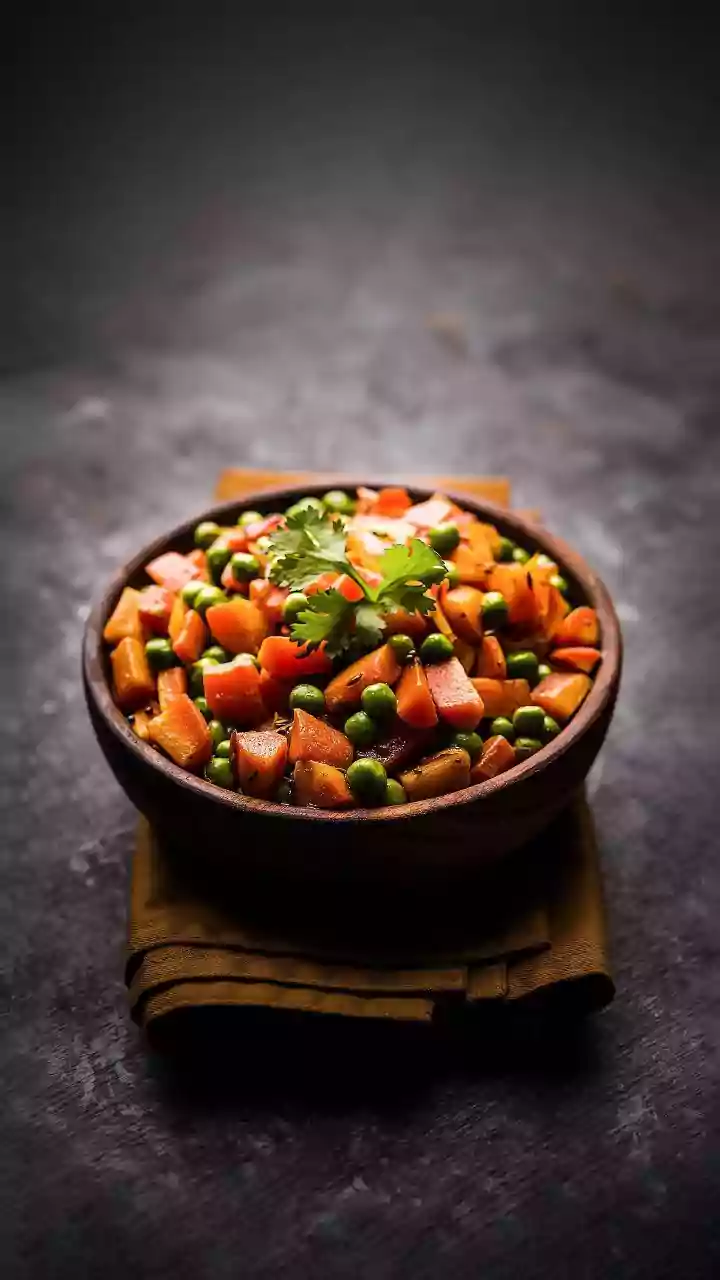
Across Uttar Pradesh's 75 districts, the 'One District, One Cuisine' list highlights a vibrant spectrum of vegetarian culinary offerings. For instance, Sultanpur champions dishes like peda, samosa, kadhai puri, and red peda, while Barabanki focuses on chandrakala and red peda. Amethi features samosa, jaggery kheer, and gulgula, and Ambedkar Nagar includes balushahi, chaat, and khajla. The Devipatan division, centered in Gonda, showcases dahi vada, and Bahraich offers chamcham and kachori. Balrampur’s selection includes coconut barfi, kalakand, ghamanja, and chaat, with Shravasti highlighting imarti. Lucknow’s contributions encompass revdi, mango products, chaat, and malai makkhan. Agra proudly presents petha and dalmoth, Firozabad offers tikki and kachori, and Aligarh points to its dairy products and kachori. Mathura is recognized for its peda and makhan mishri, while Moradabad emphasizes dal dishes and handi halwa. Hardoi features aloo puri, laddoo, and laozhad, and Lakhimpur Kheri lists banana, jaggery, khoya peda, kheer mohan, and rasgulla. Raebareli's specialty lies in spices, and Sitapur includes makhan malai, samosa, mirchi pakoda, and peda. Unnao's entries are kala jamun, samosa, kushli, and trilok pari. Ayodhya showcases chandrakala, balushahi, and dahi. Zamgarh is noted for its white carrot halwa, and Mahoba for date jaggery. Meerut is celebrated for gajak and revdi, and Prayagraj for kachori, samosa, and rasmalai. Hamirpur's focus is on bundeli dal-based preparations, and Varanasi contributes thandai, tiranga barfi, lassi, and Banarsi paan.
Expert and Government Perspectives
The exclusively vegetarian nature of the 'One District, One Cuisine' list has prompted critique from food experts. Noted food historian Pushpesh Pant described the initiative as a 'half-baked' measure, suggesting it bordered on bigotry and was an 'ignorant nonsense,' while clarifying his appreciation for vegetarian food. He questioned the selective discrimination inherent in omitting well-known non-vegetarian dishes. In response to these concerns, government officials have stated that the omission of non-vegetarian items was not intentional and that such dishes could be incorporated if recommended in the future. Cabinet minister Rakesh Sachan explained that the primary aim is to promote dishes that can benefit a larger population through packaging and sales, rather than individual popular items. He emphasized that the list is flexible and open to modifications based on public opinion, local recommendations, and suggestions, with the Chief Minister's approval, without necessitating a full Cabinet reshuffle for such changes.