






Khichdi's Comforting Embrace
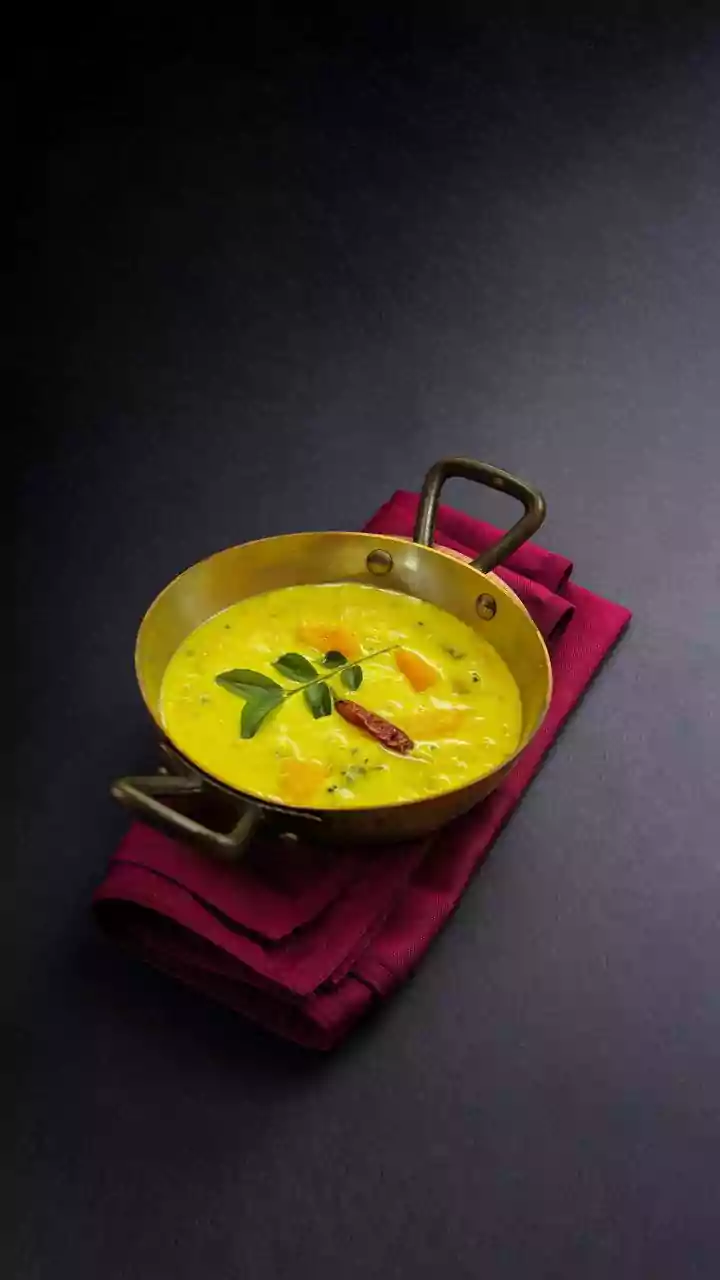
Moong Dal Khichdi, a comforting and nourishing dish, often tops the list of Makar Sankranti favorites. This dish is usually made with moong dal (split green gram) and rice, cooked together with mild spices,
it is a wholesome meal ideal for a festive gathering. The warmth of khichdi is often associated with the spirit of togetherness that Makar Sankranti embodies. It is a light yet filling dish, suitable for all ages and a staple in many households during the festival. It is a great dish to start your day with as it provides essential nutrients. The simplicity of khichdi preparation makes it a readily accessible food for people during festivals or any other day. Furthermore, it can be customized with vegetables and other ingredients to suit individual preferences. The dish showcases the essence of a traditional Indian meal in its purest form.
Sweetness of Til Ladoo
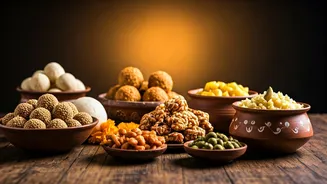
Til Ladoo, made with sesame seeds (til) and jaggery or sugar, is a quintessential Makar Sankranti sweet. Sesame seeds are believed to have warming properties, perfect for the winter season, while jaggery adds a rich, caramel-like sweetness. These small, round balls symbolize the sweetness and happiness of the occasion. The act of making and sharing til ladoos with loved ones is a common tradition, representing the bonds of family and friendship. Many families prepare these ladoos together, contributing to the communal spirit of the festival. Each bite of a til ladoo is a taste of tradition, uniting people with their cultural roots. The sweet treat also signifies the beginning of a good new year.
Gajak's Crispy Delight
Gajak, a brittle sweet made from sesame seeds and jaggery, is another popular treat during Makar Sankranti. The sesame seeds are roasted and mixed with melted jaggery, then flattened into a thin, crispy sheet. Gajak provides a delightful crunch and a unique flavor profile. The preparation of gajak varies across different regions, with some adding nuts or spices for an enhanced taste. It is often enjoyed as a snack or a dessert and is considered a healthy alternative to other sweets due to the benefits of sesame seeds. The satisfying crispiness of gajak and the distinctive blend of nutty and sweet flavors make it a favorite for all age groups. It's also a great source of iron and calcium.
Undhiyu's Mixed Vegetables
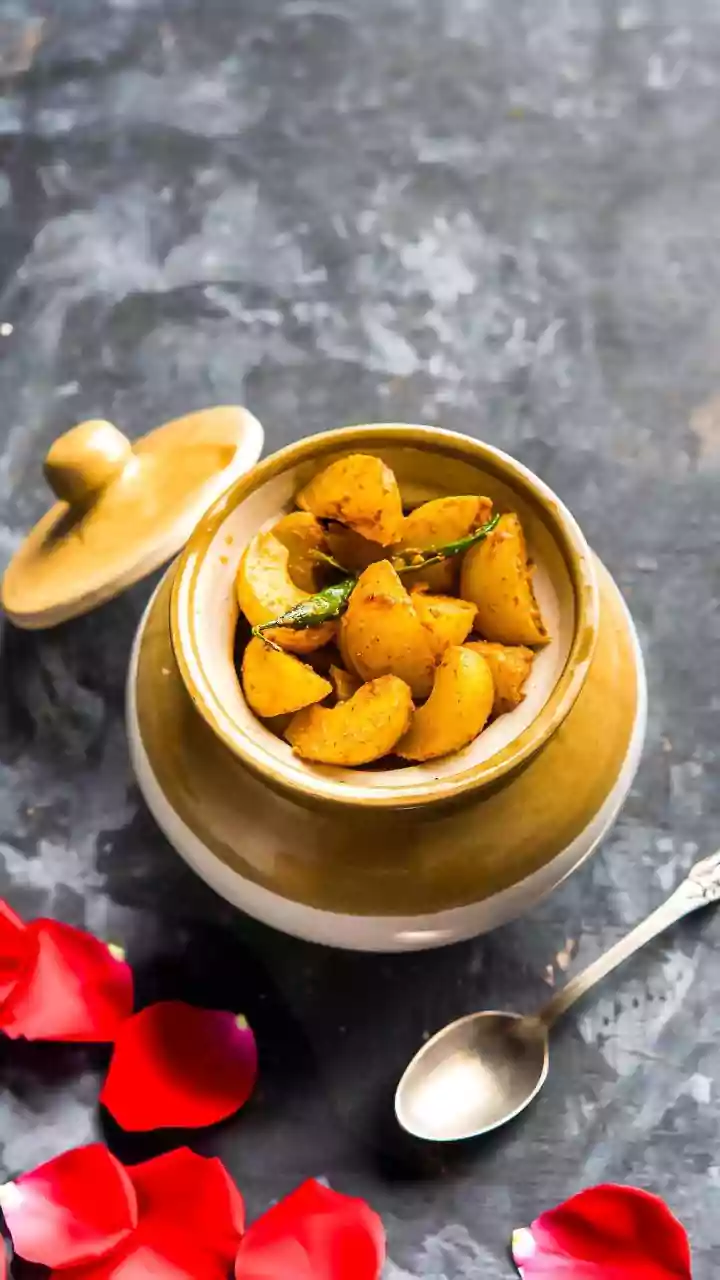
Undhiyu, a Gujarati specialty, is a mixed vegetable dish slow-cooked in an earthen pot (matka), underground, or in a pressure cooker. It typically consists of a variety of seasonal vegetables, such as brinjals (eggplant), potatoes, and beans, cooked with a blend of spices. The slow-cooking process allows the vegetables to absorb the flavors, creating a rich and aromatic experience. Undhiyu is a labor of love, often prepared collectively by families and communities. The flavors and preparation methods vary greatly across Gujarat, with each household adding its unique touch. It is often served with poori and shrikhand, making it a complete meal representing the cultural heritage of the region. The preparation of Undhiyu requires specific skills.
Peanut Chikki's Crunchy Joy
Peanut chikki, a hard candy made from peanuts and jaggery, is another widely enjoyed Makar Sankranti treat. This simple yet delicious confection is easy to make at home. The combination of roasted peanuts and caramelized jaggery creates a satisfying crunch and a delightful sweetness. Peanut chikki is a convenient snack, often enjoyed on the go, making it a favorite among all age groups. It provides a good source of energy, and its simplicity reflects the basic ingredients of a harvest festival. Peanuts add to the nutritional value. The making of chikki, just like many Makar Sankranti dishes, is a tradition that brings families and communities together.
Gur ki Roti's Rustic Charm
Gur ki Roti, a flatbread made with jaggery and wheat flour, is a rustic and heartwarming dish. The sweetness of the jaggery infuses the roti with a unique flavor and texture. This simple bread is often enjoyed with ghee or butter, enhancing its taste and richness. It is a staple in many North Indian households during Makar Sankranti, representing the harvest's bounty and the warmth of community. Gur ki Roti symbolizes the simplicity and authenticity of the festive season. The dish's easy preparation makes it a favorite among home cooks, offering a taste of tradition that is both comforting and familiar.
Pongal's Sweet Rice
Pongal, a sweet rice dish, is prepared in South India as a tribute to the sun god. This dish is made with rice, lentils, and jaggery, cooked together until it becomes creamy and aromatic. The cooking process is often associated with rituals, with families using new pots and celebrating the first harvest of the year. It's often garnished with nuts, ghee, and raisins, adding richness and flavor. Pongal symbolizes prosperity and abundance, marking the commencement of the harvest season. The preparation of Pongal is a community affair, strengthening ties and spreading joy. This dish is usually served warm.
Patishapta's Sweet Rolls
Patishapta, a Bengali sweet, can be found as part of the festive spread in some regions. These are thin crepes filled with a sweet coconut and jaggery filling. The crepes are typically made from a mixture of rice flour and all-purpose flour. Patishapta is then rolled, often served warm. The soft texture and sweet, flavorful filling make Patishapta a delightful dessert. The preparation of Patishapta requires skill and precision, especially when rolling the crepes. The dish represents the creative culinary heritage of Bengal and offers a different perspective on the flavors of Makar Sankranti. The sweetness combined with the richness of coconut makes it very desirable.
Dahi Chura's Simplicity
Dahi Chura, a simple dish of flattened rice (chura) and curd (dahi), is another popular food item. Chura is soaked in curd and sometimes garnished with jaggery or sugar, offering a light and refreshing meal. This simple dish is often enjoyed during Makar Sankranti as it is easy to prepare and digest. It reflects the straightforward nature of the harvest season. The cooling properties of curd balance the warming foods typically consumed during winter. It is a traditional breakfast or snack option during the festival. Dahi Chura is a simple yet satisfying meal, celebrating the harvest season with minimal effort.
Kheer's Creamy Delight
Kheer, a creamy rice pudding, is a beloved dessert across India and is often made during Makar Sankranti. It is usually made with rice, milk, sugar or jaggery, and flavored with cardamom, nuts, and saffron. The slow cooking process gives kheer a thick, rich texture and a delightful aroma. Kheer signifies sweetness and prosperity, representing the joy of the new harvest. It's often served warm, offering comfort during the winter season. The preparation of kheer varies from region to region, with slight modifications in the ingredients or cooking methods. It's a sweet ending to a festive meal.