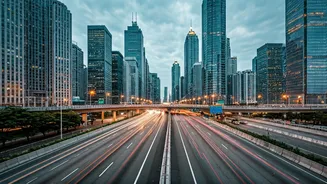









Tokyo's Time Drain
Tokyo frequently ranks among the cities with the most extended commute times globally. The city's massive population, exceeding 13 million, strains the transportation infrastructure, contributing to significant
delays. The intricate railway system, despite its efficiency, struggles to cope with the sheer volume of daily commuters. Besides this, traffic congestion on roads adds to the time spent traveling, especially during peak hours. Urban sprawl and the expansion of residential areas far from city centers further complicate the issue, compelling people to travel for extended periods to reach their workplaces. While the city has undertaken several infrastructure projects to mitigate these challenges, long commutes remain a significant part of daily life for Tokyo residents. The city is persistently improving its public transportation network to improve the commuting experience of its citizens.
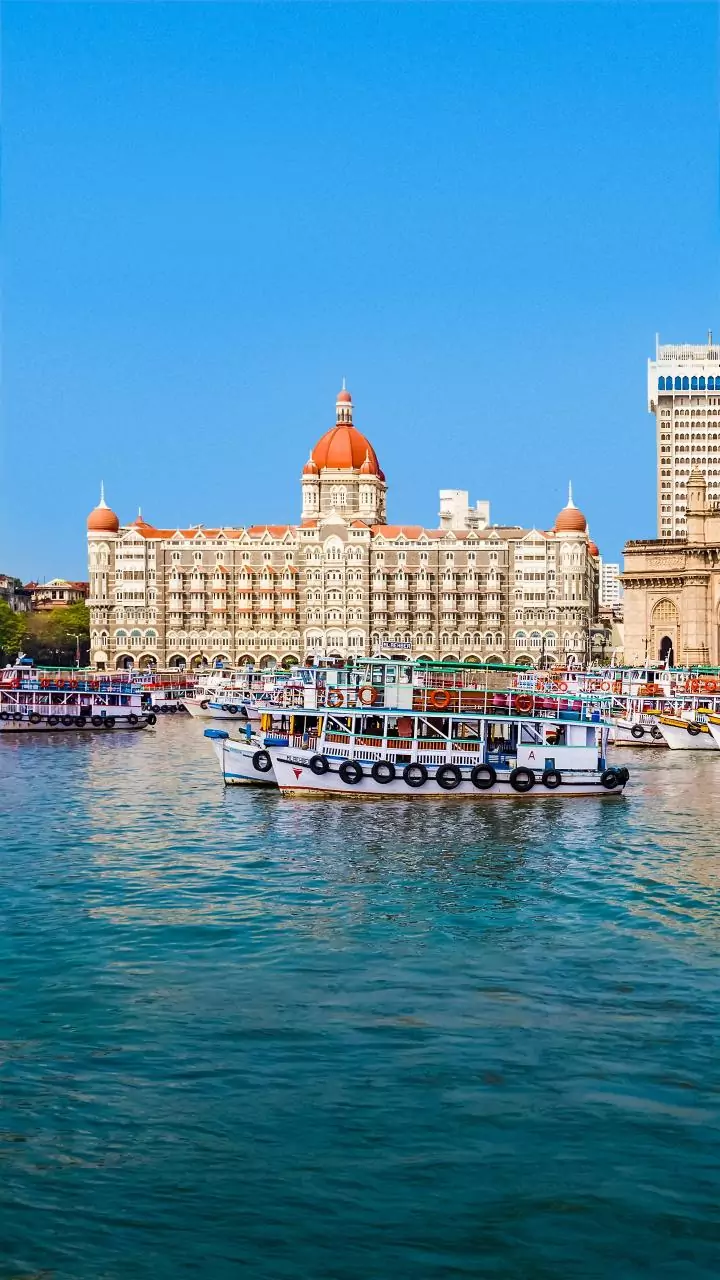
Mumbai's Commute Conundrum
Mumbai, characterized by its high population density and limited infrastructure, battles with some of the most challenging commutes globally. Overcrowded local trains are a norm during peak hours, and road traffic is often standstill, considerably extending travel times. The city's urban landscape, with its narrow streets and expanding suburbs, compounds the issue, compelling many residents to spend several hours on their commutes. Despite infrastructure improvements, such as the construction of flyovers and the expansion of the metro system, the rapid population growth and urban sprawl continue to place heavy demands on the city's transport network. The challenge for Mumbai lies in balancing the need for more efficient transportation with the realities of its already congested environment, making daily commutes a constant struggle for many people.
Seoul's Lengthy Journeys
Seoul faces commuting challenges due to its huge population and sprawling urban layout. The city's transport infrastructure, whilst extensive, struggles to accommodate the tremendous number of commuters, resulting in frequent delays and overcrowding. A substantial part of Seoul's workforce lives outside of the city center, necessitating lengthy commutes, especially during the morning and evening rush hours. The city's ongoing efforts to enhance its public transportation, like expanding its subway and bus networks, aim to alleviate these travel issues. However, the consistent increase in population and urban expansion requires constant upgrades to infrastructure to manage commute times. Seoul is working towards making the daily commute a less stressful experience for its residents.
Bangkok's Traffic Troubles
Bangkok is infamous for its severe traffic congestion, leading to incredibly long commute times. The city's road network often gets overwhelmed by the sheer volume of vehicles, especially during peak times. A mix of factors, like a growing population and the limited availability of public transport, contribute to this problem. The current infrastructure struggles to keep pace with the expansion of the urban area. The construction of new mass transit systems, like elevated train lines and underground subways, aims to ease the traffic burden. However, until these systems are fully operational and expanded, residents will continue to face long and arduous commutes. The situation underscores the need for continuous investment in public transport infrastructure to support a smoother, faster commute for Bangkok residents.
Beijing's Travel Times
Beijing confronts substantial commute times, driven by its vast size and significant population. The city's massive road network and public transportation systems are frequently overloaded during peak hours, resulting in significant delays. Beijing's urban development, with its widespread residential areas, adds to the commute, compelling residents to travel significant distances. The city is implementing several measures to deal with this challenge. Subway expansion and infrastructure improvements aim to improve the commute experience for its millions of residents. Efforts to enhance public transport options and manage traffic flow show the city's commitment to tackling the commute issues, even as Beijing continues to grow.
Manila's Daily Grind
Manila is known for its difficult commutes, which are made worse by a blend of heavy traffic, limited public transportation, and a quickly growing population. Daily commutes are often prolonged because of the high volume of traffic on roads and the limited capacity of public transit systems like buses and trains. Metro Manila's urban structure, with residential areas expanding away from the central business districts, makes commutes even longer for those who live on the outskirts of the city. Manila's government is constantly looking for ways to improve the traffic situation, including investing in new infrastructure, such as road projects and railway lines, to improve the commuting experience.
Shanghai's Long Commute
Shanghai contends with extended commute times, driven by its large population and rapidly expanding urban areas. While the city has a well-developed public transportation system, it still faces challenges due to the sheer volume of commuters. Traffic congestion, particularly during rush hours, adds to travel delays. Shanghai's ongoing urban development, with its suburban residential areas, means many residents travel long distances to work. The city invests heavily in improving and expanding its infrastructure. The city strives to make the daily commute manageable for its citizens by continually enhancing and expanding its transportation networks, including subways and bus services. Despite these efforts, long commutes remain a significant part of daily life.
Kuala Lumpur's Challenges
Kuala Lumpur struggles with significant commute times, stemming from its growing population, and dependence on private vehicles, leading to substantial traffic congestion on its major roadways. Even with a well-established public transport system, the city's infrastructure struggles to cope with the demand. The city's layout, where the business districts are distant from residential areas, increases commute times. The government continues to invest in improving its public transport and road infrastructure. These initiatives aim to improve the experience of the daily commute, even as Kuala Lumpur continues to grow and develop.
Jakarta's Traffic Woes
Jakarta is synonymous with its challenging commutes. Traffic congestion is a consistent issue, influenced by the huge number of vehicles on the road and limited public transportation. The city's structure, with sprawling residential areas that are far from business districts, lengthens travel times. Jakarta is investing in new infrastructure, which includes the construction of new roads and the expansion of its metro and bus systems, to ease traffic. However, with the city's growing population and urban sprawl, the challenge of long commutes remains a major issue.
Hong Kong's Commute
Hong Kong faces substantial commute times because of its high population density and limited land availability, which adds to the traffic congestion, especially during rush hour. The city's well-developed public transport network helps to mitigate some of the issues, but the sheer volume of commuters and the geographical layout of the city necessitate extensive travel times. Hong Kong's ongoing infrastructure investments, including the improvement of its transport networks, help to alleviate the pressure on its transportation systems. However, the high population density and urban layout make long commutes a part of daily life for many people, despite the efforts to improve transportation efficiency.