







Sugar's Gallstone Link
Groundbreaking research has uncovered a significant correlation between consuming too much sugar and the development of gallstones. The findings indicate that for every extra 100 grams of sugar ingested
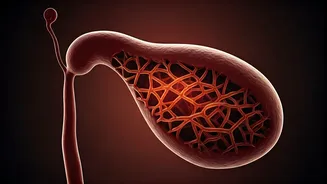
daily, the probability of forming gallstones escalates by a substantial 41%. This association holds true even after researchers accounted for various other health-related factors. Gallstone disease is a widespread issue, affecting millions. Historically, factors like obesity, rapid weight reduction, and elevated cholesterol levels have been recognized as primary contributors. However, the role of sugar in this equation was previously less understood. This new investigation suggests that sugar might be a major, underappreciated factor in the prevalence of gallstones, impacting the body's biliary system which manages bile transport. The implications are considerable, given the often-costly treatments and potential need for surgery in severe cases.
Research Uncovers Sweet Culprit
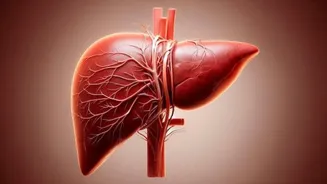
To rigorously examine the connection between high sugar intake and gallstones, researchers conducted a thorough cross-sectional analysis. They meticulously gathered dietary and gallstone data from 8,975 adult participants in the National Health and Nutrition Examination Survey (NHANES) between 2017 and 2023. The study focused on whether total sugar consumption is associated with an increased risk of gallstones. The results were compelling, underscoring that excessive sugar intake is linked to a multitude of health problems. It can interfere with normal metabolic functions and promote insulin resistance. Furthermore, heightened sugar consumption leads to increased fat production in the liver, which can alter the composition of bile. When bile becomes imbalanced, with an excess of cholesterol and a deficit of bile salts, it can crystallize, ultimately leading to the formation of gallstones. These stones, over time, can obstruct bile ducts, resulting in significant pain, inflammation, and other serious complications. The data is clear: an additional 100 grams of sugar daily correlates with a 41% rise in gallstone risk, irrespective of age, weight, or other health indicators, signifying that there isn't a 'safe' level of sugar consumption.
Mitigating Your Risk
Significantly reducing your sugar consumption is paramount for safeguarding your overall well-being, particularly your metabolic health, and crucially, for lowering your risk of developing gallstones. Excessive sugar intake is also a known precursor to obesity, diabetes, and fatty liver disease, all conditions that are independently associated with a higher likelihood of gallstone formation. Embracing straightforward lifestyle adjustments, such as adopting a nutrient-dense and balanced dietary pattern, can be highly effective in preventing this ailment. Equally important is actively cutting back on sources of added sugar, with a particular focus on sugary beverages, ultra-processed food items, and sugary desserts. By making conscious choices to limit these culprits, individuals can take proactive steps towards protecting their gallbladder health and reducing the chances of experiencing the painful consequences of gallstones.