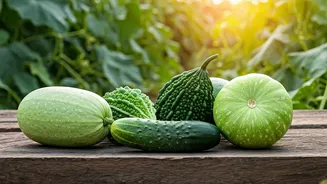









Summer Veggies Made Simple
Embracing a home garden in India during the summer months is a rewarding endeavor, fostering health, environmental consciousness, and a sense of personal accomplishment. The availability of popular vegetables
like bottle gourd (lauki), cucumber (kheera), and bitter gourd (karela), coupled with convenient seed kits, makes transforming any home into a productive kitchen garden remarkably accessible. This practice not only ensures a supply of fresh, home-cultivated vegetables but also provides a unique sense of satisfaction that store-bought produce can’t match. The prevailing Indian climate, characterized by heat and humidity, is particularly well-suited for certain summer vegetables. Members of the cucurbit family, such as gourds and cucumbers, flourish in these conditions and demand minimal upkeep. These plants typically thrive in temperatures between 25-38°C, require ample sunlight, and are adaptable to container gardening, terraces, and compact garden spaces. Furthermore, the advent of specialized seed kits simplifies the gardening process significantly, offering carefully selected high-quality seeds, pre-portioned potting mix, and straightforward instructions, making it an ideal starting point for novice gardeners.
Bottle Gourd (Lauki)
Bottle gourd, a culinary cornerstone in Indian kitchens, presents an exceptionally straightforward cultivation experience and is packed with nutritional benefits. This particular vegetable grows as a vining plant, demonstrating a remarkable ability to thrive even when planted in pots. With adequate exposure to sunlight and consistent watering, the bottle gourd plant is capable of yielding its produce within a few weeks of planting, making it a relatively fast-growing option for eager gardeners. Its ease of growth and its common use in a variety of Indian dishes contribute to its popularity among home growers looking to supplement their dietary needs with fresh, homegrown ingredients.
Cucumber (Kheera)
Cucumbers stand out as swift-growing and wonderfully refreshing vegetables, perfectly suited for the summer season and an excellent choice for individuals new to gardening. These versatile vegetables can be successfully cultivated in both pots and traditional garden beds, offering flexibility for various living situations. The maturation period for cucumbers is typically between 45 to 60 days, meaning gardeners can anticipate a relatively quick harvest. Their crisp texture and cooling properties make them a popular choice for salads and beverages during the hotter months, adding a healthy and hydrating element to summer meals with minimal cultivation effort.
Bitter Gourd (Karela)
Bitter gourd, known for its distinctive taste and numerous health advantages, thrives exceptionally well in warmer climates. To achieve optimal growth, bitter gourd plants require a minimum of eight hours of direct sunlight daily. Consistent watering is also essential for their development. As a climbing vine, bitter gourd benefits significantly from the provision of trellis support, enabling it to grow upwards and maximize space. For enhanced germination rates, it is advisable for gardeners to pre-soak the seeds before planting, ensuring a robust start to the growing cycle and a plentiful harvest of this health-benefiting vegetable.
Ridge Gourd (Torai)
Ridge gourd is a vegetable that requires very little attention and flourishes rapidly during the summer season, producing an abundance of long, tender fruits. Its growth habit makes it particularly well-suited for vertical gardening systems, allowing it to be grown efficiently in limited spaces, such as balconies or small garden plots. This low-maintenance vegetable provides a continuous yield, making it an attractive option for home gardeners seeking a reliable source of fresh produce with minimal fuss. The ease with which it can be grown vertically also contributes to its popularity in urban gardening scenarios.
Snake Gourd (Chichinda)
Snake gourd is another remarkably easy-to-grow vegetable that thrives throughout the summer season, yielding characteristically long fruits. Like ridge gourd, it is best suited for vertical gardening techniques, making it an ideal candidate for small-space cultivation. Its minimal care requirements and vigorous growth make it a popular choice for gardeners aiming to maximize their yield with limited effort. The unique elongated shape of snake gourd adds an interesting variety to home gardens and culinary preparations, proving that even long, vine-growing vegetables can be managed effectively in compact settings.
Seed Kits: Your Start
For individuals embarking on their gardening journey, seed kits represent a truly transformative solution. These kits typically bundle essential components, such as seeds and appropriate containers, thereby providing invaluable assistance to beginners who may lack prior horticultural experience. For instance, commercially available kits designed for vegetable kitchen gardens are incredibly practical for those seeking straightforward DIY options. Furthermore, combo seed kits are also readily available, allowing gardeners to simultaneously cultivate a diverse range of vegetables, including varieties like bottle gourd, bitter gourd, and ridge gourd, within the same growing season. This integrated approach simplifies the initial steps and boosts confidence for new gardeners.
Garden Health Tips
To ensure the most successful and productive summer garden, several key practices should be observed. Firstly, it is crucial to select a location that receives ample direct sunlight and offers good air circulation, as these are fundamental requirements for most vegetable plants. Secondly, watering should be consistent and adequate, ensuring the soil remains moist but not waterlogged, which can lead to root rot. Employing organic compost is highly recommended as it significantly contributes to the robust growth and overall health of the plants. Finally, for vining plants like gourds and snake gourds, providing supportive structures such as trellises is essential to encourage upward growth, optimize space utilization, and facilitate easier harvesting.