





Seizures Ahead of Festival
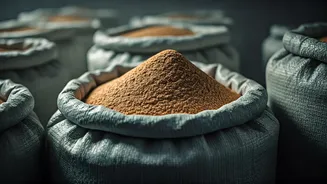
In anticipation of the Navratri festival, food safety officials in Noida conducted a series of inspections across the district, leading to the confiscation of approximately 400 kilograms of buckwheat (kuttu)
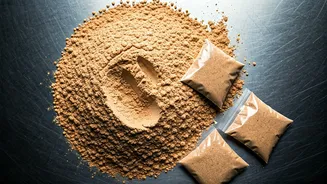
flour. The seized stock was found to be loose and lacked essential documentation, including batch numbers and manufacturing dates. Authorities stated that the seller was unable to provide a valid receipt for the goods. A food safety team visited Santosh Traders in Kulesra, Greater Noida, where they discovered 244 packets, each weighing 250 grams, that were devoid of any identifying marks regarding their production or expiry. Without such crucial information, it becomes challenging to verify the flour's suitability for consumption, especially considering buckwheat flour's relatively short shelf life. Consequently, officials proceeded to seal around 238 kilograms of loose flour and an additional 240 packaged units. This operation underscores the vigilance exercised by food safety departments to ensure consumer well-being during periods of increased demand for specific food items.
Broader Crackdown Continues
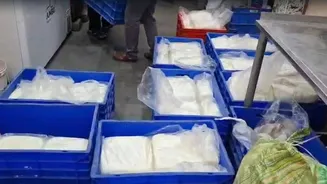
The vigilance extends beyond Noida, with Ghaziabad authorities also reporting substantial seizures. A recent crackdown in Ghaziabad resulted in the confiscation of over 3.5 tonnes of various food items, prominently featuring buckwheat flour and rock salt. Ashutosh Rai, Ghaziabad's chief food safety officer, detailed an inspection at M/s Gogia Grinders on Ramte Ram Road. During this raid, the team discovered a considerable stock of substandard products. Specifically, 2,520 kilograms of buckwheat flour, contained within 63 sacks, and 1,050 kilograms of rock salt, stored in 40 sacks, were seized. The seller failed to present any supporting documentation, and the expiry dates of these items could not be verified. The estimated value of the confiscated goods is approximately Rs 4 lakh. As part of the standard procedure, three samples collected from this raid have been dispatched for laboratory analysis to determine their quality and safety standards.
Lessons from Past Contamination
These proactive measures are significantly influenced by a past incident that led to widespread illness. Over a month prior to these recent raids, on February 15th, a concerning event unfolded in Greater Noida West. At least 70 residents across three housing societies—Supertech Ecovillage 3, Himalayan Pride, and Royal Court Society—became unwell after consuming meals prepared using buckwheat flour during the Mahashivratri festival. Investigations by food department officials managed to trace the source of the contaminated buckwheat to a single manufacturing unit located in Chipyana Buzurg village. The identified manufacturer, HD Spices, had reportedly obtained a supply license from the Ghaziabad food department. Following a complaint lodged by a food safety officer, a First Information Report (FIR) was registered at the Bisrakh police station. The FIR was filed under Section 275 of the Bharatiya Nyaya Sanhita, pertaining to the sale of noxious food or drink, and other relevant provisions of the Food Safety and Standards Act, 2006. During the ensuing investigation, four individuals, including the owner of the warehouse, were taken in for questioning.
Ensuring Consumer Safety
In light of such incidents and ongoing vigilance, food business operators have been issued stern directives to ensure the integrity of their supply chains and product offerings. Sarvesh Mishra, Assistant Commissioner (Food) for GB Nagar, emphasized the importance of procuring products exclusively from licensed suppliers. Furthermore, operators are mandated to maintain meticulous purchase records and guarantee that all products bear clear and accurate labeling. This labeling must include essential details such as manufacturing dates and batch numbers. These instructions aim to establish a robust system of accountability and transparency within the food industry, ultimately safeguarding consumers from potentially harmful or substandard products, especially during peak consumption periods like Navratri.