




Cultural Significance Unveiled
Urad Dal Khichdi holds a special place in the hearts of those celebrating Makar Sankranti, deeply rooted in cultural and religious beliefs. The festival, marking the sun's transition into Capricorn (Makar),
is considered auspicious and a time for new beginnings. Urad dal, a type of black lentil, is seen as symbolic of prosperity and is often associated with the planet Saturn. Khichdi, a comforting mix of rice and lentils, signifies unity and is considered easy to digest, making it a perfect meal to consume after a period of feasting. Makar Sankranti also celebrates the harvest season, and Urad Dal Khichdi is often made with freshly harvested grains, adding to its significance as a representation of gratitude for the year's bounty. The dish is not just a meal; it is a cultural expression, representing well-being, togetherness, and the cyclical nature of life. Its preparation and consumption are believed to bring blessings of health, wealth, and happiness to the household. The preparation also varies regionally, reflecting the diverse culinary traditions across India, but the core essence of the dish remains consistent.
Essential Khichdi Components
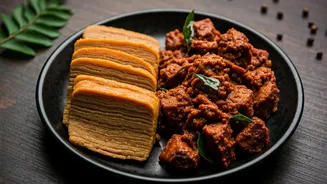
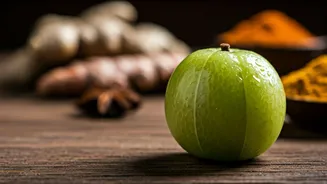
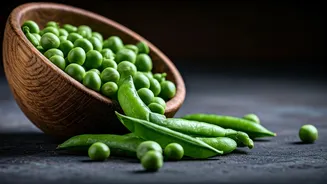
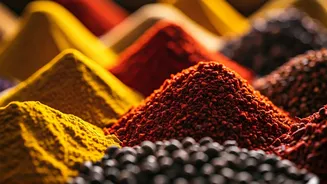
To create a perfect Urad Dal Khichdi, you'll need a collection of key ingredients. The foundation of the dish involves Urad dal (black gram), a lentil providing both texture and nutrients, along with rice, preferably short-grain rice, which contributes to the dish's consistency. The dish is also seasoned with aromatic spices like turmeric, ginger, and asafoetida (hing), each playing a role in the flavor profile. Ghee (clarified butter) is a crucial element that enriches the taste and aids in the cooking process. Other key additions include cumin seeds for a nutty aroma, and optional vegetables like peas, carrots, and cauliflower. The selection of rice, lentils, and vegetables will impact the final taste and texture of the khichdi. The spices add depth, while ghee ensures the dish is a fulfilling and comforting meal, especially during the colder months that often accompany Makar Sankranti. The use of fresh, quality ingredients will contribute to the overall flavor and cultural importance of the dish, creating a celebratory culinary experience.
Simple Khichdi Preparation Steps
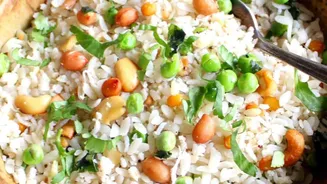
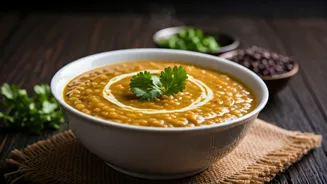
Making Urad Dal Khichdi at home is a simple and rewarding experience. Begin by soaking the Urad dal and rice separately for about 30 minutes to improve cooking and digestibility. In a pressure cooker or a heavy-bottomed pot, gently heat ghee and add cumin seeds, letting them sizzle to release their aroma. Add the grated ginger and other spices. Subsequently, add the soaked lentils and rice, along with any vegetables that you choose to include. Pour in water—typically three to four times the quantity of rice and lentils combined—and add salt to taste. For pressure cooking, cook for two to three whistles or until the grains and lentils are soft and well-cooked. If cooking in a pot, simmer gently on low heat, stirring occasionally to prevent sticking, until the ingredients reach a soft, porridge-like consistency. Once cooked, the khichdi should be easy to eat and have the consistency of a thick soup. Serve hot, optionally garnished with more ghee and coriander leaves. This simple approach ensures that anyone can prepare this classic dish.
Enjoy and Celebrate!
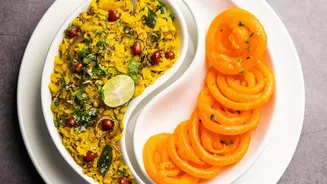
Urad Dal Khichdi is more than just a meal; it embodies the spirit of Makar Sankranti. Once the khichdi is ready, it is time to enjoy the fruits of your labor and celebrate the festive occasion. The dish is traditionally served with ghee and a side of yogurt, papad, or chutney to enhance the dining experience. Eating Urad Dal Khichdi on Makar Sankranti symbolizes well-being and is often shared with family and friends. This communal aspect further underscores the festival's themes of togetherness and gratitude. Sharing the meal is a way of spreading happiness and good fortune, connecting people through the simple act of eating. As you savor each bite, you're not just enjoying a meal but also participating in a rich cultural tradition. The dish itself signifies the end of the winter and the beginning of a fresh harvest season. Thus, eating Urad Dal Khichdi is a symbolic way of embracing renewal and welcoming new beginnings.