







The Ripening Spectrum Explained
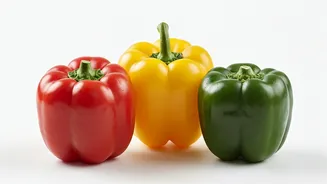
Bell peppers embark on a colour journey as they mature on the vine, a process that profoundly impacts their taste and nutritional composition. Green peppers, harvested earliest, possess a firmer texture
and a slightly bitter undertone. As they continue to ripen, they transition through yellow, becoming sweeter and softer, before finally reaching their peak as vibrant red peppers, boasting the most sweetness and a tender consistency. This natural ripening timeline is directly correlated with their nutrient density. The extended time spent on the plant allows for a greater accumulation of beneficial compounds, making the later stages of ripeness synonymous with richer nutritional value and a more developed flavour profile. Understanding this spectrum is the first step to appreciating the differences between each colour variety.
Red Pepper: Nutrient Powerhouse
When it comes to sheer nutrient density, red bell peppers often steal the show. They are particularly celebrated for their exceptionally high vitamin C content, frequently exceeding that of green peppers by more than double. This potent antioxidant is crucial for bolstering the immune system and plays a vital role in the body's ability to absorb iron, as highlighted by research. Beyond vitamin C, red peppers are a significant source of beta-carotene, a precursor that the body efficiently converts into vitamin A, essential for maintaining healthy vision, promoting skin regeneration, and supporting overall immune function. Furthermore, they are packed with capsanthin, a powerful antioxidant linked to anti-inflammatory properties, contributing to overall well-being. For those prioritizing maximum nutritional impact in every bite, the red bell pepper is the clear frontrunner.
Yellow Pepper: Balanced Goodness
Often overlooked, yellow bell peppers offer a delightful middle ground, striking a harmonious balance between sweetness and flavour intensity. They present a milder sweetness compared to their red counterparts, making them an appealing choice for individuals who find red peppers too intensely sweet. Nutritionally, they continue to impress by delivering a substantial amount of vitamin C and antioxidants, though typically at slightly lower levels than what is found in red peppers. A key benefit of yellow peppers lies in their content of lutein and zeaxanthin, two vital carotenoids that are particularly beneficial for eye health. These compounds function by filtering out harmful blue light and providing support for long-term visual acuity. Yellow peppers are a versatile option, providing significant nutritional advantages without an overwhelming sweetness.
Green Pepper: Practical Appeal
While green bell peppers may not always top the charts in terms of certain vitamin levels, dismissing them entirely would be a disservice. Their primary advantage lies in their lower sugar and calorie count, making them a strategic choice for individuals monitoring their blood sugar or actively managing their weight. The slightly bitter note inherent in green peppers pairs wonderfully with savoury dishes, offering a unique culinary dimension. They still contribute valuable fibre, vitamin C, and other essential plant compounds to the diet. Due to their earlier harvest, green peppers are often more economically priced and readily available in various markets, which can be a significant factor for everyday consumption. Sometimes, the most beneficial choice isn't solely about maximum nutrient density, but rather about practicality and integration into daily life and budget.
Optimal Consumption Strategies
The way bell peppers are incorporated into meals significantly influences the nutritional benefits they provide. To maximize the retention of vitamin C, consuming peppers raw is highly recommended. Slicing them into fresh salads or enjoying them as a crunchy snack with dips preserves their delicate nutrients most effectively. When it comes to enhancing the absorption of certain antioxidants, particularly beta-carotene found abundantly in red peppers, light cooking methods such as stir-frying or roasting can be advantageous. However, it's crucial to avoid overcooking, as excessive heat can degrade the vitamin content. Balancing raw and lightly cooked preparations ensures a comprehensive intake of the diverse health-promoting compounds found in all bell pepper varieties.
The Power of Variety
While each colour of bell pepper offers a distinct set of advantages, the ultimate strategy for maximizing health benefits lies in embracing variety. Rather than fixating on a single colour, rotating between red, yellow, and green peppers in your diet ensures a broader spectrum of nutrients and phytochemicals. Red peppers deliver concentrated vitamins and antioxidants, yellow peppers provide a balanced nutritional profile with eye-health benefits, and green peppers offer a lower-calorie, budget-friendly option. By incorporating all three into your meals, you harness the unique strengths of each, leading to a more well-rounded and robust nutritional intake. This approach moves beyond simply identifying the 'healthiest' pepper to understanding how to leverage the entire spectrum for optimal well-being.