


Momos: Steamed Delight
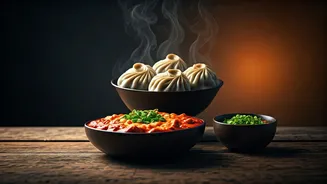
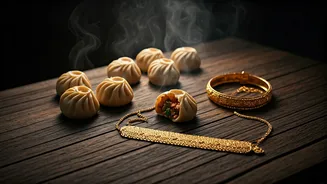
Momos are arguably the most iconic Nepali food, beloved for their simplicity and deliciousness. These steamed dumplings, which resemble small pouches, are typically filled with a savory mixture of minced
meat (usually chicken, pork, or buffalo) or vegetables. They are seasoned with a blend of aromatic spices. Momos are often served with a fiery tomato-based chutney, adding a contrasting layer of heat and tang to the experience. The dumpling's delicate dough and juicy filling make each bite a delightful experience. They're available everywhere in Nepal, from street vendors to high-end restaurants, highlighting their widespread appeal and role as a staple of Nepali cuisine. The adaptability of momos is also noteworthy. While traditional recipes are popular, modern versions may include different fillings or dipping sauces, catering to various tastes. This makes momos a dynamic dish, constantly evolving while still retaining its core appeal.
Dal Bhat: Hearty Staple
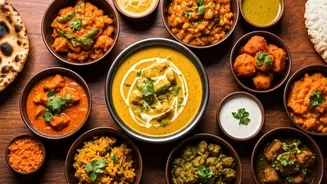
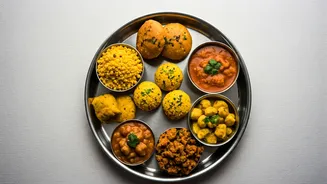
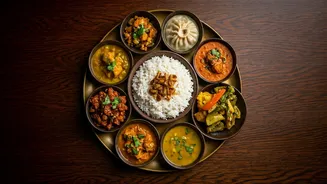
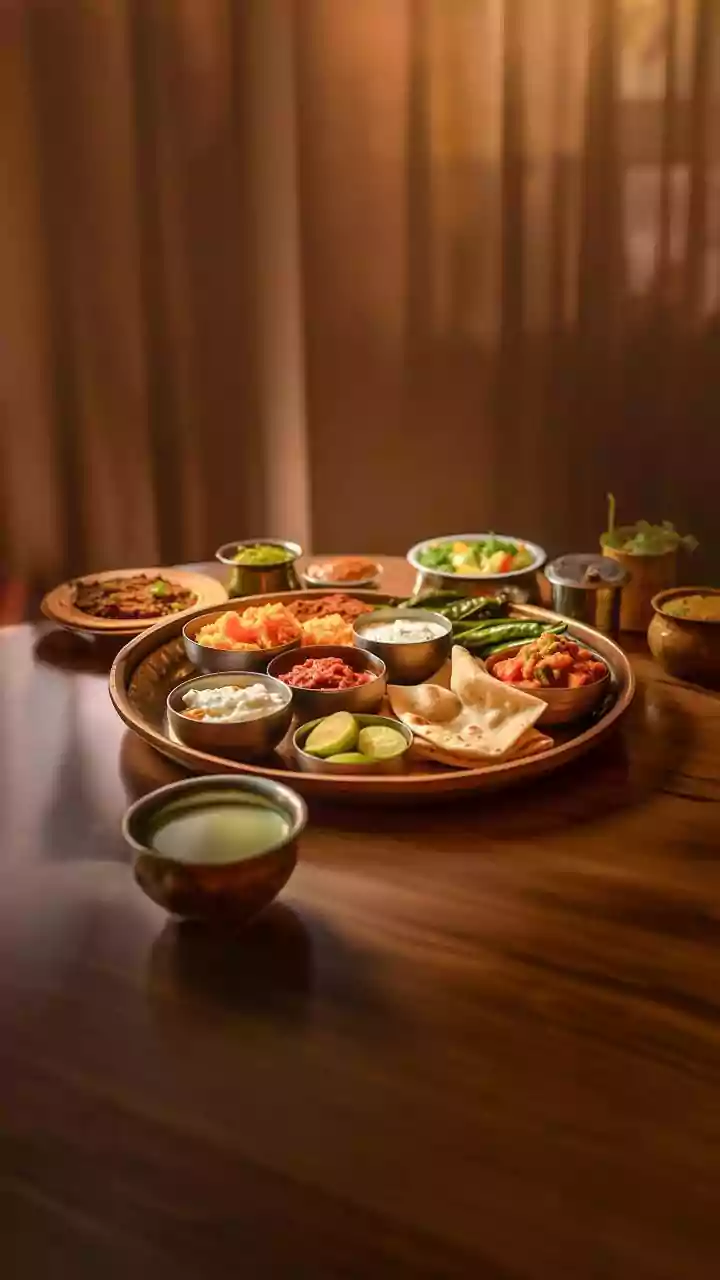
Dal Bhat, the quintessential Nepali meal, holds a special place in the hearts of Nepalis. This dish generally consists of lentil soup (dal), steamed rice (bhat), and a vegetable curry (tarkari). Often, a side of pickles (achar) and sometimes meat or fish adds complexity. The simplicity of dal bhat hides its nutritional power and deliciousness. The lentils provide protein, the rice offers carbohydrates, and the vegetables contribute essential vitamins and minerals, creating a balanced and satisfying meal. The preparation and spice combinations may vary slightly depending on the region or family recipes, with each version reflecting local tastes and ingredients. The meal is traditionally eaten with the hands, mixing the dal, bhat, and other components together for each mouthful, enhancing the connection with this staple dish. It is a symbol of Nepali hospitality, often offered to guests and cherished in daily life.
Thukpa: Noodle Soup
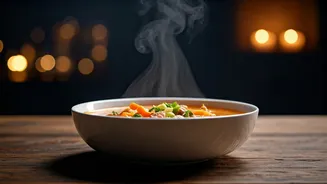
Thukpa, a hearty noodle soup, provides warmth and nourishment, especially in the cold mountainous regions of Nepal. This Tibetan-origin dish, now embraced as part of Nepali cuisine, typically includes thick wheat noodles, vegetables, and meat (often chicken, yak, or mutton) in a flavorful broth. The broth itself is seasoned with a unique mix of herbs and spices, which could include garlic, ginger, turmeric, and other regional ingredients. The hearty nature of thukpa makes it a complete meal, providing carbohydrates from the noodles, protein from the meat, and essential vitamins from the vegetables. Thukpa is often customized based on preference; you may find variations with different types of noodles or additions such as eggs. It is a very popular street food, providing a hot, filling option and reflecting the influence of Tibetan culture on Nepal's culinary landscape. It is particularly popular during trekking, as it’s a filling and sustaining food.
Sel Roti: Sweet Treat
Sel roti is a traditional Nepali sweet, resembling a ring-shaped doughnut. It is made from a batter of rice flour, sugar, and various spices, which is then deep-fried until golden brown. The process requires a certain skill to get the perfect round shape and the right crispiness. The outer layer is usually crisp, while the inside remains soft and chewy. Sel roti is commonly prepared during festivals such as Tihar and Dashain. Its presence highlights the celebratory nature of these occasions. While often enjoyed as a snack or dessert, sel roti also accompanies meals. The addition of cardamom or other spices to the batter gives the sweet bread a unique aroma and taste. Variations exist regarding the amount of sugar or spices included. Sel roti's significance extends beyond its flavor; it symbolizes cultural heritage and the sharing of festive joys.
Gundruk: Fermented Delight
Gundruk is a fermented leafy green vegetable dish, often made from mustard greens, radish leaves, or cauliflower leaves. The fermentation process gives the leaves a distinctive tangy flavor and a unique texture. The greens are first wilted, then tightly packed in an airtight container for several weeks to ferment. Gundruk is a popular ingredient in soups and stews. It adds a sour, slightly pungent note that complements other flavors. The process is a method of food preservation, crucial in regions with limited access to fresh produce. Gundruk is rich in probiotics, adding to its health benefits. The preparation of Gundruk highlights the ingenuity of traditional Nepali food preservation techniques. It is often served with other dishes, providing a contrast to the richness of the main meals. The taste may vary slightly depending on the type of leaves used and the duration of fermentation.
Yomari: Festive Sweet
Yomari is a sweet dumpling, a specialty of the Newari community, prepared particularly during Yomari Punhi, a festival. These dumplings are typically made with rice flour and are shaped like a fig. Inside, they hold a filling of molasses and sesame seeds, which creates a delightful combination of textures and flavors. Yomari is then steamed, giving it a soft exterior and a gooey, sweet center. The making of yomari is a ritual during Yomari Punhi. This festival celebrates the end of the rice harvest and symbolizes prosperity and good fortune. The shape of the yomari is significant, as it is believed to represent the goddess Annapurna, the goddess of grains. Yomari's popularity extends beyond the festival season, and it is a treasured treat throughout the year, demonstrating the cultural depth of Nepali cuisine.
Chatamari: Nepali Pizza
Chatamari is often referred to as the 'Nepali pizza,' which is a thin rice-flour crepe topped with various ingredients. It originated in the Newari community. The base is light and crispy. It is cooked over a hot griddle. Chatamari can be topped with a range of ingredients, from minced meat and eggs to vegetables and spices. This versatility allows for different flavor profiles and caters to various tastes. The popularity of chatamari has expanded beyond Nepal. Its unique blend of flavors and textures and ease of preparation have made it a favorite. The crisp base contrasts with the savory toppings. Chatamari is a delicious snack or light meal, offering a modern twist on traditional flavors. It is a fantastic example of Nepali innovation and adaptation within its cuisine.
Laphing: Tibetan Influence
Laphing is a cold noodle dish that has gained popularity in Nepal. The dish originates from Tibetan cuisine. The noodles are typically made from wheat flour and are mixed with a spicy sauce. It can include vegetables and sometimes meat. Laphing often provides a cooling, refreshing experience, which makes it particularly enjoyable during warmer weather. It's known for its complex blend of flavors, with chili and spices adding heat and vibrancy. It highlights the diversity of Nepali street food. This also shows its capacity to embrace influences from neighboring cultures. The presentation of Laphing may vary, with some vendors adding various toppings like beans or other crunchy elements. It is a straightforward meal that is both filling and flavorful, demonstrating the adaptability of street food in Nepal.
Sukuti: Dried Meat
Sukuti is a dried meat dish, commonly made from buffalo meat, although it can also be prepared with other meats. The process involves marinating the meat with a blend of spices. It is then air-dried or sun-dried to preserve it. Sukuti has a chewy texture and a concentrated, savory flavor, which makes it a great snack or accompaniment to a meal. The spices used in the marinade vary, often including ingredients like chili, ginger, garlic, and other regional spices. The method of drying meat is an ancient practice, providing a way to preserve food in areas where refrigeration was unavailable. Sukuti is often enjoyed with rice, or as a flavorful addition to soups. Its popularity highlights the importance of preserving meat in the Nepali diet. This also offers a glimpse into traditional food preparation.
Tongba: Fermented Millet
Tongba is a traditional alcoholic beverage, a key element of the culture of the Limbu people of eastern Nepal. It is made from fermented millet. The process involves cooking millet grains and fermenting them, which results in a mild alcoholic content. It is usually served in a bamboo vessel, and hot water is poured over the millet. The drinker consumes the liquid, and the millet continues to ferment, slowly releasing more flavor and alcohol. Tongba is typically enjoyed in social settings. This underscores the drink's role in Nepali culture and gatherings. The beverage is often consumed during cold weather. The fermentation and serving methods differ across regions. Tongba represents a significant aspect of Nepali hospitality and communal celebrations, offering a taste of the country’s traditional beverages.