




What is Static Strength?
Isometric exercise represents a distinct approach to building muscular strength, fundamentally differing from traditional dynamic workouts like squats or push-ups. In these familiar movements, muscles
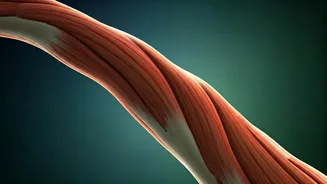
actively shorten and lengthen to facilitate motion. However, with isometrics, the scenario is quite different. Your muscles engage intensely, contracting powerfully, yet your body remains entirely stationary. Think of holding a plank position; your core and other muscles are working overtime, but there's no visible movement. Similarly, a wall sit exemplifies this principle, where you maintain a static squat posture for a sustained period. While the range of motion is absent, the muscular exertion is undeniable and highly effective, offering a potent method for physical conditioning without the need for extensive joint movement.
Why is it Trending Now?
The surge in popularity for isometric exercises can be attributed to their remarkable simplicity and potent effectiveness, making them a viral sensation across the internet. In contrast to high-intensity cardio or conventional strength training that often demands significant physical exertion and can leave individuals feeling depleted, isometrics require minimal to no movement. These static holds effectively build strength without causing extreme fatigue. Research indicates that isometric training can deliver results that are on par with, or even surpass, those achieved through dynamic exercises, all while being incredibly efficient. Furthermore, their low-impact nature makes them exceptionally kind to the joints, presenting an excellent option for individuals managing injuries, arthritis, or any other condition that might restrict their ability to perform more strenuous activities.
Blood Pressure Benefits
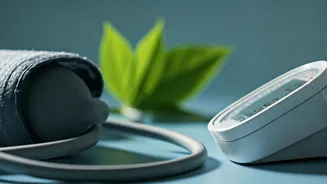
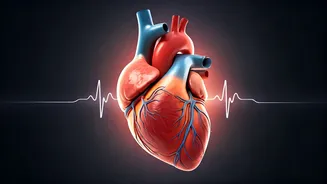
A significant factor contributing to the widespread adoption of isometric exercises is their profound impact on cardiovascular health, particularly in managing blood pressure. A study published in the esteemed British Journal of Sports Medicine in 2023 highlighted the superior efficacy of isometric exercises in lowering blood pressure. The findings revealed that while all forms of exercise contributed to a decrease in blood pressure, isometric training demonstrated a more substantial reduction, averaging an impressive 8.2/4 mmHg. This finding is particularly noteworthy, as managing blood pressure is a key concern for overall well-being and disease prevention. The ability of static exercises to achieve such positive results underscores their therapeutic potential beyond mere physical conditioning.
Time-Efficient Muscle Gain
Beyond blood pressure benefits, research from the University of New South Wales, published in 2021, unveiled the remarkable potential of isometric resistance training (IRT) for enhancing muscular function. Dr. Matthew Jones, an accredited exercise physiologist, noted that IRT is exceptionally safe and can lead to meaningful improvements in blood pressure, comparable to what might be observed with certain blood pressure-lowering medications. Crucially, this method is a boon for individuals facing time constraints. Dr. Jones emphasized that IRT offers a time-efficient way to reduce blood pressure, requiring as little as 12 minutes per day, spread across two to three days per week, to achieve the observed positive effects. While the studies often utilized specialized handgrip devices, the principle could potentially be replicated by simply squeezing a fist with intentional intensity for designated durations, making it feasible to perform while seated, perhaps even during leisure activities like watching television.
Anytime, Anywhere Fitness
One of the most compelling aspects of isometric exercises is their accessibility and inherent versatility. They transcend the need for traditional gym equipment or dedicated fitness spaces. Whether it's holding a wall sit against a sturdy vertical surface, maintaining a plank on any flat ground, or performing a dead hang from a doorway, the options are plentiful and adaptable to your surroundings. This inherent flexibility makes them a perfect fit for even the most demanding and busy schedules. The data suggests that a concentrated effort of around 14 minutes, performed thrice weekly, can yield substantial and noticeable improvements in overall health. This makes achieving fitness goals and reaping significant health advantages more attainable than ever before.