





Pre-Wash Suitability Check
Before embarking on your home dry-cleaning journey, it's crucial to assess whether your garment can handle at-home treatment. Begin by scrutinizing the care label. If it explicitly states 'Dry clean only,'
proceed with extreme caution. An essential test involves a discreet ink or dye check: dampen a clean white cloth and gently press it against an inconspicuous area of the garment, such as an inner pocket seam. If any color transfers to the cloth, it's a clear indication that professional cleaning is necessary to prevent color bleeding. Furthermore, certain materials are simply not suited for home care. Avoid attempting to clean leather, suede, or fur items, as these require specialized treatments and oils typically employed by professional cleaners to maintain their texture and integrity.
Gentle Hand-Washing Technique
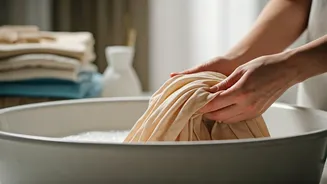
When it comes to hand-washing items that would normally be dry-cleaned, coolness and gentleness are paramount. Fill your sink with cool, not warm or hot, water. Elevated temperatures can cause delicate fibers, especially those found in wool and silk, to shrink and lose their shape. Select a mild detergent; a small amount of baby shampoo or a specialized wool-wash detergent works best. Avoid harsh chemicals that could damage the fabric. Submerge your garment and gently agitate the water, allowing the detergent to work. Crucially, do not rub or scrub the fabric against itself or other items, as this can abrade and ruin the material's finish. After washing, drain the soapy water thoroughly and rinse the garment multiple times with cool water until all traces of suds are gone. Proper rinsing ensures no detergent residue remains, which can attract dirt and affect the fabric's feel.
The Towel Drying Method
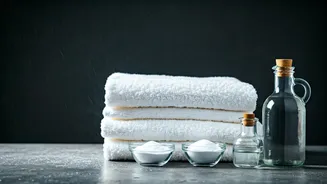
Preserving the shape of your freshly washed delicates is essential, and the 'towel roll' method is your best ally. Never wring out excess water from your garments, as this action can severely stretch and distort the fabric fibers. Instead, lay the wet garment flat onto a clean, dry white towel. Carefully and tightly roll the towel, with the garment inside, into a cylindrical shape. Once rolled, gently press down on the towel roll. This action effectively transfers the excess moisture from the clothing into the absorbent towel. After this, unroll the towel and carefully transfer the damp garment to a drying rack. Hanging wet clothes on hangers is strongly discouraged, as the weight of the water can cause the shoulders to stretch and develop unsightly 'ears' or permanent shape distortions.
Leveraging Machine Steam Settings
Modern washing machines offer innovative features that can significantly simplify garment care. If your clothes aren't soiled but merely carry an unwanted odor from activities like cooking or smoking, utilize the 'Steam Refresh' or 'Air Wash' cycles. These settings are designed to eliminate odors without a full wash, saving time and protecting delicate fibers. For items that do require washing, such as certain silks or woolens, always protect them by placing them inside a mesh laundry bag. Then, select the 'hand-wash' or 'delicates' cycle on your machine. These cycles use minimal agitation and gentler spinning speeds, mimicking the careful handling you would apply during a hand wash, thus minimizing stress on the fabric.
Final Finishing Touches
To achieve a professional finish at home, a steamer is your go-to tool. While ironing silk with a standard flat iron can lead to shiny marks due to high heat, a handheld steamer effectively removes wrinkles and sanitizes the fabric. Hold the steamer about an inch away from the material, allowing the gentle steam to relax the fibers and eliminate creases. This process not only smooths out wrinkles but also helps to refresh and sanitize the garment. After steaming, allow your clothing to hang in a well-ventilated area to cool down completely before returning it to your wardrobe. This ensures the fabric settles properly and prevents creasing from occurring while it's still warm.