






Yoga for Relief
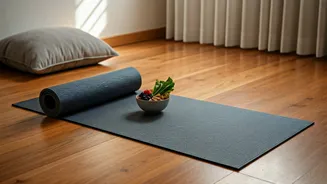
Sciatica, characterized by pain radiating from the lower back down to the legs, often stems from an irritated sciatic nerve due to spinal issues. Fortunately, specific yoga asanas can offer significant
relief. The pigeon pose, in its various forms like reclining, seated, and wall variations, is exceptionally beneficial. Poses such as Eka Pada Rajakapotasana, Yastikasana with bent knees, and Supta Badrasana also aid in alleviating discomfort. For ultimate relaxation and nerve soothing, Viparitakarani and Shavasana are recommended. Incorporating these poses into your routine can help decompress the affected areas and reduce inflammation, offering a natural path to managing sciatic pain.
Dietary Solutions
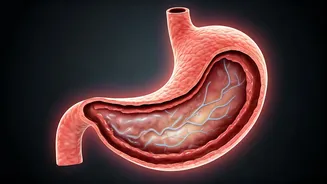
Managing sciatica pain can also be significantly influenced by your dietary choices. Opting for foods rich in anti-inflammatory properties is crucial. This includes vibrant options like pineapple, berries, broccoli, and an abundance of green leafy vegetables. Furthermore, incorporating natural healers such as ginger, turmeric, and garlic into your meals can provide substantial benefits due to their potent healing capabilities. It's also important to consider that prolonged constipation can sometimes be a contributing factor to sciatica. Therefore, increasing your fiber intake through fruits and vegetables is highly recommended. Conversely, it's advised to avoid sugars and sugary beverages, as they are known to exacerbate inflammation. Additionally, certain vegetable oils like sunflower and sesame oil, along with partially hydrogenated oils, fried foods, and junk food, can also contribute to increased inflammation and should be limited.
Optimal Sleeping Posture
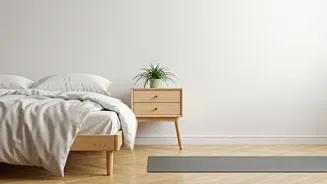
Your sleeping habits and choice of mattress can play a pivotal role in managing sciatica. To avoid exacerbating the condition, it's best to sleep on your side with your legs gently bent. Refrain from sleeping with your legs straight, as this posture places undue pressure on your spine and the sciatic nerve. The firmness of your mattress is also a key consideration. Avoid overly soft beds, which can lead to spinal misalignment, but also steer clear of excessively hard surfaces that may cause discomfort. Finding a balanced, supportive mattress and adopting a side-sleeping posture with bent knees can significantly reduce strain on your sciatic nerve and promote healing.
Movement and Stress Management
Prolonged periods of sitting or standing can place additional strain on your spine and sciatic nerve, potentially worsening sciatica. For individuals whose professions require extended standing, such as teachers or surgeons, it's vital to incorporate short breaks. Aim to sit down for a few minutes every half hour to relieve pressure. Similarly, prolonged sitting can also compress nerves. To counteract this, take brief walking breaks, perhaps for two minutes, every hour. Beyond physical adjustments, emotional well-being is paramount. Mental stress can translate into physical stress on your nerves. Therefore, cultivating a relaxed state of mind and practicing stress-reduction techniques is essential for managing sciatica. Finding joy and maintaining a happy outlook can significantly contribute to your recovery and overall nerve health.