





Ecosystem Interdependence Explained
The very foundation of a healthy ecosystem rests upon the complex relationships between its inhabitants. Every living organism, from the smallest insect to the largest mammal, plays a specific role in this
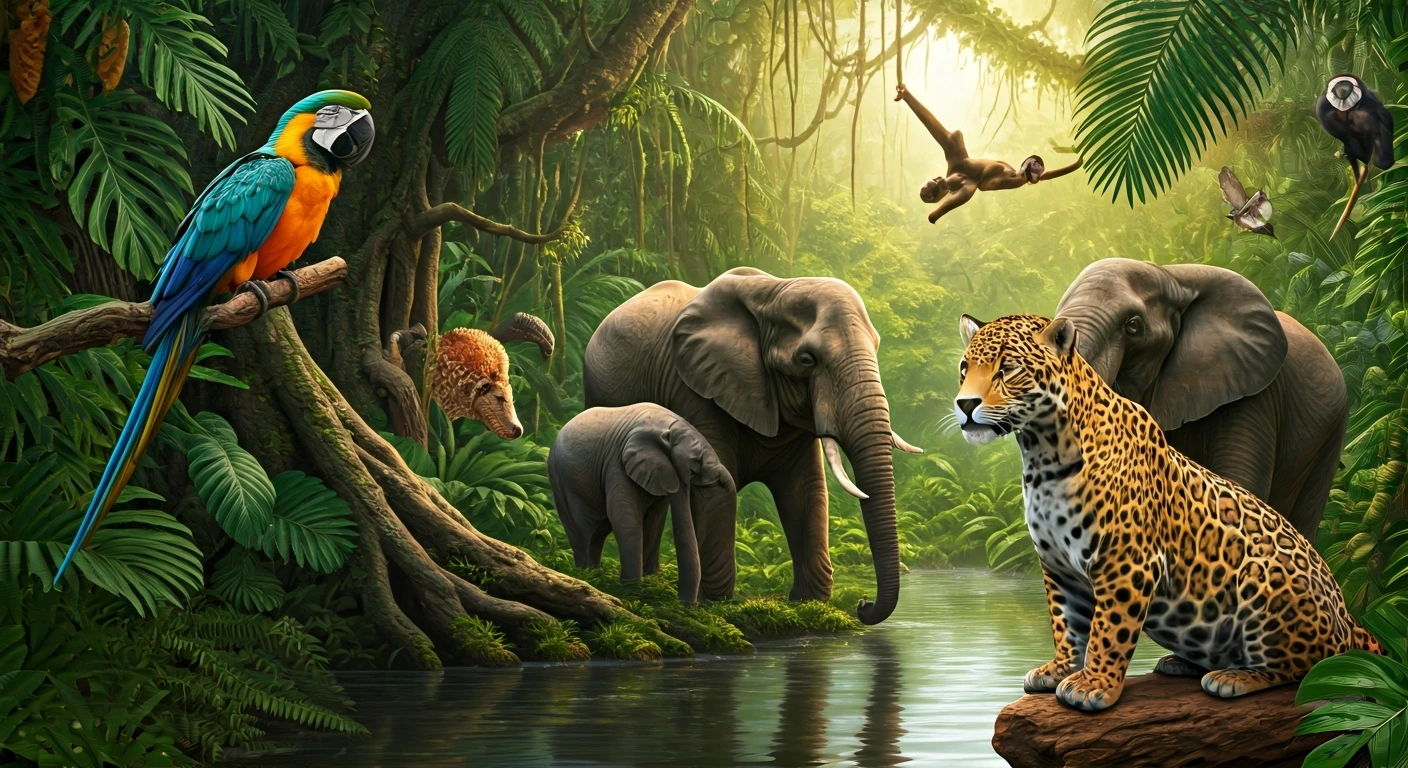
intricate web. Wildlife, as a crucial component, directly influences the dynamics of an ecosystem, affecting factors like pollination, seed dispersal, and nutrient cycling. The GKP mayor’s focus on conservation underscores how the absence of even a single species can trigger a cascade of negative effects throughout the ecosystem. For instance, the decline of pollinators could severely impact plant reproduction, leading to a decrease in biodiversity and affecting the food chain. Wildlife also contributes to the regulation of natural processes. Grazing animals, for example, can control vegetation growth, thereby helping to prevent wildfires. Predators help maintain balanced populations of prey species, preventing overgrazing and protecting plant life. Protecting wildlife is, therefore, an investment in preserving the natural processes that support all life.
Impact of Habitat Loss
One of the most significant threats to wildlife is habitat loss, which includes deforestation, urbanization, and agricultural expansion. When habitats disappear, animals are deprived of shelter, food, and breeding grounds, pushing species toward extinction. The fragmentation of habitats also isolates populations, making it difficult for animals to find mates and maintain genetic diversity. Isolated populations are much more vulnerable to diseases and environmental changes. The GKP mayor understands that conservation efforts must also include measures to protect and restore habitats. Reforestation projects, the establishment of protected areas, and sustainable land management practices can help to mitigate the impact of habitat loss. Educating the public about the importance of habitat conservation and involving local communities in conservation efforts are crucial steps towards long-term sustainability. Moreover, promoting responsible tourism and eco-friendly development can help minimize the negative impacts on wildlife habitats.
Conservation Strategies and Actions
Effective wildlife conservation requires a multifaceted approach, involving various strategies and actions. These measures, championed by the GKP mayor, must address immediate threats and tackle underlying issues to ensure lasting results. The creation and management of protected areas, such as national parks and wildlife sanctuaries, are vital. These areas offer safe havens for animals, providing them with undisturbed habitats and preventing them from human activities. Combating poaching and illegal wildlife trade is another crucial aspect of conservation. Stricter law enforcement, increased patrols, and international cooperation are all required to deter these activities. Supporting research and monitoring programs to understand population dynamics and ecological needs also plays a pivotal role. This information guides conservation efforts, enabling targeted interventions and effective management plans. Furthermore, community involvement is essential. Engaging local communities in conservation initiatives, providing them with economic incentives, and educating them about the importance of wildlife can promote stewardship and foster long-term commitment. By combining these strategies, we can create sustainable conservation programs that protect wildlife for generations to come.
Benefits of Preservation Efforts
The benefits of successful wildlife conservation extend far beyond the direct protection of animals; they positively impact many aspects of human and environmental well-being. Preserving wildlife enhances biodiversity, which strengthens the resilience of ecosystems. Diverse ecosystems are better able to adapt to environmental changes, such as climate change and disease outbreaks. Wildlife conservation also contributes to ecosystem services, such as pollination, water purification, and climate regulation, which are essential for human survival and prosperity. Protected areas and sustainable tourism provide opportunities for economic growth, creating jobs and stimulating local economies. These measures also boost local communities by generating revenue from ecotourism, research, and conservation-related activities. Moreover, conserving wildlife has intrinsic value. The presence of a diversity of species enriches our lives and inspires a sense of wonder and connection to the natural world. It also ensures the survival of species, including the human race, for future generations. Investing in wildlife conservation is, therefore, an investment in a healthier planet and a more sustainable future for everyone.