







The Silent Ache Epidemic
Many individuals experience persistent bodily discomfort, such as stiff backs or tired limbs, even on days free from physical exertion or known injuries. This widespread phenomenon, often dismissed as mere
fatigue from a demanding routine, is frequently an indicator of low-grade inflammation. This internal inflammatory response can be triggered by various aspects of contemporary living, including elevated stress levels, insufficient rest, less-than-ideal dietary patterns, and prolonged periods of physical inactivity. These cumulative lifestyle elements contribute to a state where muscles and joints feel tender and fatigued, signaling that something deeper is at play than simple overexertion. Understanding these subtle signals is crucial for addressing the root causes of this prevalent discomfort and reclaiming a sense of ease in one's body.
Inflammation's Quiet Grip
Inflammation, a vital component of the body's natural defense mechanism, typically activates to repair tissues during injury or infection. However, when this inflammatory process becomes chronic and remains persistently active, it can lead to a cascade of negative effects. This prolonged immune system activation can start to irritate nerve endings and muscle tissues, resulting in sensations of stiffness, soreness, and general fatigue, even in the absence of any discernible physical strain or injury. This explains why individuals might feel achy and unwell after experiencing extended periods of stress or enduring poor sleep. The body, though not physically harmed, maintains a heightened state of immune readiness, contributing to these persistent aches. Medical professionals often observe that many patients presenting with ongoing discomfort show no visible signs of injury on diagnostic scans, pointing towards systemic rather than localized issues.
Stress: The Invisible Culprit
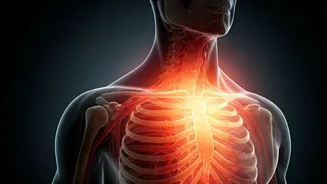
The relentless pace of modern existence rarely allows the body adequate time for genuine rest. Constant work pressures, the overwhelming influx of digital information, and the accumulation of emotional burdens conspire to keep the brain in a perpetual state of alertness. Stress hormones, such as cortisol and adrenaline, are designed to help the body confront challenges. Yet, when stress becomes a persistent condition, these hormones remain at elevated levels, leading to sustained muscle tension and constricted blood vessels. This ongoing physiological tightness can manifest as discomfort throughout the neck, shoulders, and back, often perceived as 'random pain.' This pain, however, is a direct reflection of the body's prolonged stress response, which can significantly contribute to widespread physical discomfort, chronic muscle tension, and fatigue.
Sleep: The Body's Repair Shop
Sleep is a critical period during which the body undertakes essential repair work, replenishes energy reserves, and regulates inflammatory processes. It is during deep sleep stages that the brain effectively clears metabolic waste products and the immune system recalibrates its signaling pathways. When sleep is either too brief or frequently interrupted, this vital restorative process is left incomplete. Consequently, individuals may awaken feeling heavy, stiff, or achy, despite having engaged in no strenuous physical activities the preceding day. The quality of sleep directly impacts the body's ability to recover; insufficient or poor sleep impairs the body's natural healing and pain management systems, exacerbating sensitivity to discomfort and contributing to ongoing aches and fatigue.
Diet's Role in Pain
The impact of dietary choices on body pain is often underestimated, yet it plays a significant role. Consuming meals rich in refined sugars, highly processed foods, and unhealthy fats can exacerbate internal inflammation within the body. These foods can also trigger rapid fluctuations in blood sugar levels, leading to feelings of fatigue and weakness in the muscles. Conversely, adopting a diet abundant in vegetables, fruits, nuts, seeds, and omega-3 fatty acids can help to diminish inflammatory signals. While nutritional adjustments may not offer immediate pain eradication, they profoundly influence how the body responds to stress and manages its recovery processes, contributing to overall well-being.
The Strain of Sedentariness
Prolonged periods of sitting represent another frequently overlooked contributor to everyday bodily discomfort. The nature of modern work, extensive screen usage, and daily commutes often necessitate remaining seated for a substantial portion of the day. When muscles are held in the same static position for extended durations, their flexibility diminishes, and blood circulation becomes impaired. This immobility particularly affects the neck, shoulders, lower back, and hips, leading to muscle tightening and the development of localized tension points that result in persistent aches. Incorporating regular movement, even brief breaks every hour to shift position and stretch, can significantly help in resetting muscle tension and alleviating discomfort.
Hidden Deficiencies and Illnesses
Sometimes, persistent body aches can be a symptom of more profound underlying health issues, rather than solely a consequence of lifestyle strain. Deficiencies in essential nutrients such as vitamin D, vitamin B12, or iron can manifest as generalized fatigue and widespread bodily pain, as these micronutrients are critical for nerve health, proper muscle function, and efficient energy production. Furthermore, conditions like thyroid disorders, early stages of diabetes, or autoimmune diseases may initially present with subtle symptoms, including persistent body aches that go unexplained. Medical professionals often identify these hidden causes through blood tests, as patients may experience months of unexplained discomfort before the true underlying condition is diagnosed.
Simple Habits for Recovery
Fortunately, the discomfort associated with everyday body aches often responds favorably to straightforward adjustments in daily habits. Maintaining regular physical activity ensures muscles remain flexible and enhances blood circulation, crucial for reducing inflammation and soreness. Engaging in gentle activities like stretching, walking, or yoga can effectively relax tense muscles. Improving sleep hygiene by establishing consistent sleep schedules and reducing evening screen time allows the body to complete its essential repair cycles. Effective stress management techniques, including deep breathing exercises, meditation, or spending time outdoors, can calm the nervous system and alleviate built-up tension. Crucially, paying attention to persistent physical symptoms and seeking timely medical advice can prevent minor issues from escalating into more significant health concerns.