





Menu Resurrections Emerge
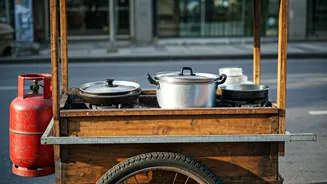
Kolkata's culinary scene is experiencing a welcome shift as restaurants begin to reinstate dishes that had been temporarily removed due to the severe commercial LPG shortage. For weeks, establishments
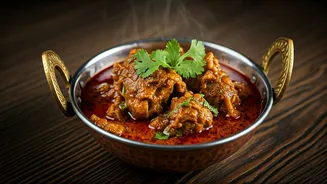
were forced to conserve fuel, leading to the removal of time-consuming preparations like mutton curries and tandoori specialties. The recent, albeit limited, resumption of LPG supply to approximately 30% of restaurants has brought immense relief. This partial restoration means that lengthy cooking processes are once again viable, allowing chefs to bring back a wider array of culinary offerings and restore a sense of normalcy to their menus. The impact of this limited supply is profound, enabling restaurants to move away from heavily relying on electric alternatives for all cooking, thereby restoring the full scope of their culinary capabilities.
Operational Flexibility Returns
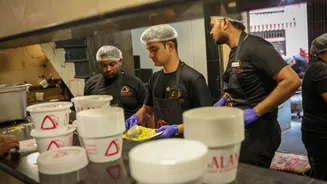
The return of even a limited commercial LPG supply has significantly eased operational constraints for Kolkata's restaurateurs. Previously, many establishments had to drastically curtail their operating hours or shift a substantial portion of their cooking to electric appliances, which presented its own set of challenges, including potential load issues. With LPG now available to supplement electric cooking, businesses can operate with greater flexibility. While some, like buffets, may still be on hold until supply fully normalizes, the overall ability to prepare a diverse menu has improved. This allows for a more robust dining experience and greater customer satisfaction, moving past the difficult period of menu simplification and reduced service.
Black Market Price Surge
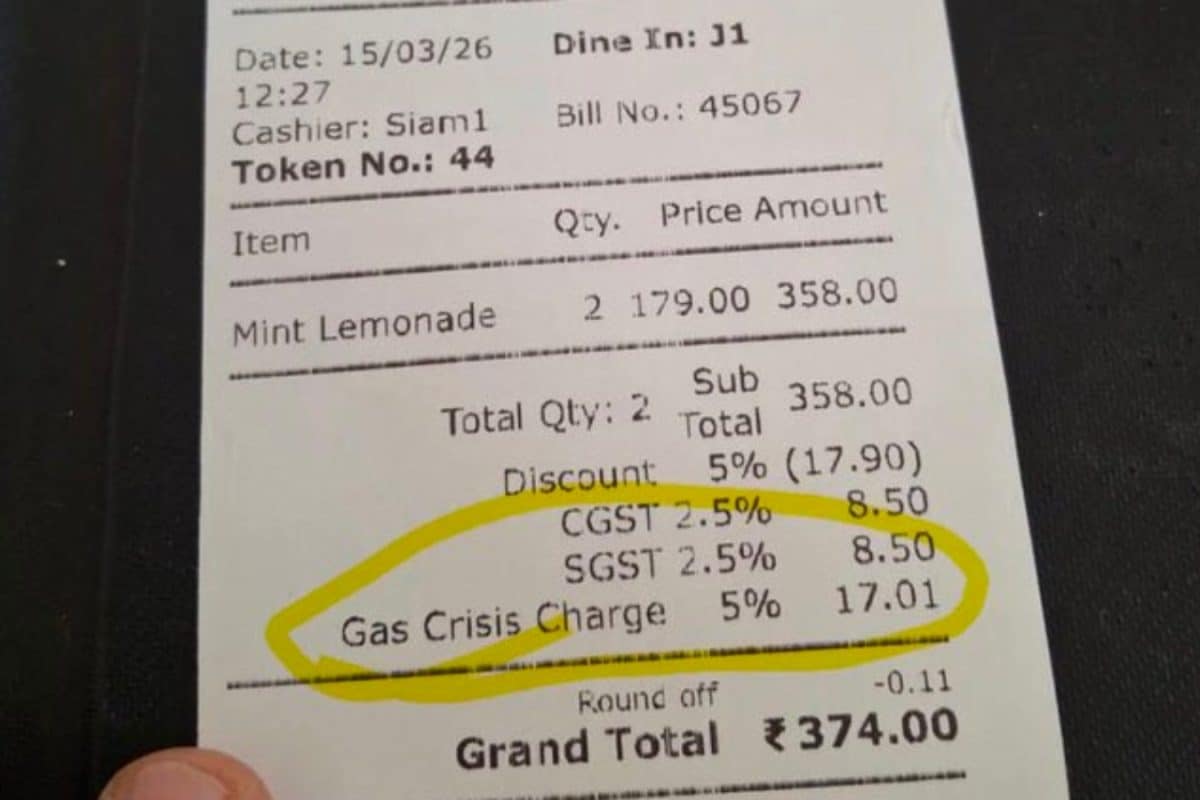
Despite the partial relief from the LPG shortage, a significant challenge remains: the exorbitant cost of commercial LPG cylinders in the black market. Reports indicate that prices have nearly tripled, with some restaurateurs forced to pay astronomical sums, such as Rs 8,500 for a cylinder that officially retails for around Rs 2,000. This inflated pricing makes it economically unfeasible for many businesses to operate at full capacity or take on large catering orders. Consequently, some establishments have opted to cease taking new orders altogether, while others remain cautious about accepting substantial bookings until the commercial supply chain normalizes completely and prices return to sustainable levels.