



The Mysterious Sugar Urge
It's a common scenario: you've just finished a meal, you're not feeling hungry, yet a strong desire for something sweet emerges. This persistent craving, often dismissed as habit or preference, can actually
be a sign from your body that something is amiss in your diet. Scientific insights suggest that these post-meal sugar cravings could be an indicator of a metabolic imbalance, particularly linked to what was consumed during the meal. Understanding this connection can be the first step towards addressing the root cause rather than simply indulging the craving.
Blood Sugar Rollercoaster Explained
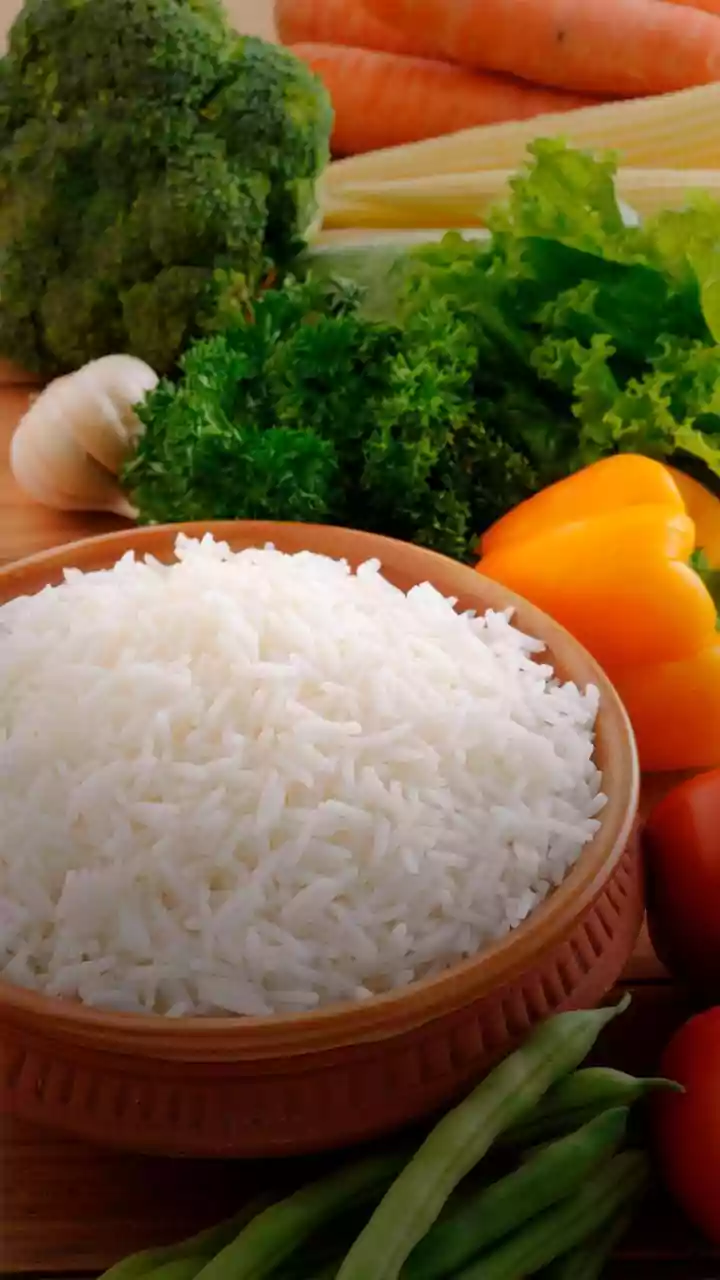
Many common meals, especially those rich in refined carbohydrates like rice or roti, cause a rapid increase in blood sugar levels. The body's natural response is to release insulin to bring these levels back down. However, if a meal lacks sufficient protein and fiber, this blood sugar spike can be followed by an equally rapid drop. This sudden decline can trick your body into thinking it needs an immediate energy boost. The brain, seeking the quickest energy source, interprets this as a signal to crave sugar. This phenomenon, sometimes referred to as reactive hypoglycemia, manifests not as a medical diagnosis for most, but as an undeniable urge for something sweet shortly after eating.
The Protein Powerhouse
A significant contributor to these persistent post-meal sweet cravings is often an insufficient intake of protein. Beyond its role in muscle building, protein plays a vital part in how your body processes food. It has a remarkable ability to slow down digestion, helping to stabilize blood sugar levels and promote a lasting feeling of fullness, something carbohydrates alone cannot achieve. When protein is scarce in a meal, the body misses out on these crucial satiety signals. This prompts the brain to seek out readily available energy sources, primarily sugars. Studies indicate that incorporating around 20–30 grams of protein into meals can significantly curb these post-meal desires, emphasizing quality over quantity when it comes to eating.
Gut Health's Sweet Influence
Your gut microbiome also plays a role in your food preferences. The diverse community of bacteria in your intestines adapts to the foods you regularly consume. Diets that are heavy on simple carbohydrates tend to foster an environment where sugar-loving bacteria thrive. Consequently, if your meals consistently feature a high proportion of refined carbs and a low amount of protein, your gut bacteria might start to subtly influence your cravings, nudging you towards sugary options. This isn't purely a matter of willpower; it's a biological response that can reinforce a pattern of seeking out sweets.
Beyond Biology: Learned Behavior
While nutritional factors are significant, it's important to acknowledge that after-meal sweet cravings can also stem from learned behavior. For many, dessert becomes a reward associated with the end of a meal. Over time, the brain links the completion of eating with a pleasurable experience, often involving a small release of dopamine, which reinforces the habit. However, even these psychological connections can be influenced by biological stability. When your blood sugar levels are well-regulated, the urge to seek this psychological reward may lessen, making it easier to manage both biological and behavioral cravings simultaneously.
Strategies for Breaking the Cycle
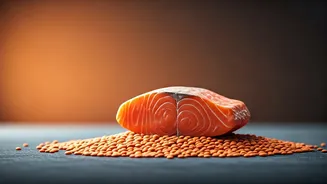
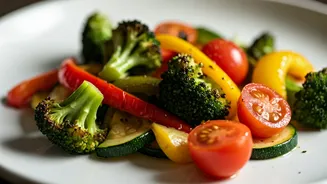
Overhauling your diet doesn't necessarily mean eliminating sweets entirely, which is often unsustainable. Instead, focus on making strategic dietary shifts. Prioritizing protein-rich foods like eggs, lentils, paneer, tofu, or fish in your meals can profoundly impact your post-meal satisfaction. Pairing these with fiber-rich vegetables further aids in slowing digestion beneficially. Staying adequately hydrated is also crucial, as mild dehydration can sometimes be mistaken for a craving. Furthermore, sufficient sleep is vital, as fatigue can disrupt hunger hormones and drive the body to seek quick energy from sugar. Addressing the habit component by consciously unlinking the end of a meal from an automatic sweet treat is also key to long-term success.