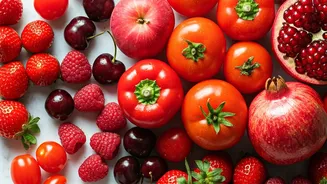







The Red Food Advantage
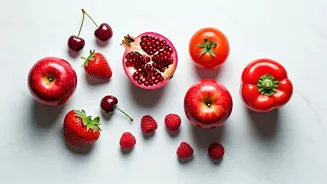
Beyond their appealing visual presence, red fruits and vegetables are nutritional powerhouses, packed with compounds that actively safeguard our hearts. These vibrant foods are brimming with beneficial
elements like lycopene, anthocyanins, and flavonoids. These active ingredients work diligently to combat inflammation, bolster the integrity of our blood vessels, and help maintain a healthy balance of cholesterol levels in the body. Research, including studies highlighted by the US National Institutes of Health, consistently shows that a diet rich in fruits and vegetables is a key factor in reducing the overall risk of cardiovascular issues, illustrating a direct link between the bright colours on our plates and robust internal health.
Tomatoes: Lycopene's Champion
Often relegated to a supporting role in salads and curries, tomatoes are a premier source of lycopene, a potent antioxidant strongly associated with a reduced incidence of heart disease. Interestingly, the process of cooking tomatoes, whether simmering in a sauce or baked into a dish, actually enhances the body's ability to absorb lycopene, making cooked tomato products even more beneficial. A simple tomato-based meal can therefore offer substantial cardiovascular advantages. Publications, such as one in the journal Biology, have noted that consistent consumption of tomatoes correlates with improved cholesterol profiles, underscoring the heart-protective capabilities of this common kitchen staple.
Watermelon's Cooling Benefits
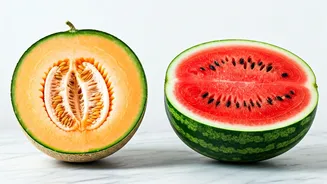
More than just a refreshing treat, particularly during warmer months, watermelon contains citrulline. This unique amino acid plays a crucial role in enhancing blood circulation throughout the body. Improved blood flow translates to reduced stress on the heart and contributes to better regulation of blood pressure, a vital factor in maintaining cardiovascular health, especially when hydration levels can fluctuate. Research has indicated a connection between citrulline intake and enhanced vascular function, reinforcing watermelon's quiet contribution to a healthy circulatory system.
Strawberries: Antioxidant Powerhouse
These small, delicate fruits pack a significant punch with their rich concentration of anthocyanins, powerful antioxidants that combat oxidative stress. This cellular damage is a primary driver of heart disease. Regular inclusion of strawberries in one's diet has been linked to favourable outcomes, including lower levels of LDL (bad) cholesterol and improved arterial health. A notable study conducted by Harvard, with support from the US government, observed that women who regularly ate strawberries experienced a reduced risk of heart attacks, demonstrating that even small foods can have a profound impact on well-being.
Red Capsicum's Nutrient Richness
Often overshadowed by its greener and yellower counterparts, red capsicum (bell pepper) offers exceptional nutritional value, particularly for heart health. It is an abundant source of vitamin C and beta-carotene, both essential for maintaining the health and resilience of blood vessels and for their anti-inflammatory properties. Furthermore, research published by the NIH indicates that the seeds of peppers are surprisingly rich in antioxidants, often exceeding those found in many other vegetables within their category, adding another layer to their health benefits.
Pomegranate's Ancient Wisdom
For centuries, pomegranate has been a cherished part of traditional diets, and modern scientific inquiry is now validating its long-held reputation for supporting heart health. This fruit is laden with polyphenols, compounds that actively work to inhibit the buildup of plaque within the arteries. By promoting better blood circulation and helping to lower blood pressure, pomegranate offers comprehensive cardiovascular support. Organizations like the National Center for Complementary and Integrative Health recognize pomegranate's significant role in maintaining a healthy heart.
Cherries for Inflammation Control
Especially the tart varieties, cherries are a remarkable source of anthocyanins, the same beneficial compounds found in strawberries. These compounds are instrumental in managing inflammation, a process closely intertwined with the development of heart disease. Beyond their anti-inflammatory action, cherries also contribute to improved sleep quality due to their natural melatonin content, and better sleep indirectly bolsters cardiovascular health. Studies supported by the US National Library of Medicine have shown a reduction in inflammatory markers following cherry consumption, highlighting their holistic benefit.