




Inflated Prices Emerge
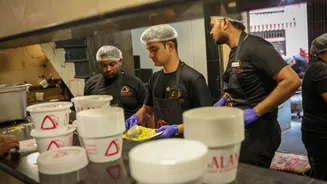
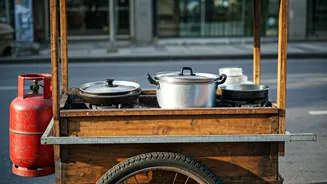
The consistent disruption in the supply of commercial Liquefied Petroleum Gas (LPG) cylinders has created significant operational hurdles for numerous hotels, eateries, and street food vendors throughout
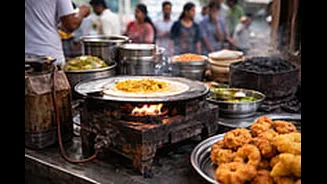
Vijayawada. To counteract the escalating expenses, many establishments are left with no choice but to revise their menu tariffs upwards. With the regular supply chain proving unreliable, a substantial number of businesses are compelled to acquire LPG cylinders from unofficial sources at considerably higher prices. This has led to a noticeable increase in the cost of popular dishes; for instance, a plate of biryani, which previously cost ₹150, is now being sold for ₹200. Similarly, the prices for tiffin items have seen a substantial jump, moving from ₹40 to ₹60, representing an increase of nearly 50% for consumers. This direct correlation between gas prices and food rates is a primary concern for both business owners and patrons, as highlighted by local residents who frequent popular food hubs.
Operational Adjustments Made
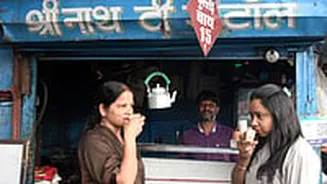
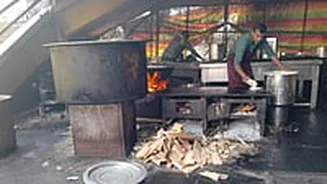
Beyond the direct impact of higher LPG acquisition costs, the ongoing cylinder crisis has forced many food businesses to implement significant operational adjustments. Tea stalls, for example, have had to scale back their offerings, with some discontinuing 'special chai' due to the increased gas consumption it requires. A vendor explained that preparing 'special chai' involves frequent, fresh brewing, which demands more gas, unlike regular chai that can be prepared once and served in multiple cups throughout the day. For restaurants, the situation has led to unforeseen logistical complications. Some owners have resorted to using firewood as an alternative fuel source, which, while providing a temporary solution, also escalates overall expenses and introduces new challenges in terms of procurement and handling. Industry insiders are warning that if these supply issues persist, the very sustainability of many food businesses in the city could be jeopardized, potentially leading to further price increases or reduced operational capacity.
Future Uncertainties Loom
Industry representatives have acknowledged that the current menu price adjustments are an unavoidable consequence of the surge in fuel costs directly influencing food preparation expenses. They have expressed concern that the prolonged scarcity of commercial LPG cylinders could force more establishments to either implement further tariff hikes or significantly reduce their scale of operations. This situation underscores the critical need for a stable and consistent distribution of LPG cylinders to ensure the continued viability of food businesses and to shield consumers from escalating prices. The ongoing crisis highlights the delicate balance of the food service industry and its dependence on reliable resource supply chains for its everyday functioning and long-term survival.