



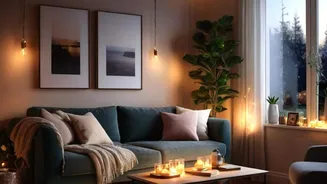
Warm Up Lighting
Transitioning to warmer light sources is a surprisingly effective way to alter your home's atmosphere and impact your well-being. Harsh, cool-toned artificial light, often from fluorescent or certain LED
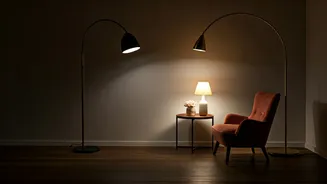
bulbs, can inadvertently contribute to feelings of stress and make indoor environments feel stark or overly clinical. By swapping these out for bulbs with a warmer color temperature, typically in the 2700K to 3000K range, you can cultivate a significantly more relaxing and inviting ambiance. Consider integrating dimmer switches or strategic placement of table lamps to provide versatile lighting options that can be adjusted throughout the day, allowing you to tailor the brightness and mood to your specific needs. This adaptability is key, as appropriate lighting can help your body naturally wind down in the evenings, signaling a transition towards rest, and generally makes your home feel more welcoming and lived-in, enhancing its overall comfort and appeal. Soft, adjustable lighting also has the added benefit of accentuating colors and textures within a room, making decorative elements like wallpaper more visually engaging, especially during evening hours.
Declutter for Calm
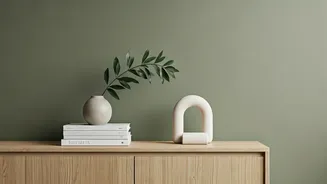
Visual clutter in your living space can directly translate into mental clutter, leading to feelings of overwhelm and distraction. To combat this, it's beneficial to intentionally curate the decorative items displayed in your home, opting for fewer, more meaningful pieces that genuinely bring you joy. Rather than filling surfaces with numerous small objects, focus on selecting a few select items that resonate with you personally. Furthermore, introduce elements of comfort and warmth through tactile textures. Incorporate soft throws, accent cushions made from natural fabrics like linen or cotton, or a well-chosen rug that adds visual interest and coziness without creating an overly busy look. This approach to decor emphasizes a sense of calm and order, allowing your eyes to rest and promoting a more peaceful mental state. The idea is to create an environment that feels serene and thoughtfully arranged, rather than chaotic and overstimulated, thereby supporting a more focused and relaxed state of mind.
Revitalize Bedding
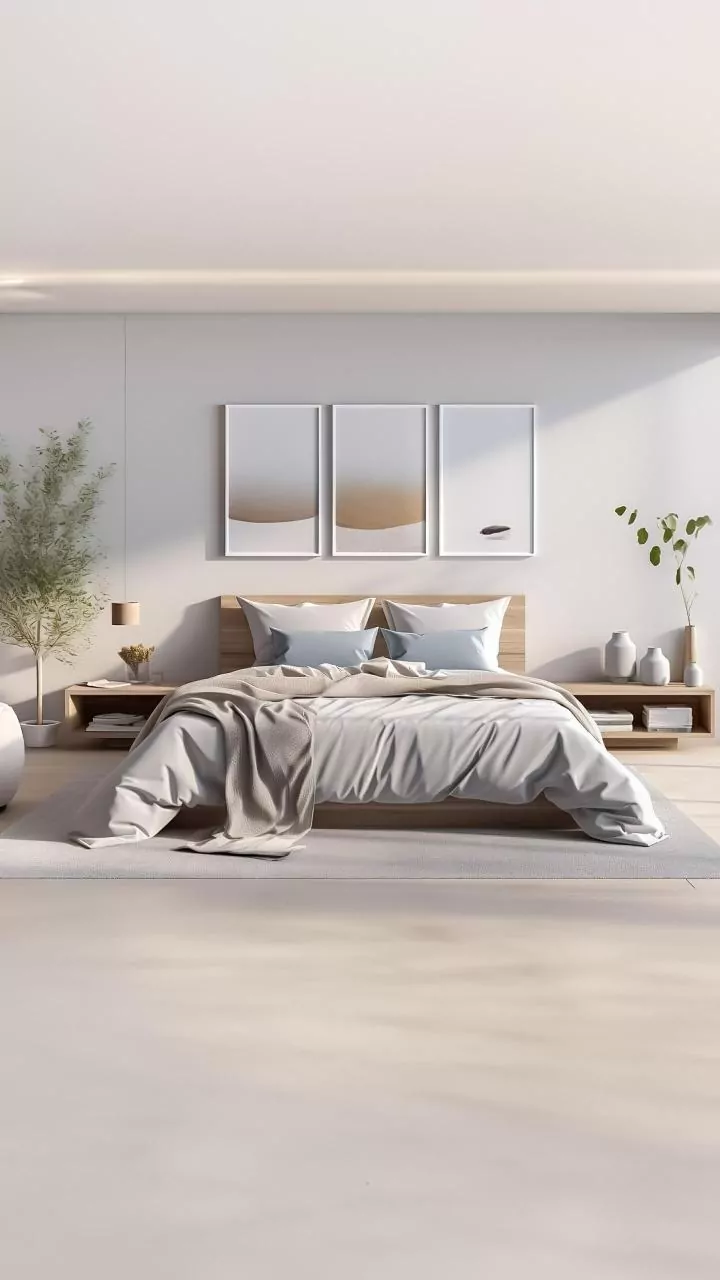
The quality of your sleep is fundamentally linked to how you feel and function throughout the day, and your bedding plays a crucial role in achieving restorative rest. Old pillows that have lost their loft and support can impede comfort, while synthetic bedding materials might not regulate temperature as effectively as natural options. To enhance your sleep experience, consider investing in fresh, breathable bedding made from natural fibers such as cotton or linen. These materials are known for their superior temperature-regulating properties, helping to keep you comfortable throughout the night. The act of replacing worn-out bedding with new, clean linens is a simple yet profound way to improve your morning disposition and overall sense of well-being. Opting for lighter fabrics and perhaps softer, spring-appropriate colors can also contribute to a more tranquil bedroom environment, making the transition from sleep to wakefulness a more pleasant and energizing experience. This refresh directly impacts your daily mood and productivity.
Introduce Greenery
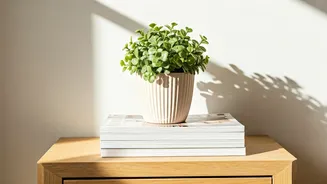
Integrating houseplants into your home offers a dual benefit of enhancing aesthetics and improving your indoor environment. Beyond their decorative appeal, many plant varieties possess air-purifying qualities, actively filtering out common pollutants and contributing to better air quality. The presence of living plants also injects vitality and color into a space, creating a more dynamic and refreshing atmosphere. For individuals new to plant care, selecting low-maintenance varieties such as snake plants, pothos, or peace lilies is a practical approach. Strategically placing these plants in rooms where you spend the most time, whether it's your living area, bedroom, or home office, can have a noticeable impact on the ambiance. Even a single, well-placed plant on a bedside table or shelf can introduce a touch of nature, fostering a sense of balance and tranquility. This simple addition reinforces the feeling of a refreshed space, connecting your interior with natural elements.
Streamline Routines
Optimizing high-traffic areas within your home is essential for reducing daily friction and mental fatigue, thereby streamlining your routines. Take a close look at frequently used spaces like your entryway, kitchen counters, or work desk to identify opportunities for improved organization. Installing hooks near the door for convenient storage of keys and bags can prevent morning scrambles. Establishing a dedicated charging station for your electronic devices ensures they are always ready when needed. Similarly, setting up a functional coffee or tea station, with all necessary items easily accessible, can make daily rituals smoother. These seemingly small organizational adjustments minimize the constant minor obstacles and search efforts that consume mental energy throughout the day. When your living space is organized to support your actual habits and needs, everyday tasks feel significantly less demanding, freeing up cognitive resources and contributing to a more peaceful and efficient lifestyle.