





Ghee Safety Alert
The Food Safety and Drug Administration (FSDA) has issued a significant alert, declaring six popular brands of desi ghee as unfit for consumption within the Aligarh district. This decision stems from rigorous
quality testing that revealed these products failed to meet safety standards. As a direct consequence, the manufacture, sale, and storage of these identified ghee brands have been officially prohibited. Reports indicate that samples from these brands did not pass crucial quality assessments, leading to their classification as unsafe. The action highlights the critical importance of vigilance in food safety, especially concerning staples like ghee, which is a cherished part of Indian cuisine and Ayurveda. Consumers are strongly advised to be aware of this ban and to exercise caution when purchasing ghee products, paying close attention to brand integrity and quality assurance.
Why Purity Matters
The importance of ensuring ghee purity cannot be overstated, as adulterated ghee can pose significant health hazards. Often, impurities such as vanaspati (hydrogenated vegetable fats), starch, animal fats, or even synthetic colorants are introduced, compromising both nutritional value and safety. Ingesting ghee containing starch or soapstone can lead to digestive distress, including bloating, stomach discomfort, and diarrhea. A more insidious form of adulteration involves mixing ghee with vanaspati or hydrogenated oils, which are laden with trans fats. These harmful fats are known to elevate levels of low-density lipoprotein (LDL) cholesterol, reduce beneficial high-density lipoprotein (HDL) cholesterol, and substantially increase the risk of developing heart disease. Beyond these chemical adulterants, cheaper alternatives like refined vegetable oil or animal body fat are sometimes used. The presence of synthetic flavoring agents can also mask the true quality of the product. Therefore, consuming adulterated ghee not only deprives you of its inherent health benefits but exposes you to potentially severe health risks.
Spotting Pure Ghee
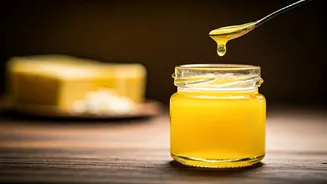
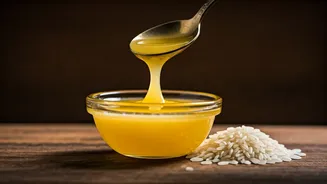
Distinguishing pure ghee from its adulterated counterparts involves a multi-faceted approach, utilizing sensory cues and simple home-based tests. Begin by observing the ghee's appearance and texture; pure ghee typically exhibits a rich, golden hue and a smooth, creamy consistency. When held up to a light source, it should appear clear and translucent. A pale color might signal the presence of preservatives, making it advisable to avoid. Examine the packaging and label diligently; genuine brands will prominently display regulatory compliance certificates, license numbers, and clear packaging and expiry dates. The aroma and flavor are also key indicators. Pure ghee possesses a pleasant, nutty fragrance and a mild taste. It should never emit a burnt smell, as its high smoke point prevents charring during proper preparation; a burnt odor could suggest added water or inferior ingredients. For practical testing, the palm test is effective: place a small amount of frozen ghee on your palm; if it melts almost instantly, it's likely pure. Conversely, if it remains solid or melts slowly, it may be adulterated. The water test involves adding ghee to room-temperature water; pure ghee floats, while adulterated ghee sinks. The salt test requires mixing ghee with salt and a pinch of hyaluronic acid; a red coloration after 20 minutes indicates adulteration. Lastly, the iodine test involves adding a couple of drops of iodine solution to ghee; a purple discoloration signifies the presence of starch.
Homemade Ghee Recipe
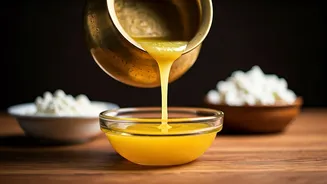
Creating your own pure ghee at home is a rewarding process that ensures quality and freshness. You'll need about 1 kg of homemade malai (cream), 2 cups of ice-cold water, and approximately half a tablespoon of curd (yogurt). Begin by collecting and storing your homemade malai for about 30 to 35 days, or until you have accumulated approximately 1 kg. Gently warm the stored malai until it reaches a lukewarm temperature. At this stage, stir in the curd, cover the container, and allow it to ferment for 8 to 10 hours. Following fermentation, refrigerate the mixture for at least 12 hours to firm it up. Once chilled, use a hand churner to vigorously churn the solidified milk solids. Continue churning until you achieve a light and fluffy butter. Now, gradually add the 2 cups of ice-cold water while continuing to churn, which helps in separating the butter from the buttermilk. Carefully collect the butter and set aside the buttermilk; this buttermilk can be consumed as a refreshing drink or used in recipes like cheela or kadhi. Transfer the separated butter into a heavy-bottomed pan. Simmer this butter over a low flame, stirring occasionally, until a clear, golden liquid begins to form, which is your pure ghee. Allow the ghee to cool down completely before straining it. Store your homemade ghee in an airtight glass jar or a steel container for long-lasting freshness.