





Ripening Science Explained
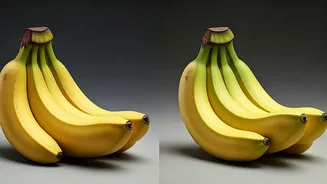
Fruits continue their maturation process even after being separated from the plant, a phenomenon driven by a natural plant hormone known as ethylene. Some fruits, like apples and bananas, are prolific
ethylene producers, while others are highly sensitive to its presence. Refrigeration effectively slows down this ethylene activity. However, this can be detrimental if a fruit hasn't reached its peak ripeness. Placing an unripened fruit in the cold can halt its development prematurely, preventing it from achieving its optimal flavour and texture. Therefore, it's often recommended to allow fruits to ripen naturally at room temperature first. Once they are perfectly ripe, a brief stint in the refrigerator can then help prolong their freshness for a few additional days.
When Cold is Kind
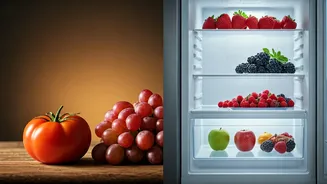
The primary benefit of refrigeration lies in its ability to inhibit the growth of bacteria, a significant factor in food spoilage. This makes the fridge an ideal environment for certain fruits. Items such as apples, grapes, berries, and various citrus fruits benefit greatly from cool temperatures. They tend to maintain their crispness, resist spoilage for longer periods, and generally stay fresher. Cold storage ensures these fruits remain at their best quality for an extended duration, making them a smart choice for refrigerator preservation when their ripening cycle is complete.
Fruits That Shun Cold
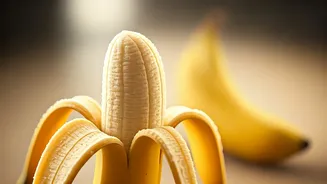
Conversely, not all fruits are fans of chilly conditions. Tropical fruits like bananas, mangoes, papayas, and pineapples can suffer significant negative effects when exposed to low temperatures. The cold disrupts their natural ripening progression, leading to a compromised flavour that is often dull and a texture that becomes uneven or mushy. For instance, a banana placed in the refrigerator might appear normal on the outside but develop an unpleasant soft consistency internally, completely detracting from its intended eating experience.
Smart Storage Strategies
Implementing a few straightforward storage adjustments can significantly extend the life of your fruits without sacrificing their quality. A crucial tip is to wash fruits only immediately before you intend to eat them, as pre-washing introduces moisture that can encourage mould growth. Always ensure fruits are kept dry and have adequate air circulation. It's also wise to keep fruits that produce a lot of ethylene, like apples, separate from those sensitive to it, to prevent premature ripening. Utilizing your refrigerator's crisper drawer can help maintain optimal humidity levels. For any cut fruits, immediate refrigeration in a covered container is essential, adhering to FSSAI guidelines of keeping fridge temperatures below 5°C to slow microbial activity.
Countertop Champions
A simple fruit bowl placed on your countertop serves a dual purpose: it's an attractive display and often the superior storage location for many fruits, especially before they reach peak ripeness. Fruits such as bananas, mangoes, papayas, and pears are best left at room temperature until they are fully ripe. Once ripe, you can transfer them to the refrigerator if you wish to extend their shelf life a bit further, but it's advisable not to keep them there for excessively long periods. Additionally, avoid storing whole fruits in sealed plastic bags at room temperature, as this traps moisture and accelerates decay. Opt for breathable containers like baskets or paper bags instead.