







The Hidden Danger
A recent nationwide study has unveiled a critical, often overlooked threat to individuals with diabetes: significant liver damage. Published in The Lancet Regional Health – Southeast Asia in April 2026,
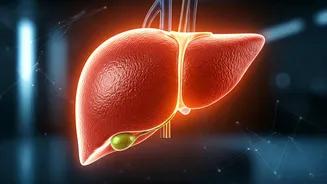
the DiaFib-Liver Study analyzed over 9,000 diabetic patients across 27 healthcare facilities in India. The findings are stark: one in every four diabetics surveyed exhibited clinically significant liver fibrosis, a condition where scar tissue builds up in the liver. Even more concerning, one in twenty may already be experiencing cirrhosis, the most advanced stage of liver scarring, all without presenting any overt symptoms. This silent epidemic is particularly alarming for Gujarat, a state often referred to as India's diabetes capital, suggesting a potentially vast and undetected population suffering from advanced liver disease alongside their diabetes.
Beyond Fatty Liver
What makes these findings particularly unsettling is that the prevalence of liver damage isn't solely linked to fatty liver disease, a common co-morbidity. The study discovered that a substantial 13% of patients who did not show signs of liver fat still had varying degrees of fibrosis. Within this group, a notable 4% even showed indicators consistent with cirrhosis. This suggests that current diagnostic approaches, which may heavily rely on detecting liver fat, could be failing to identify a significant number of high-risk individuals. This revelation necessitates a re-evaluation of how we screen for and manage diabetes complications, as the liver appears to be a more vulnerable organ than previously assumed for individuals managing their blood sugar levels.
A Paradigm Shift
The implications of this study are profound and are set to reshape how diabetes is clinically managed. Historically, routine care has predominantly focused on protecting the eyes, kidneys, and nerves from diabetic complications. However, the research strongly advocates for the liver to receive equal, if not more, attention, especially in regions with a high diabetes burden like Gujarat. Dr. Parag Rana, a diabetologist from Vadodara and a contributor to the study, emphasizes this significant shift, stating that liver disease is emerging as a parallel and often silent threat. He highlights the urgent need to integrate liver fibrosis screening into the standard care protocols for all diabetic patients to facilitate early detection and intervention.
Key Risk Factors Identified
The DiaFib-Liver Study not only illuminated the prevalence of liver damage but also pinpointed several key factors that increase a diabetic's susceptibility to developing liver fibrosis. These identified risk factors include obesity, elevated cholesterol levels, a long duration of diabetes, and diminished kidney function. Understanding these associations is crucial for healthcare providers to better stratify their patients and implement targeted screening strategies. The research, conducted over seven months in community clinics and excluding individuals already undergoing liver treatment, offers a realistic reflection of the challenges faced in real-world diabetes management, underscoring the silent liver disease epidemic that may be unfolding undetected.
Gujarat's Silent Epidemic
For Gujarat, the study issues a clear and urgent warning: a substantial, silent epidemic of liver disease may already be taking root among its diabetic population. The findings suggest that without prompt and significant changes to current screening practices, this growing threat risks going unnoticed. Dr. Niraj Chawda, an MD in medicine, explains the underlying mechanism: diabetes, being a metabolic disorder driven by insulin resistance, leads to fat accumulation in various organs, with the liver being a primary site. The critical issue is the liver's silence; it offers no pain or early warning signals, causing most patients to overlook it until the disease has advanced considerably. Given Gujarat's dietary habits, often rich in carbohydrates and fats and increasingly featuring junk food, the progression from fatty liver to inflammation, fibrosis, and ultimately cirrhosis is a concerning reality.