





A Corridor's Grand Opening
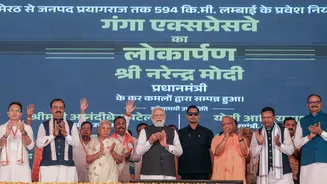
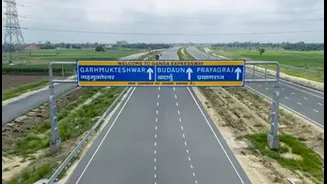
Uttar Pradesh's ambitious Ganga Expressway, stretching an impressive 594 kilometers, has officially commenced operations with its inauguration by Prime Minister Narendra Modi. This vital high-speed corridor
is designed to create a seamless link between Meerut and Prayagraj, traversing through a total of 12 districts within the state. The project represents a significant leap forward in infrastructure development for the region, aiming to revolutionize connectivity and stimulate economic growth across its extensive route. The vision behind this project is to transform travel and trade, making journeys faster, more efficient, and consequently, boosting the overall development landscape of Uttar Pradesh.
Journey & Toll Economics
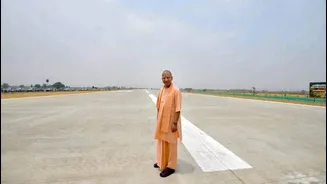
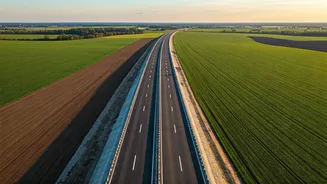
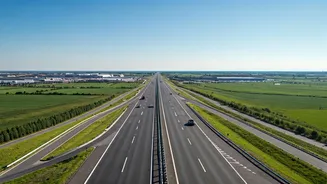
The newly opened Ganga Expressway offers a direct, high-speed conduit connecting Meerut to Prayagraj, promising a markedly reduced travel duration for commuters. For those opting for the full journey, the expected toll charge is approximately ₹1,500 for cars. This tariff translates to roughly ₹2.55 per kilometer, a price point that reflects the premium experience offered. In exchange for this fee, travelers can anticipate a significantly expedited journey, enjoying remarkably smooth road surfaces designed for optimal speed and comfort. Furthermore, the expressway features a fully automated tolling system, eliminating the need for physical stops and ensuring a continuous, uninterrupted flow of traffic, thereby enhancing the overall efficiency and convenience of travel.
Economic Ripple Effects
Beyond its immediate impact on mobility, the Ganga Expressway is poised to act as a powerful catalyst for economic development across the 12 districts it encompasses. The establishment of industrial corridors along its length is anticipated to attract new businesses and manufacturing hubs, fostering job creation and investment. This surge in industrial activity is also expected to lead to a rise in land values in the surrounding areas, presenting new opportunities for real estate development. For the agricultural sector, the improved connectivity means enhanced market access, allowing farmers to transport their produce more efficiently to wider consumer bases, potentially leading to better prices and reduced wastage. Businesses will also benefit from streamlined logistics and quicker delivery times, further stimulating commercial growth throughout the region.