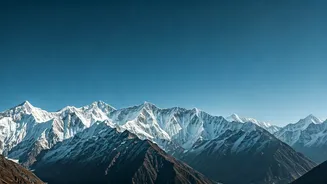








Hopes for Snowfall
The IMD’s recent weather forecast for Kashmir has injected a sense of hope into a region that has experienced a prolonged dry period. This anticipation is significant because snowfall plays a crucial role
in various aspects of life in Kashmir, impacting the environment, the local economy, and the overall spirit of the community. A timely snowfall would be a welcome change, promising improvements in water resources and boosting the winter tourism season. The dependency on snowfall underscores the importance of the IMD’s predictions, which residents anxiously await. The region's economy and ecosystem are greatly reliant on winter snow.
Impact on Water Resources
Snowfall is vital for replenishing water resources in Kashmir. The snow melts in the spring, feeding rivers, lakes, and underground water systems. A scarcity of snowfall can trigger water shortages later in the year, which affects agriculture, domestic water supplies, and hydroelectric power generation. The current dry conditions have heightened concerns about reduced water availability and the potential for a challenging summer season. A favourable snowfall forecast brings much needed relief as it assures that essential water supplies will be recharged, thus reducing the risk of water stress and assisting in the long-term management of water resources in the area. Such recharging ensures the sustainability of local ecosystems and agricultural practices.
Boosting Tourism Industry
The winter tourism industry in Kashmir is closely tied to snowfall. Snow-covered landscapes draw tourists who participate in winter sports such as skiing, snowboarding, and other snow-related activities. The availability of snow directly affects the number of tourists and the revenue generated by hotels, resorts, and local businesses. The anticipation of snowfall is crucial for the tourism sector, as it generates business and helps to revive an industry that has faced challenges. A good snowfall season boosts the local economy by creating jobs and stimulating related industries, enhancing the attractiveness of the region as a preferred tourist destination. Therefore, the IMD’s forecast brings not only environmental implications, but also economic benefits.
Effect on Agriculture
Agriculture in Kashmir also heavily depends on snowfall. Snow acts as a natural insulator, protecting crops from the severe cold and providing the necessary moisture for plant growth when it melts. The dry spell has caused concern among farmers. It might hinder the agricultural cycle, potentially reducing crop yields. A snowfall forecast therefore generates optimism for local farmers, as it suggests the possibility of adequate moisture levels and suitable conditions for healthy crops. The restoration of normal snowfall patterns is essential to safeguarding agricultural productivity and preserving the livelihood of farmers, ensuring food security in the region. The impact, therefore, touches on multiple crucial sectors of Kashmir's economy and social structure.
Community Sentiment
Beyond its environmental and economic impacts, the anticipation of snowfall significantly impacts community sentiment in Kashmir. Snowfall is connected to local culture, festivals, and traditions. For many Kashmiris, snowfall symbolizes winter's arrival and the sense of rejuvenation. The dry conditions have been a source of worry, influencing the atmosphere of the community and the anticipation of better times ahead. The IMD’s positive forecast inspires optimism, evoking a sense of joy and hope for improved circumstances. Community life in Kashmir is interwoven with the seasons, and a good snowfall forecast helps in bolstering the overall morale of the local population, promoting a sense of well-being and a positive outlook for the future.