
Long Commutes Explored
Understanding the concept of commute time is crucial for anyone living in or considering a move to a major Asian city. These long commutes are not just about time wasted; they affect various facets of daily
life, from family time and personal well-being to productivity at work. Infrastructure plays a critical role, as the quality and efficiency of public transportation systems, road networks, and urban planning directly impact how long it takes people to get to work. Factors like population density, traffic congestion, and the distance between residential areas and workplaces contribute to the length of these commutes. Also, the availability of different modes of transport, such as buses, trains, and private vehicles, adds complexity to the situation. The economic and social implications are significant, influencing everything from the job market to the overall quality of life.
City 1: The Challenges
The first city on the list faces considerable challenges in managing commute times. Residents frequently spend a significant portion of their day traveling to work, often due to high population density and limited transport options. The infrastructure, unable to keep pace with rapid urbanization, leads to regular traffic congestion. This, combined with the city's geographical layout, results in lengthy travel times for many workers. The impact extends beyond just wasted time; it contributes to increased stress levels, decreased work-life balance, and environmental pollution. The city authorities are constantly trying to improve public transportation options, enhance road networks, and implement smart city initiatives to mitigate some of these challenges and improve the overall commuting experience for its citizens.
City 2: Infrastructure Woes
In the second city, infrastructure problems are the primary cause of prolonged commute times. The existing public transportation system is often overwhelmed, unable to efficiently accommodate the large number of daily commuters. Road networks are congested, particularly during peak hours, and this results in significant delays. Moreover, the lack of integrated transport solutions forces residents to spend extra time transferring between different modes of transport, extending their overall commute. Urban planning also plays a role, as the separation of residential and commercial areas increases the distance people must travel. This city faces ongoing challenges in improving its infrastructure, including building new metro lines, expanding bus services, and improving traffic management systems to tackle these issues head-on.
City 3: Urban Sprawl
Urban sprawl poses a significant challenge for the third city. The expansion of residential areas far from city centers forces many residents to endure long commutes. Limited public transport options outside the core urban areas mean many people rely on personal vehicles, increasing traffic congestion and travel times. Moreover, the growth of satellite cities that lack adequate infrastructure intensifies the commute burden. The city's authorities are working to create more integrated transport systems, including bus rapid transit and suburban rail services, to ease the strain on commuters. The focus is to make the areas more accessible. Efforts also include promoting mixed-use developments to reduce the necessity for people to travel long distances for work or services.
City 4: Congestion Crisis
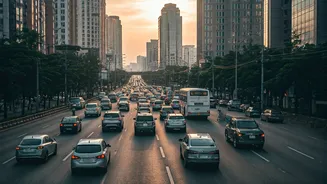
Severe traffic congestion defines the commute experience in the fourth city. The rapid increase in the number of vehicles, coupled with inadequate road capacity, results in frequent traffic jams, particularly during rush hours. This city struggles with its aging road infrastructure and faces constant delays. Commuters often spend hours stuck in traffic, leading to reduced productivity and increased stress. The government is attempting to relieve congestion through the implementation of intelligent traffic management systems, expansion of road networks, and promotion of public transportation. However, it continues to be a tough fight to match infrastructure improvements to the fast pace of urban development and population growth, which is further exacerbating the congestion crisis.
City 5: Limited Options
The fifth city grapples with the issue of having very limited public transport options. The lack of an integrated public transport network forces many commuters to depend on unreliable and overcrowded bus services or to use their own vehicles, contributing to traffic congestion. Moreover, inadequate infrastructure and limited investment in public transport have led to reduced efficiency and longer travel times. Residents often have to contend with packed buses, delayed trains, and unreliable services, making commutes a daily struggle. To mitigate these challenges, the city is exploring options to expand its transport network, including investing in metro lines and expanding bus rapid transit systems to give its citizens better transport.
Cities 6–10 Analysis
The remaining cities on the list present unique challenges and contributing factors, although they share the common issue of protracted commute times. Some face infrastructural shortcomings similar to the previous cities, including road networks unable to keep up with the population's demands. Other cities struggle with urban sprawl, where residential and commercial areas are spread far apart, increasing travel distances. Some cities are affected by traffic congestion due to a high density of vehicles and poor traffic management systems. These cities need to develop tailored solutions to meet their specific needs, improve transport services, manage traffic effectively, and implement smart city programs. These measures will greatly benefit the citizens in each of these cities and create a better quality of life.
Impact on Daily Life
The extended commutes in these Asian cities have a profound impact on the daily lives of residents. This includes reduced time for personal activities, hobbies, and family commitments, leading to increased stress and decreased mental health. The stress associated with long commutes can affect work productivity. The financial implications are also considerable, with increased expenses for transportation, fuel, and car maintenance. Commuters often experience exhaustion and a lack of energy, impacting their overall well-being. Efforts to reduce commute times, such as the implementation of flexible work hours, work from home arrangements, and improved transport infrastructure, are becoming increasingly important in mitigating the adverse effects of extended commutes.
Solutions & Strategies
Addressing the challenges of long commutes requires a multifaceted approach, involving urban planning, infrastructure improvements, and policy changes. Investing in robust public transport systems, including metro lines, bus rapid transit, and suburban rail networks, is key. Implementing intelligent traffic management systems and expanding road networks can also help to ease congestion. Promoting cycling and pedestrian-friendly infrastructure can provide alternative options. Urban planning should concentrate on creating mixed-use developments to minimize the need for long-distance travel. Furthermore, policies such as flexible work arrangements and staggered work hours can provide employees with more time. The collaboration among government, businesses, and residents is crucial to implementing efficient, sustainable solutions.
The Road Ahead
As Asian cities continue to develop and urbanize, addressing the issue of long commutes remains critical. It requires a commitment to sustainable transport, improved urban planning, and policies that focus on work-life balance. Technology plays a crucial role in providing solutions for efficient travel, including real-time traffic updates, smart routing apps, and innovative transport technologies. However, the solutions must be designed to suit the specific requirements of each city. Focusing on the welfare of its citizens and investing in transport systems will improve the standard of living and foster a more sustainable environment. These efforts will promote the well-being of the residents and will improve the overall quality of life across Asia.