






Northern States Unveiled
Delve into the diverse landscapes and cultural richness of India's northern states. This region, encompassing areas like Punjab and Uttar Pradesh, offers a fascinating blend of agricultural bounty, historical
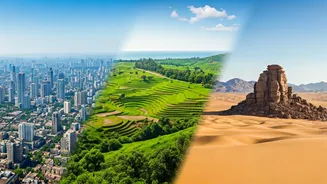
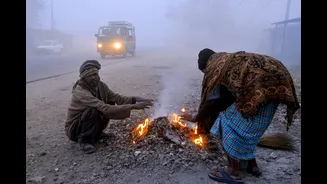
significance, and vibrant traditions. Punjab, often referred to as the 'Granary of India,' is renowned for its fertile plains and hearty cuisine, while Uttar Pradesh, a cradle of ancient civilizations, boasts iconic historical sites and a significant cultural heritage. Rajasthan, known for its royal history and stark desert beauty, presents a unique contrast with its majestic forts and colorful festivals. Haryana, strategically located, contributes significantly to the nation's agricultural and industrial output. These states, with their unique identities, form a crucial part of India's demographic and economic mosaic, each contributing distinct flavors to the national narrative through their distinct dialects, art forms, and societal structures. Their geographical positions also influence their climate and natural resources, further differentiating them within the broader northern Indian context. The interplay of tradition and modernity is palpable, as ancient customs coexist with contemporary development, offering a comprehensive view of a dynamic region.
Western Wonders Explored
Journey through the dynamic western part of India, a region characterized by its economic prowess and diverse cultural tapestry. Gujarat, a state celebrated for its entrepreneurial spirit and vibrant festivals like Navratri, stands as a significant economic hub. Maharashtra, home to the bustling metropolis of Mumbai, is a powerhouse of commerce, entertainment, and a rich historical legacy, including its Maratha heritage. This region is not only a center for trade and industry but also a custodian of unique art forms and culinary traditions. The western states contribute substantially to India's economic growth and cultural dynamism, offering a varied experience from coastal beauty to arid landscapes. The fusion of historical influences and modern advancements creates a unique environment, reflecting in their architecture, literature, and daily life. The entrepreneurial zeal of Gujarat, combined with the commercial vibrancy of Maharashtra, showcases a region that is both rooted in tradition and forward-looking in its development.
Southern Charms Revealed
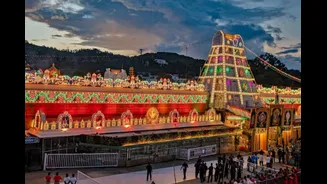
Experience the unique allure of South India, a region celebrated for its lush landscapes, rich cultural heritage, and distinct traditions. Kerala, often dubbed 'God's Own Country,' mesmerizes with its serene backwaters, spice plantations, and distinct Ayurvedic practices. Tamil Nadu, steeped in ancient Dravidian history, captivates with its magnificent temples, classical music, and dance forms. Andhra Pradesh and Telangana, vibrant states in their own right, contribute significantly to India's agricultural output and technological advancements, alongside their unique culinary delights and colorful festivals. This southern expanse offers a profound sensory experience, from the aromatic spice gardens to the intricate temple architecture, showcasing a civilization that has preserved its cultural identity through millennia. The linguistic diversity, coupled with distinct social customs and a rich artistic lineage, paints a picture of a region that is both deeply traditional and progressively modern, offering a captivating glimpse into India's multifaceted cultural heritage. The distinct flavors of South Indian cuisine, renowned for their use of rice, lentils, and an array of spices, further add to the region's unique appeal.
Eastern Essences Explored
Discover the enchanting East of India, a region brimming with natural beauty, rich cultural heritage, and a distinctive spirit. West Bengal, a state known for its intellectual and artistic contributions, celebrates vibrant festivals like Durga Puja and offers iconic culinary experiences, including its famed sweets. Tripura, with its tribal heritage and serene landscapes, presents a unique cultural mosaic. Andhra Pradesh, situated in the eastern part of the Deccan Plateau, is known for its rich history and burgeoning IT sector. Orissa (Odisha) stands out with its ancient temples, traditional art forms, and significant contributions to classical dance and music. This eastern corridor is a tapestry of diverse ethnicities, languages, and traditions, where the rhythm of life is often intertwined with nature and spirituality. The region's geographical diversity, from the Himalayan foothills to the coastal plains, contributes to its unique biodiversity and varied agricultural practices. The confluence of different cultural streams has resulted in a vibrant ethos, reflected in its folk arts, music, and the warm hospitality of its people.
Central India's Heart
Journey into the heartland of India, exploring the central region's historical significance and diverse geographical features. Madhya Pradesh, often called the 'Heart of India,' boasts a rich historical legacy with ancient forts, Buddhist stupas, and wildlife sanctuaries, embodying a confluence of diverse cultures and landscapes. Chhattisgarh, known for its abundant mineral resources and tribal heritage, showcases a unique blend of nature and tradition. Rajasthan, while extending into the west, also has significant central influences, known for its majestic forts and vibrant desert culture. The central Indian states are pivotal in bridging the north and south, offering a rich tapestry of traditions, cuisines, and art forms that are distinctly Indian. Their strategic location has historically made them a melting pot of various cultures, contributing to a unique socio-economic fabric. The region's natural beauty, from the Vindhya and Satpura mountain ranges to fertile plains, supports a diverse ecosystem and significant agricultural output, underscoring its importance in India's development narrative. The rich historical narrative of these states is evident in their numerous archaeological sites and architectural marvels.
Northeastern Frontiers Explored
Venture into the mystical Northeast of India, a region renowned for its breathtaking natural beauty, unique tribal cultures, and serene landscapes. Arunachal Pradesh, the 'Land of the Dawn-Lit Mountains,' captivates with its pristine forests, snow-capped peaks, and diverse indigenous communities, each with distinct customs and traditions. Assam, famous for its tea gardens, wildlife sanctuaries like Kaziranga National Park, and vibrant Bihu festival, offers a rich cultural and ecological experience. Mizoram, the 'Land of the Highlanders,' enchants with its rolling hills, dense forests, and vibrant Mizo culture. These northeastern states, often referred to as the 'Seven Sister States' (excluding Sikkim), represent a fascinating mosaic of ethnicities, languages, and traditions, largely untouched by mainstream influences. Their geographical isolation has fostered unique cultural practices and a strong connection to nature. The region's rich biodiversity and natural resources are significant, contributing to its ecological importance. The distinct culinary traditions, characterized by the use of local herbs and less spice, further add to the region's unique identity. The serene beauty and the harmonious coexistence of diverse communities make the Northeast a truly captivating part of India.
Northern Territories Explored
Explore the northernmost reaches of India, encompassing unique terrains and rich cultural heritage. Jammu and Kashmir, a region of unparalleled natural beauty, is renowned for its snow-capped mountains, serene valleys of Kashmir and Jammu, and a history influenced by various empires. Himachal Pradesh, nestled in the Himalayas, offers stunning mountain vistas, ancient monasteries, and adventure tourism opportunities, with towns like Shimla and Manali being popular destinations. Punjab, as mentioned earlier, is a fertile heartland known for its agricultural prosperity and robust culture. Haryana, strategically located, plays a significant role in the nation's economy and has a strong agrarian base. Uttar Pradesh, a state with a profound historical and spiritual significance, continues to be a major contributor to India's population and cultural landscape. These northern territories, with their diverse geographical features ranging from the high Himalayas to the fertile plains, offer a unique blend of natural splendor, historical depth, and cultural vibrancy, contributing significantly to India's national identity and heritage. The distinct cultural expressions and traditions of each area within these states provide a rich and varied experience for any explorer.
Western Coastal Charms
Discover the allure of India's western coastline, a region where vibrant cultures meet economic dynamism. Gujarat, beyond its entrepreneurial spirit, offers beautiful coastlines and a rich history reflected in its ancient port cities and diverse architectural styles. Maharashtra, with its extensive coastline, is not only a commercial hub but also home to picturesque beaches and historical sea forts, testament to its maritime past. Goa, though a smaller state, is globally recognized for its pristine beaches, Portuguese colonial heritage, and unique Indo-Portuguese culture, attracting tourists year-round. This coastal belt is crucial for India's maritime trade and offers a rich culinary scene influenced by seafood and local spices. The blend of agricultural productivity, industrial growth, and vibrant tourism makes this region a key contributor to India's economy and cultural landscape. The distinct traditions and languages spoken along the coast further enhance its diversity. The interplay of diverse communities and historical influences has shaped a unique way of life that is both cosmopolitan and deeply rooted in tradition, providing a captivating experience for visitors.
Southern Coastal Vibrance
Experience the captivating southern coastline of India, a region characterized by its pristine beaches, rich maritime history, and diverse cultural influences. Tamil Nadu, with its long coastline, is dotted with ancient port towns and sacred temples, offering a glimpse into its historical significance as a center of trade and spirituality. Kerala, renowned for its serene backwaters and palm-fringed beaches, also boasts a rich history of spice trade and a unique coastal culture. Andhra Pradesh, known for its agricultural prowess, also has a significant coastline with bustling fishing communities and historical sites. Telangana, though landlocked, has historical connections to coastal trade routes. These states collectively contribute to India's rich seafood industry, distinctive coastal cuisines, and a vibrant cultural exchange shaped by centuries of maritime interactions. The distinct traditions, languages, and architectural styles along the southern coast reflect a unique blend of indigenous heritage and external influences, making it a region of immense cultural and historical interest. The presence of numerous ancient temples and historical ports along the coast further underscores its significance.
Eastern Coastal Dynamics
Explore the dynamic eastern coast of India, a region defined by its historical trade routes, vibrant cultural traditions, and significant agricultural output. West Bengal, with its extensive coastline along the Bay of Bengal, is known for its rich literary and artistic heritage, as well as its delectable seafood cuisine and iconic Durga Puja celebrations. Orissa (Odisha), a state with a deep spiritual connection, features ancient temples like the Sun Temple at Konark and a rich tradition of classical dance and art forms, alongside its thriving fishing industry. Andhra Pradesh, known for its fertile coastal plains, is a major producer of rice and other agricultural commodities, with a rich history of maritime trade evident in its ancient port cities. These eastern coastal states offer a fascinating blend of historical significance, cultural richness, and economic activity, deeply intertwined with the sea and its bounty. The distinct traditions, languages, and architectural styles along this coast showcase a unique synthesis of indigenous heritage and external influences, contributing to India's diverse cultural mosaic. The region's vibrant festivals and culinary traditions, especially those centered around seafood and rice, further highlight its unique character.