





Fuel Costs Bite
The economic landscape for Kolkata's bustling roadside food vendors, a critical source of daily sustenance for thousands of office workers, is undergoing a noticeable shift. A substantial surge in the
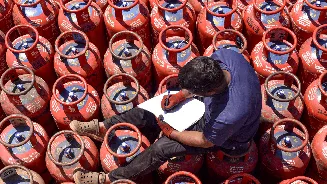
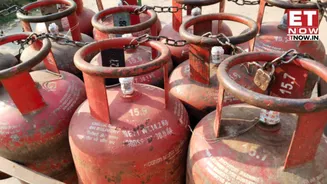
price of commercial LPG cylinders, the primary energy source for these informal eateries, has initiated a chain reaction affecting affordability. These vendors, often found in bustling commercial districts like Camac Street, Chowringhee, and Dalhousie, as well as in the city's suburban areas, depend almost exclusively on LPG. Traditional open flames are generally not permitted in these high-traffic urban settings, making LPG cylinders indispensable for their operations. The increased cost of this essential commodity is forcing proprietors to re-evaluate their pricing strategies, creating a delicate balance between maintaining their businesses and retaining their loyal customer base. The impact is far-reaching, touching the daily routines and budgets of a vast segment of the city's workforce who rely on these accessible and filling meals. This situation highlights the interconnectedness of economic fluctuations and the informal sector, demonstrating how broader market trends can directly influence the daily lives of ordinary citizens.
Vendor Adjustments
Faced with escalating operational expenses, numerous roadside eatery owners have been compelled to implement price adjustments on their most popular dishes. Anath Ghosh, operating an establishment on Camac Street, shared the difficulty of raising prices, acknowledging the diverse clientele and the potential impact on loyal patrons. Consequently, many vendors have opted for modest price hikes, typically ranging from Rs 5 to Rs 10, for staple meals that often include rice paired with fish or egg curry. This measure is an attempt to absorb some of the increased costs while striving to keep their offerings accessible. Chandan Nath, whose stall is a fixture on Chowringhee Road, expressed his reluctance to charge more, stating, "It feels bad to charge more, but we also need to survive." Other vendors are exploring alternative strategies to manage the financial strain. Umakanta Shaoo mentioned a dual approach, stating, "We've raised prices by Rs 5-Rs 10, and have cut some items," indicating a reduction in menu variety or portion sizes to control expenses. Despite these difficult choices, a common thread among these entrepreneurs is their dedication to maintaining the quality of their food, aiming to preserve the trust and satisfaction of their regular customers.
Customer Understanding
While the increased prices of street food are certainly felt by consumers, there appears to be a general sense of understanding and empathy from regular customers towards the vendors' predicament. Deep Dey, a resident of Garia, commented on the inevitability of price hikes, observing, "Given the rise in fuel and ingredient costs, vendors have no choice but to increase prices. They also need to survive." This sentiment is echoed by many who recognize the economic pressures affecting the small business owners. Sambit Guha, a government employee from Kamalgazi, also acknowledged the situation, noting that "Most vendors have increased prices by Rs 5-Rs 10, which is understandable." This understanding stems from an awareness of the broader economic factors at play, including the rising costs of raw materials and transportation, which are impacting not just food vendors but also consumers across various sectors. The resilience of these roadside eateries, coupled with the understanding of their clientele, highlights a shared experience of navigating economic challenges within the community. The continued patronage, despite minor price adjustments, underscores the value placed on the convenient and affordable meals provided by these integral parts of Kolkata's urban fabric.