




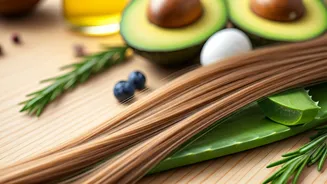
Understanding Hair Loss
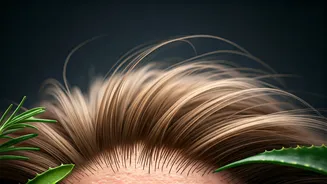
Experiencing a sudden bald spot can be alarming, but it's crucial to understand that female hair loss is complex and can stem from various factors. These include elevated stress levels, hormonal fluctuations,
nutritional deficiencies like low iron, and even hairstyles that put excessive tension on the hair follicles. While home remedies can be powerful allies in stimulating regrowth, they are most effective when considered as part of a broader approach that identifies and addresses the root causes of hair thinning. For recent or mild hair loss, these natural methods offer a promising avenue to revitalize the scalp and encourage new hair growth.
Coconut Oil Scalp Massage
Coconut oil stands as a time-tested remedy, not just a nostalgic suggestion. Its molecular structure allows it to penetrate the hair shaft deeply, significantly reducing protein loss and thus minimizing breakage. The true efficacy, however, lies in the accompanying massage. By gently warming a small amount of oil and massaging it into the affected area for 5 to 10 minutes using circular motions, you enhance blood circulation directly to the hair follicles. This increased blood flow acts as a stimulant, awakening dormant follicles. Aim for 2-3 sessions weekly, leaving the oil in overnight or for at least a few hours before washing for optimal benefits.
The Power of Onion Juice
Despite its potent aroma, onion juice has surged in popularity for its remarkable hair-restoring properties. This is largely due to its high sulfur content, an essential component in building collagen and hair protein. To use, grate or blend an onion and extract its juice. Apply this directly to the bald spot and allow it to remain for 20 to 30 minutes before thoroughly rinsing. The sulfur in onion juice is believed to enhance blood circulation to the scalp and has shown promise in studies for addressing patchy hair loss. To mitigate the strong smell, consider adding a few drops of rosemary or lavender essential oil.
Soothing Scalp with Aloe Vera
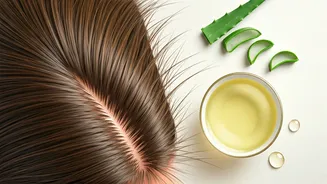
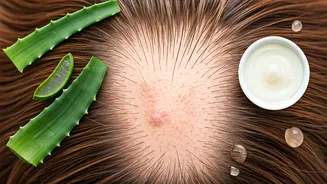
When the scalp is inflamed, dry, or irritated, it can impede hair growth. Aloe vera offers a calming and restorative effect, akin to a spa treatment for your hair follicles. Using fresh aloe vera gel, apply it directly to your scalp and let it sit for 30 to 40 minutes before rinsing with lukewarm water. Aloe vera works by cleansing blocked follicles and reducing inflammation, thereby creating an optimal environment for hair regeneration. This remedy can be conveniently incorporated into your routine 2 to 3 times per week.
Nourishing with Castor Oil
Castor oil is a potent treatment known for its ability to enhance hair thickness, primarily due to its rich concentration of ricinoleic acid. Due to its viscous nature, similar to honey, it's advisable to mix it with a lighter oil like almond or coconut oil for easier application. Massage this blend into the affected areas and leave it overnight. The oil deeply nourishes the hair roots and establishes a protective layer that promotes a healthy scalp environment. Given its density, applying castor oil once or twice a week is usually sufficient to avoid overwhelming the scalp.
Fenugreek Seeds for Strength
Fenugreek seeds, a common kitchen staple, are a powerful, albeit often overlooked, remedy for hair health. They are abundant in nicotinic acid and protein, fundamental elements for hair structure. To prepare, soak fenugreek seeds overnight. The following morning, grind them into a fine paste and apply this mixture to your scalp, leaving it on for about 30 minutes. This traditional method is highly effective in strengthening hair roots and stimulating growth in areas experiencing thinning.
Garlic Oil Stimulation
Similar to onion, garlic is a potent source of sulfur, making it excellent for stimulating hair growth, especially when growth seems to have halted. To create this remedy, crush a few garlic cloves and heat them gently in a small amount of coconut oil. Allow the oil to cool completely, then strain out the garlic pieces. This infused oil can be used as a targeted treatment once a week to invigorate the scalp.
Manage Stress and Diet
While topical treatments are beneficial, managing internal factors like stress and diet is equally vital. High cortisol levels from stress can halt the hair growth cycle, a condition known as telogen effluvium, which is common in women. Prioritizing 7-8 hours of sleep and incorporating stress-reduction techniques like deep breathing or yoga can help regulate your nervous system and, consequently, your hair cycle. Furthermore, hair receives nutrients last, so a balanced diet rich in protein (lentils, paneer), iron (spinach, dates), and healthy fats (nuts, seeds) is essential for robust hair growth. Addressing nutritional deficiencies, particularly iron, is a prerequisite for any topical remedy to be effective.
Practices to Avoid
Equally important as adopting beneficial practices is discontinuing habits that can exacerbate hair loss. When dealing with bald spots, it's crucial to steer clear of hairstyles that exert high tension on the hair roots, such as tight buns, braids, or ponytails. Excessive use of heat styling tools like flat irons should also be minimized. Additionally, refrain from applying harsh chemical treatments, including strong bleaches or perms, until you observe significant regrowth. These adjustments protect your existing hair and scalp, creating a more conducive environment for recovery.
Patience and Professional Advice
Hair regrowth is a gradual process that requires patience and consistency. Visible results, often starting with fine, fuzzy 'baby hairs,' may appear within 4-6 weeks, with more significant filling in of patches typically observed over 2-3 months. Switching remedies frequently can hinder progress; sustained application of a chosen method is key. However, it's important to seek professional advice from a dermatologist if the bald spot enlarges rapidly, is accompanied by pain or itchiness, if you lose hair in large clumps, or if you experience other concerning symptoms like extreme fatigue or irregular periods. These could indicate underlying medical conditions that require expert diagnosis and treatment.