
Rail Corridors Galore
One of the most noteworthy announcements in the Union Budget 2026 was the allocation for high-speed rail projects. A total of seven new high-speed rail corridors have been approved, indicating a significant
push towards modernizing India's transportation infrastructure. Among the prioritized routes are the Mumbai-Pune and Hyderabad-Bengaluru corridors, which are expected to greatly improve connectivity and reduce travel times. This infrastructure push also extends to mountain train projects, with investments planned for Himachal Pradesh, Uttarakhand, and Jammu & Kashmir. These initiatives reflect the government’s strategic vision to enhance both urban and regional connectivity across the country, aiming to facilitate economic growth and ease of travel for citizens. The aim of these projects is not only to provide faster transportation but also to spur development in the regions they connect, attracting investments and boosting local economies. The budget allocates a substantial amount to these projects, illustrating the government's dedication to improving the nation's infrastructure and offering better transportation options for the population.
Defense Budget Boosted
The Union Budget 2026 included a substantial increase in the defense budget, signaling the government's commitment to strengthening national security. The total defense budget was raised to Rs 7.85 lakh crore, with a significant portion, Rs 2.19 lakh crore, earmarked specifically for modernization efforts. This considerable investment reflects the ongoing efforts to enhance the capabilities of the armed forces and upgrade defense infrastructure. The increased allocation will enable the acquisition of advanced weaponry, equipment, and technology, strengthening India's defense preparedness. This move is particularly significant given the current global geopolitical climate and India's need to maintain a strong and well-equipped defense system. The modernization plan is intended to ensure the armed forces are equipped with the latest technology, helping them to meet the challenges of the modern battlefield and protect India's strategic interests. The substantial rise in the defense budget underlines the government's priorities in safeguarding the nation's sovereignty and promoting its strategic interests.
Healthcare Sector Focus
In an effort to improve healthcare accessibility and reduce costs, the Union Budget 2026 included important measures. Notably, the government has waived customs duty on drugs used to treat cancer and rare diseases. This decision is expected to make these essential medicines more affordable for patients, easing the financial burden on those affected by these serious illnesses. This initiative is particularly crucial, as the cost of these medications can often be prohibitive, preventing many patients from accessing life-saving treatments. The move to waive customs duties reflects a compassionate approach, prioritizing the well-being of citizens and their access to necessary medical care. This step underscores the government’s commitment to improving public health and supporting patients in need, thus showcasing a proactive stance in addressing healthcare challenges.
Semiconductor Mission 2.0
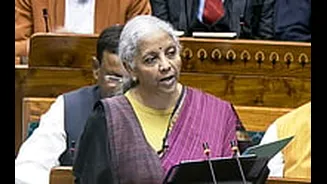
The Union Budget 2026 also featured the launch of the 'India Semiconductor Mission 2.0' by FM Nirmala Sitharaman, highlighting the government’s focus on the technology sector. This initiative demonstrates the government’s dedication to fostering indigenous semiconductor manufacturing capabilities. The goal is to make India a global hub for semiconductor design, manufacturing, and innovation. The semiconductor industry is crucial for various sectors, including electronics, telecommunications, and automotive. This initiative is intended to attract investment, generate jobs, and boost economic growth in the country. The focus on this area reveals the government's forward-looking strategy, aiming to establish India as a major player in the worldwide technology landscape. The launch of the mission suggests a strategic push towards self-reliance in the semiconductor domain, reducing dependence on imports and promoting technological advancement within India.
Tax Regime Insights
Regarding income tax, the budget information included details about the new tax regime for the fiscal year 2026-27. Although the specifics were not deeply elaborated, the details provided insights into the tax rates and the applicable slabs. Additionally, information was given regarding the Section 87A rebate limit within the new tax regime for the fiscal year 2026-27. This information helped taxpayers understand the potential financial implications of the budget and plan accordingly. The budget’s tax-related aspects are vital because they directly impact the financial well-being of individuals and businesses. The announcement and explanation of the tax regime and its associated rebates is a critical component of the overall budget, aimed at ensuring transparency and enabling citizens to manage their finances effectively based on the new guidelines.