


Arabic Mehndi Elegance
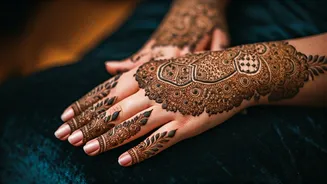
Arabic mehndi patterns are a globally celebrated trend, distinguished by their expansive floral elements, strategic use of empty spaces, and graceful, winding vine motifs. These designs often appear lighter
and are quicker to apply, making them an excellent choice for individuals seeking a contemporary and understated aesthetic. A popular approach involves initiating with diagonal floral shapes and extending them with flowing trails and vines, which complement traditional attire beautifully. The inherent simplicity and artistic flow of Arabic mehndi make it a versatile choice for various occasions, offering a sophisticated yet accessible way to adorn the hands for festive celebrations like Eid al-Fitr. The open design ensures the skin is visible, creating a delicate and refined appearance that appeals to modern sensibilities while retaining a classic charm.
Intricate Indian Designs
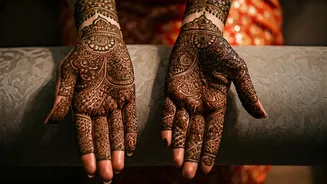
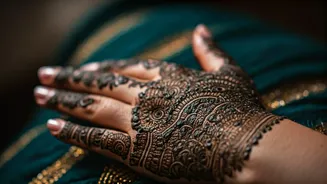
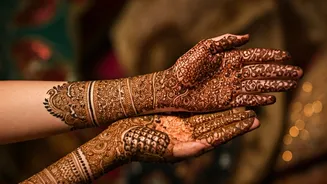
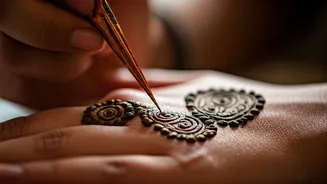
In contrast to the airy Arabic style, Indian mehndi is characterized by its dense and highly detailed artistry, deeply embedded in cultural traditions. These designs typically involve comprehensive coverage of the hand, incorporating elements such as intricate jaali (lattice) work, elegant paisleys, majestic peacocks, and circular mandala patterns. This maximalist approach is ideal for those who appreciate a fuller and more elaborate mehndi application. It is particularly favored by brides for traditional ceremonies, as the rich detailing creates a stunning visual impact in photographs. The complexity and sheer volume of Indian mehndi designs signify tradition, auspiciousness, and a celebration of intricate craftsmanship, making it a cornerstone of festive adornment.
The Moon Motif
The crescent moon motif holds profound symbolic meaning for Eid al-Fitr, representing the new moon that marks the end of Ramadan and the beginning of the joyous celebration. This iconic symbol can be beautifully translated into mehndi designs, ranging from elegant floral chandeliers suspended from a moon to celestial scenes featuring moons and delicate star detailing. For those desiring a simpler yet impactful design, a solitary half-moon shape positioned at the center of the palm or on the back of the hand can be remarkably striking. This minimalist yet meaningful design, as seen in celebrity looks, offers a subtle nod to the festival's spirit, proving that impactful artistry doesn't always require extensive detail. It’s a sophisticated way to connect with the essence of Eid.
Indo-Arabic Fusion Style
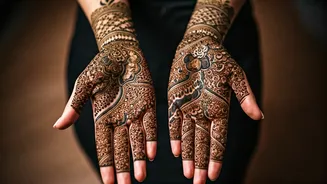
A burgeoning trend in contemporary mehndi art is the Indo-Arabic fusion, which masterfully blends the bold aesthetics of Arabic designs with the intricate detailing characteristic of Indian styles. This approach allows for a harmonious balance, often featuring a central mandala pattern adorned with flowing Arabic vines and petal-like fillers along the sides. The result is a design that maintains a clean structure while incorporating the richness of traditional elements. This fusion offers the best of both worlds, providing a visually pleasing and aesthetically balanced look that is both modern and rooted in tradition. It’s an ideal choice for those seeking a design that is both striking and thoughtfully composed, demonstrating a creative synthesis of diverse mehndi influences.
Timeless Floral Patterns
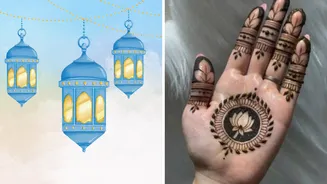
Floral mehndi patterns stand as a testament to enduring beauty and are universally adored for their grace and versatility. These designs can manifest in various forms, from delicate rose clusters and lush leafy vines forming elaborate bouquet arrangements to simpler, elegant placements. A chic and sophisticated option for the center of the palm is a beautifully rendered lotus flower, symbolizing purity, new beginnings, and spiritual growth, aligning perfectly with the celebratory spirit of Eid. Flowers, in general, evoke feelings of joy and renewal, making them a fitting choice for a festival that signifies a fresh start and abundance. The timeless appeal of floral motifs ensures they remain a popular and cherished element in mehndi artistry.
Significance of Mehndi
Mehndi, or henna, carries profound cultural and spiritual significance, particularly during Eid al-Fitr. Traditionally applied on 'Chaand Raat' (the night before Eid), it symbolizes blessings, joyous celebration, and the adoration of feminine beauty. In South Asian traditions, the intensity of the henna stain is often linked to the depth of happiness, love, and emotional connection. Beyond its ritualistic importance, mehndi has evolved into a significant fashion statement by 2026. It serves to amplify one's festive attire and complements the overall styling for Eid, making it an integral part of the celebration that blends tradition with contemporary self-expression and enhances the festive aura.