





Proficiency Mandate Ignites Fury
A new directive from the Maharashtra government, making the ability to read and write Marathi a compulsory requirement for auto and taxi driver licenses, has ignited widespread opposition. This rule, set
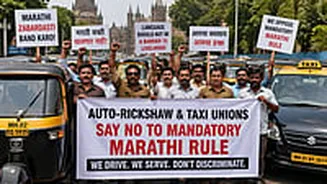
to be enforced from May 1 across 59 transport offices, has prompted significant concern among existing drivers and their unions. The Mumbai Autorickshawmen's Union, a major representative body, has declared a statewide demonstration beginning May 4 if the government does not retract this order. Union leaders are particularly vocal about what they perceive as unfair targeting of traditional auto and kaali-peeli taxi operators, especially when compared to other transport services.
Massive Protest Planned
The impending statewide agitation is projected to involve a staggering 15 lakh auto drivers throughout Maharashtra, with approximately 5 lakh drivers in the Mumbai Metropolitan Region (MMR) expected to participate. Daily demonstrations are being planned if the government remains resolute in its decision. A memorandum outlining the unions' demands for the cancellation of the Marathi proficiency rule is scheduled to be submitted to the transport minister on April 28, prior to the rule's official commencement. The unions have warned that if their plea is disregarded, the protests will intensify, taking place daily outside key transport hubs like railway stations, bus depots, and prominent auto stands, with the intention of crippling services until their demands are met.
Unions Cry Unfairness
Union leaders argue that the new Marathi proficiency requirement is discriminatory and overlooks existing regulations and practicalities. They contend that current drivers already possess a functional understanding of Marathi, a prerequisite for obtaining their badges when they first entered the profession. A significant point of contention is the alleged lack of stringent verification and regulation for aggregator cab drivers and the continued operation of 'illegal' bike taxis, particularly those running on petrol. These operators, according to the unions, are not subjected to the same level of scrutiny or proficiency mandates. In contrast, traditional auto and kaali-peeli taxi drivers, who have diligently followed all regulatory processes, including permit fees, police verification, and domicile compliance, now face the prospect of license cancellation for failing to meet this new linguistic hurdle.
Economic and Service Impact
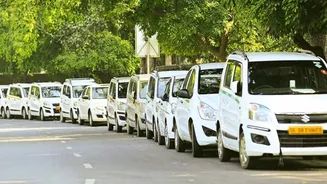
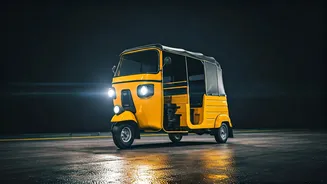
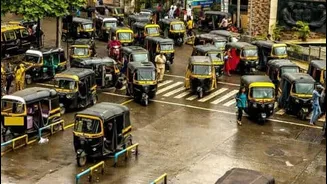
The scale of the proposed strike underscores the immense dependence on the auto and taxi sector for livelihoods and public mobility. Mumbai alone operates around 2.8 lakh auto-rickshaws, with the broader MMR region accounting for nearly 5 lakh. Across the entire state of Maharashtra, approximately 15 lakh permits have been issued, signifying that this industry directly supports an equivalent number of families. A sustained protest could lead to a severe shortage of auto and taxi services, significantly impacting daily commuters and the overall transportation network in urban and semi-urban areas of the state. The unions are highlighting that these drivers, despite adhering to RTO-approved fares and regulations, are now facing penalties and the threat of losing their livelihoods.