

Lanolin: A Sheep's Gift
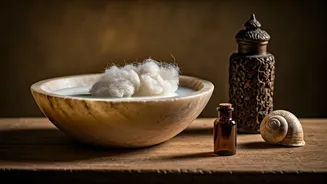
Long before modern moisturisers, ancient Romans ingeniously utilized lanolin, a substance extracted from sheep's wool, as a potent overnight skin treatment. While its aroma might not have been its strongest
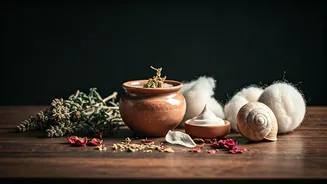
suit, lanolin proved incredibly effective in fortifying the skin's natural barrier, ensuring deep hydration and leaving the skin feeling remarkably soft, supple, and well-protected. This remarkable ingredient's moisturizing and protective qualities are still recognized today, finding its way into contemporary lip balms and intensive skin creams, a testament to its enduring efficacy.
Cleopatra's Milk Bath
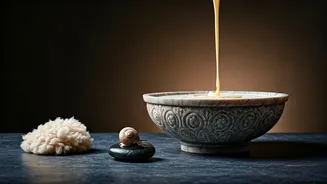
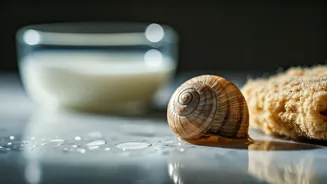
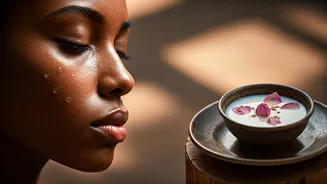
The legendary Egyptian queen Cleopatra was famed for her luxurious bathing rituals, notably immersing herself in fresh milk instead of plain water. This indulgent practice was believed to be key to maintaining her famously smooth, supple, and luminous complexion. Milk's secret lies in its natural lactic acid content, a gentle exfoliant that effectively sloughs away dead skin cells. By regularly shedding these dull outer layers, Cleopatra would have revealed fresher, more vibrant skin beneath, contributing to a radiant and youthful glow over time.
Snail Mucus Marvels
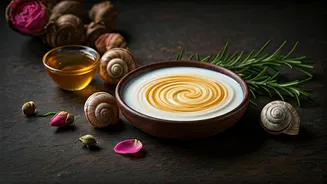
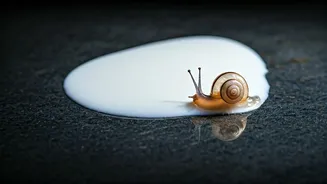
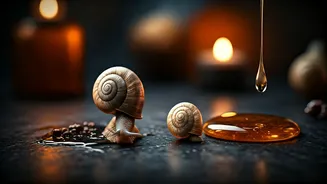
The current global fascination with snail mucin in skincare serums is not a new phenomenon; ancient civilizations also recognized its potent benefits. However, their application was far more direct: women would literally allow snails to traverse their faces. This viscous mucus is rich in beneficial components like peptides, antioxidants, and hyaluronic acid. These elements work synergistically to repair the skin's barrier, deliver intense moisture, and offer significant anti-aging advantages, making it a truly ancient multitasker for skin rejuvenation.
Honey's Healing Touch
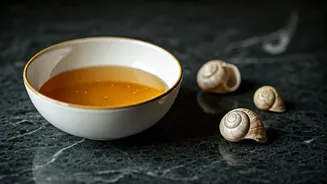
Honey, with a history of use spanning over 15,000 years, was a staple in ancient beauty routines, applied directly to the skin. It was celebrated for its exceptional moisturizing, healing, and antibacterial properties, contributing to skin that was calmer, clearer, and consistently hydrated. Beyond cosmetic applications, ancient cultures also applied honey to wounds. Although its stickiness could make removal challenging, its powerful antimicrobial qualities made it an unparalleled agent for wound healing, showcasing its dual role in ancient wellness.
Animal Residue Rituals
Ancient skincare was not exclusively about pleasant-smelling ingredients; some cultures embraced more unconventional, animal-derived substances, including excrement, for their beauty treatments. Practices involving crocodile and cow dung, alongside goat and camel milk, were employed for their nourishing and exfoliating potential. Fortunately, the ingredients derived from animals that have predominantly survived into modern beauty practices are honey and milk, offering a less extreme, yet still effective, approach to skin health and care.